

Connecticut may be one of the smallest U.S. states, but it offers an unexpectedly rich mix of coastal towns, forested hills, collegiate cities and classic New England villages. From sailing harbors along Long Island Sound to quiet lake country and revitalized arts districts, the state works well as both a standalone trip and an add-on to New York or Boston. This guide covers the essentials you should know before you go, from when to visit and how to get around to the experiences that define a Connecticut journey.
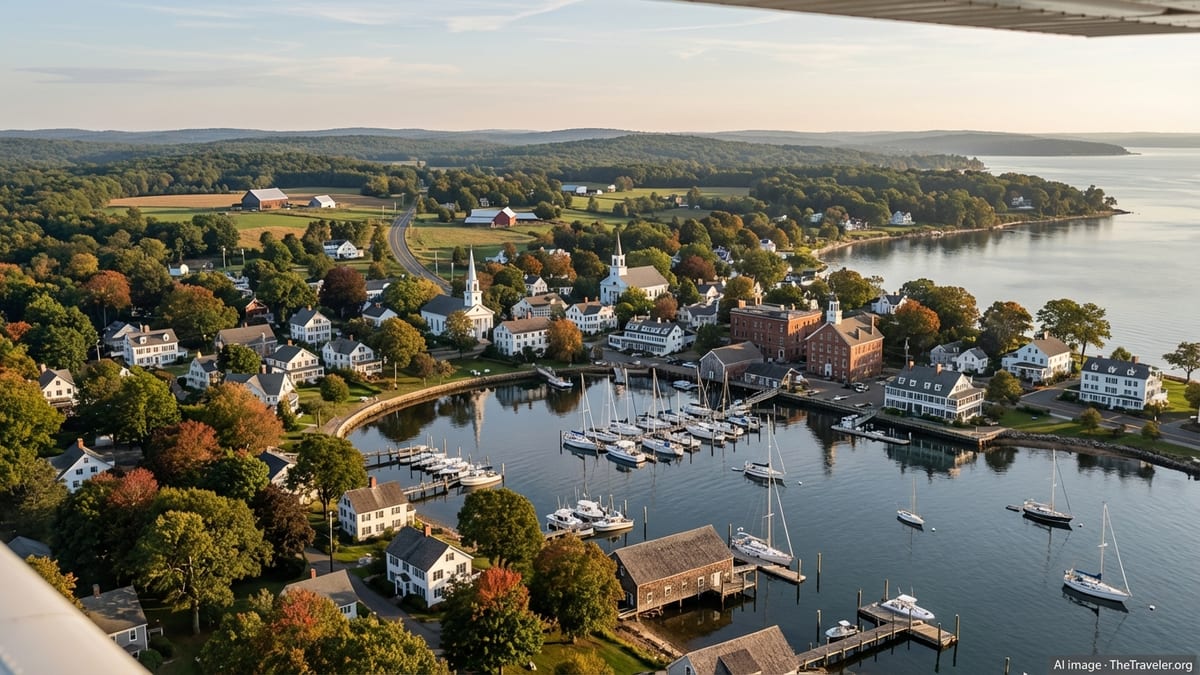
Why Visit Connecticut
Connecticut delivers a compact slice of New England, with Atlantic shoreline, historic town greens, covered bridges and rolling countryside all within a few hours’ drive. Travelers come for fall foliage, summer beach escapes, small-city culture in places like New Haven and Hartford, and the slower pace found in the state’s rural northwest and eastern corners. Distances are short, which makes it easy to mix museums and dining with hiking, boating or scenic drives in a single day.
The state appeals to a wide range of visitors. Food travelers gravitate to New Haven’s famous pizza and a growing farm-to-table scene. History enthusiasts explore colonial seaports, Gilded Age estates and industrial heritage sites. Families find aquariums, children’s museums and shoreline attractions that are manageable in a weekend. For many visitors, the biggest surprise is how quickly you can trade urban energy for quiet lakes, vineyards and wooded trails.
Connecticut’s location between New York City and Boston also makes it a strategic base. Good rail, highway and air connections mean you can arrive without a car, then decide whether to rent one or rely on trains and local transport. Because the state is relatively affluent, services and infrastructure are generally strong, though prices can be high in popular coastal and commuter communities.
While Connecticut does not have national parks or major theme parks, its appeal lies in more subtle pleasures: strolling historic districts, discovering small galleries, lingering over seafood on a terrace, or hiking to a hilltop view after a short drive from your hotel. It is a state best appreciated at an unhurried pace.
Best Time to Visit and Weather Considerations
Connecticut has four distinct seasons, and the right time to visit depends on what you want to do. Late spring from roughly May into early June usually brings mild temperatures and blooming gardens, with fewer crowds than peak summer. This is an appealing time for city breaks in Hartford and New Haven, visits to college campuses, and early-season hikes in the interior hills.
Summer, typically from late June through August, is prime beach and boating season along Long Island Sound. Coastal towns can be busy and lodging prices higher, especially on weekends. Inland, lakes and state parks are popular for camping, kayaking and swimming. Humidity can be noticeable and occasional heat waves are possible, so air-conditioned accommodation is recommended if you are sensitive to heat.
Autumn is when many travelers consider Connecticut at its best. Foliage usually peaks sometime between early October and late October, varying by year and region. The northwest hills color first, followed by central and coastal areas. Weekends during peak color can be busy on well-known scenic routes, but quieter roads and lesser-known state forests offer gentler experiences. Daytime temperatures are often comfortable and evenings crisp, ideal for hiking and outdoor dining where patios are equipped with heaters.
Winters can bring cold temperatures, snow and occasional coastal storms or inland blizzards. Conditions change from year to year, and recent winters have seen a mix of snow events and milder spells. If you plan to visit between December and March, be prepared for possible travel disruptions on roads and rail, and follow local weather advisories. On the plus side, winter is quieter at many attractions, and you can experience small towns decorated for the holidays, indoor museums without crowds, and skiing or snowshoeing in the northwest hills when conditions allow.
Getting There and Getting Around
For air travelers, Bradley International Airport near Hartford is the primary gateway to Connecticut. Located in Windsor Locks, roughly between Hartford and Springfield, it serves domestic routes and some international connections and is the second-largest airport in New England by passenger volume. A dedicated connector highway links the terminals with Interstate 91, making rental car pick-up and onward drives straightforward. The terminal offers typical traveler services such as dining, shops, complimentary Wi-Fi, and accessibility features designed to support passengers with disabilities.
Many visitors also arrive via nearby major airports. New York City’s airports and Boston Logan are within a few hours’ drive or train ride of much of Connecticut. If you are planning a broader New England itinerary, it can be practical to fly into one of those larger hubs and then continue by rental car or rail into the state.
Rail connections are a strong point. Amtrak trains run through multiple Connecticut cities on the Northeast Corridor and inland routes, linking New London, New Haven, Hartford and others with New York, Boston and beyond. The New Haven Line, part of the Metro-North system, provides frequent commuter-style service between New Haven and New York City, with several branches serving additional Connecticut towns. CTrail services such as the Hartford Line and Shore Line East expand options between inland and coastal communities, and many stations connect with local buses or shuttles.
Within the state, driving offers the greatest flexibility, particularly if you want to explore smaller towns, state parks and rural regions. Interstates 95, 84 and 91 form the main corridors, while secondary highways wind through scenic countryside. Traffic can be heavy along I-95, especially during rush hours and summer weekends, so allow extra time on coastal routes. Local and regional bus networks operate in cities and larger towns, and rideshare services are common in more populated areas, though availability may drop in rural zones. In winter, be ready for snow or ice conditions on roads and consider travel insurance if your plans are time-sensitive.
Key Regions and Highlights
First-time visitors often focus on a few distinct regions, each with its own character. Along Long Island Sound, coastal towns blend maritime heritage with contemporary dining and arts. Places such as Mystic, New London and nearby seaside villages appeal to families and history enthusiasts with working harbors, historic ships, and classic waterfront streets. Beaches here tend to be gentler than on the open Atlantic, making them suitable for children and casual swimmers.
New Haven and the central coast form another highlight, anchored by Yale University. The compact downtown offers architecture ranging from collegiate Gothic to sleek modern galleries, plus a vibrant restaurant scene that punches above the city’s size. Pizza culture is particularly strong, and visitors often schedule entire evenings around sampling different local pizzerias. Museums, music venues and theater productions provide year-round indoor entertainment.
Inland, the Connecticut River Valley and Hartford area showcase the state’s historic role in politics, literature and industry. The capital city combines major museums, riverfront parks and nearby historic homes, while smaller towns along the river feature well-preserved main streets and classic New England churches and greens. This area works well for travelers interested in American history and for those using Hartford as a base for wider regional exploration.
To the west and northwest, the Litchfield Hills and adjacent countryside shift the mood to rural Connecticut. Here you find forested ridges, quiet lakes, stone walls and old farmsteads. Scenic drives connect villages with antique shops, farm stands and country inns. Hikers can access a network of Blue-Blazed trails, including routes that climb to overlooks on mountains such as Mohawk, and pass waterfalls, caves and other natural features. In autumn, this region draws foliage seekers looking for winding backroads and hilltop views.
Outdoor Experiences and Nature
Despite its modest size, Connecticut offers a varied outdoor landscape for hiking, paddling and casual nature walks. State parks and forests are spread across the map, giving visitors options near most major towns. Trails range from easy shoreline paths and riverfront promenades to more rugged routes in the northwest hills. Sections of long-distance paths, such as the Mattatuck Trail in western Connecticut, reward hikers with ledges, streams, mixed hardwood forests and, in some stretches, views across valleys and reservoirs.
The coastline along Long Island Sound supports beaches, salt marshes and protected coves that attract birdlife, especially during migration seasons. Boardwalks and short loop trails in some coastal preserves make it simple for travelers of varying abilities to experience these environments. Kayaking and paddleboarding are popular in sheltered bays and tidal rivers when conditions are calm, and several outfitters offer rentals in-season. Always check local weather and tide information, particularly if you are not familiar with coastal currents.
Lakes and rivers play a major role inland. Warm months bring opportunities for swimming at designated state park beaches, canoeing on wide stretches of the Connecticut River, and fishing on stocked streams and reservoirs. In winter, when temperatures are consistently below freezing, some areas support snowshoeing, cross-country skiing and occasionally ice fishing, though conditions vary by year and safety should always come first. It is wise to consult local park authorities before venturing onto frozen surfaces or remote trails.
Wildlife is present even close to urban centers. White-tailed deer, foxes and a variety of songbirds are common; black bears and coyotes are increasingly reported in some wooded and suburban areas, especially where development meets forest. While encounters are usually brief and uneventful, basic precautions such as securing food, not feeding wildlife, and keeping a respectful distance help protect both animals and visitors.
Cities, Culture and Culinary Highlights
Connecticut’s cities are relatively small by national standards, but several punch above their weight in arts and culture. New Haven stands out for its theaters, galleries and music venues, many connected in some way to Yale University. Public museums and campus collections showcase everything from classical antiquities to contemporary installations. Street-level life centers on cafés, independent bookstores and a celebrated array of pizzerias and casual restaurants.
Hartford, the state capital, has long literary and political associations. Travelers can explore museum campuses devoted to art and history, look into the city’s industrial past, or walk riverfront parks that host seasonal festivals and outdoor performances. Smaller cities such as Stamford, Norwalk and New Britain contribute their own mix of galleries, local history museums and multicultural dining scenes that reflect Connecticut’s diverse communities.
Across the state, you will find a blend of old and new. Industrial-era mills have been converted into lofts, breweries or studio spaces. Town greens remain community focal points, often lined with churches, town halls and brick storefronts that now house bakeries, boutiques and farm-to-table restaurants. A growing interest in local agriculture has supported farmers markets, vineyards and orchards that invite visitors for tastings and seasonal pick-your-own experiences.
On the culinary side, the state is closely associated with certain regional specialties. New Haven-style pizza, often baked in coal-fired ovens, draws dedicated followers for its thin, charred crusts. Along the shoreline, lobster rolls, clam shacks and waterfront seafood houses are common, especially in summer. In rural areas, you may encounter maple products, small-batch cheeses and baked goods rooted in longstanding family recipes. Reservations can be helpful at popular restaurants on weekend evenings and during peak foliage or beach seasons.
Practical Tips, Safety and Budgeting
Connecticut is generally considered a safe destination by U.S. standards, though visitors should follow the same common-sense habits they would in any urban or suburban environment. In larger cities, stay aware of your surroundings, keep valuables out of sight in parked cars, and favor well-lit, busier streets at night. In rural areas, the main concerns tend to be road conditions and wildlife, particularly when driving at dusk or after dark when animals may cross local roads.
Weather is one of the key practical considerations. Coastal storms, heavy rain and snow can affect travel at certain times of year, particularly in late fall and winter. Local authorities occasionally advise limiting nonessential travel during severe events, and rail or bus networks may adjust schedules. If your itinerary involves tight connections, it is wise to leave buffer time and monitor regional news and transit updates, especially between November and March. During summer, heat, sun exposure and occasional thunderstorms are the primary considerations, so pack accordingly.
In terms of costs, Connecticut can feel relatively expensive compared with some other U.S. states, particularly in areas close to New York City and in upscale coastal or countryside towns. Lodging and dining prices vary widely, but you can often keep budgets in check by staying slightly inland, traveling midweek, or focusing on smaller towns rather than the most fashionable enclaves. Public parks, historic districts and many cultural events offer low-cost or free experiences, helping balance higher accommodation or restaurant bills.
Tipping practices follow general U.S. norms. It is customary to tip restaurant servers, bartenders, taxi and rideshare drivers, and hotel staff such as housekeepers and bell staff. Payment by credit or debit card is widely accepted, though it is still useful to carry some cash for small purchases, parking meters in certain towns, or farmers markets that may not yet be fully digital. Mobile payment options are increasingly common in coffee shops and urban venues.
The Takeaway
Connecticut rewards travelers who enjoy a mix of low-key exploration, cultural depth and accessible nature rather than blockbuster attractions. Its shoreline towns, small cities and wooded hills feel interconnected yet distinct, allowing you to shape a trip around whichever mix of museums, food, hikes or historic sites appeals most. Good transportation links and manageable distances make the state straightforward to navigate, whether you arrive by plane, train or car.
Planning with the seasons in mind is the best way to make the most of your visit. Spring and fall favor walking tours and foliage drives; summer focuses attention on beaches, boats and outdoor dining; winter highlights museums, cozy inns and, when conditions allow, snow-covered trails. By pairing realistic expectations about weather, transportation and costs with a flexible itinerary, you can experience the breadth of what this compact New England state offers.
Whether you base yourself in a lively small city, a coastal village or an inland town, Connecticut makes it easy to slow down without ever feeling disconnected. Time spent here tends to center on simple pleasures: a harbor view at sunset, a slice of pizza in a crowded local institution, a quiet trail to an overlook, or a stroll through streets lined with centuries of architecture. For many visitors, those moments become the lasting memories that define a Connecticut journey.
FAQ
Q1. Do I need a car to explore Connecticut?
It depends on your plans. You can visit major cities and some coastal towns using trains and local transit, but a car is very helpful for rural areas, state parks and smaller villages.
Q2. How many days should I spend in Connecticut?
A long weekend is enough for a coastal town or single city, while a week allows you to combine shoreline, countryside and at least one city for a more complete experience.
Q3. Is Connecticut safe for solo travelers?
In general, yes. The state’s cities and towns are accustomed to visitors, and standard urban precautions such as staying aware at night and securing valuables are usually sufficient.
Q4. When is fall foliage at its best in Connecticut?
Peak color usually arrives sometime in October, often earlier in the northwest hills and slightly later near the coast, but exact timing varies each year with weather patterns.
Q5. Can I visit Connecticut as a day trip from New York City or Boston?
Yes. Frequent trains and interstate highways make it realistic to visit certain cities and coastal towns as day trips, though staying overnight offers a more relaxed experience.
Q6. What should I pack for a trip to Connecticut?
Pack layers, comfortable walking shoes and weather-appropriate outerwear. Conditions can change quickly, so a light rain jacket and an extra warm layer are useful year-round.
Q7. Are Connecticut’s beaches open to the public?
Many beaches are public or have public access, though some are managed by towns and may charge parking or day-use fees, especially in summer. Check local rules before you go.
Q8. Is Connecticut family-friendly?
Yes. The state offers aquariums, children’s museums, parks, beaches and short driving distances between attractions, which can make travel easier for families with younger children.
Q9. How expensive is Connecticut compared with other U.S. states?
Overall costs can be higher than the national average, particularly for lodging and dining in coastal and commuter areas, but more moderate prices are found inland and off-peak.
Q10. Do I need travel insurance for a Connecticut trip?
Travel insurance is not required but can be useful, especially if visiting in winter or during storm-prone seasons when weather could disrupt flights, trains or driving plans.