

More news on this day
Contour Airlines is increasing its spring flight schedule between Denver and Moab, tightening the air link between Colorado’s capital and Utah’s red-rock country just as the peak travel season approaches and offering a timely boost to the state’s tourism economy.
Extra Spring Capacity on a Growing Route
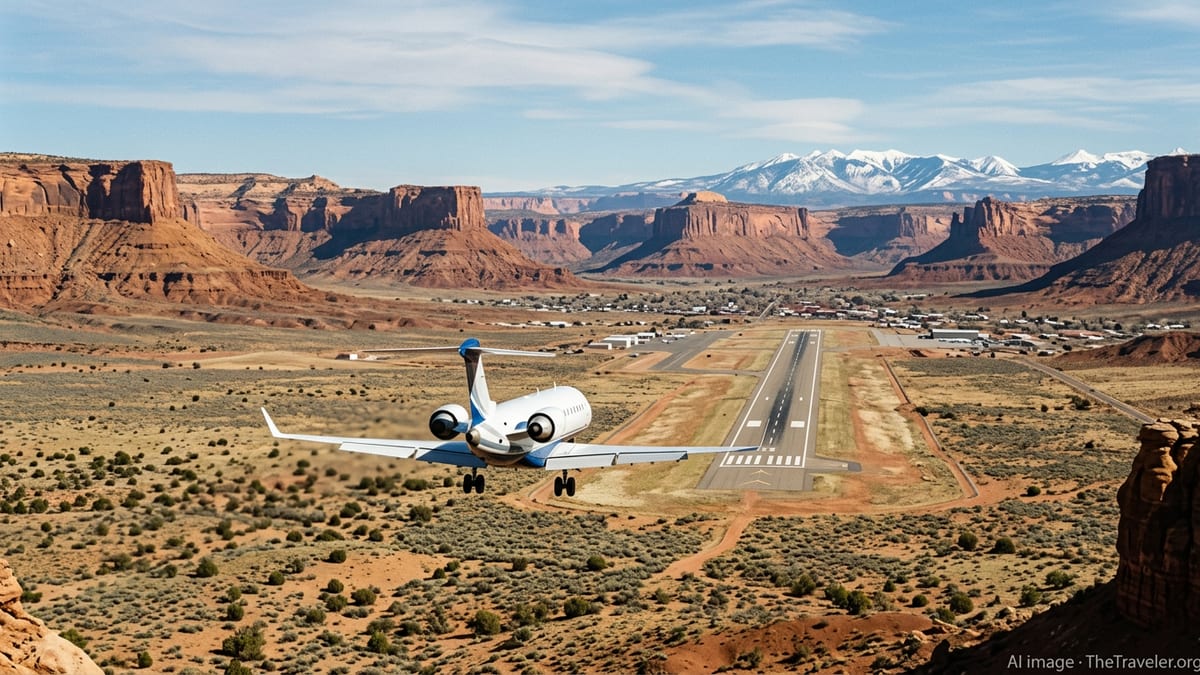
Contour Airlines announced it will expand service at Canyonlands Regional Airport in Moab for April and May 2026, adding capacity on the increasingly popular Denver to Moab corridor. The move comes as outdoor travel demand rises into the prime spring season in southeastern Utah, when trails are dry, temperatures are milder and visitor numbers typically climb.
The carrier said the adjustments will bring its schedule at Moab to as many as 19 weekly flights split between Denver and Phoenix, including up to 12 weekly frequencies on the Denver route. The added service builds on Contour’s entry into Denver last year and follows the ramp-up of daily Denver flights from Moab under the Essential Air Service program.
Contour operates the Denver to Moab route with 30-seat Embraer regional jets, positioning the offering as a step up from typical small-community service. The aircraft configuration allows for generous legroom and a quieter cabin compared with many older regional planes that previously served Canyonlands Regional Airport.
The expanded schedule is targeted squarely at the busy spring window, when road trips and national park visits spike across the Colorado Plateau. By concentrating new capacity in April and May, the airline aims to capture both early-season adventurers and visitors looking to avoid the heat and crowds of mid-summer.
What the New Flights Mean for Travelers
For passengers, the additional Denver to Moab frequencies translate into more departure time options and better flexibility for weekend and short-break trips. Travelers who previously had to plan around a single daily flight or drive the five to six hours between the two destinations will now see more options to fine-tune arrival and departure days.
Shorter travel times are a key selling point. Typical Contour flights between Denver International Airport and Canyonlands Regional Airport are scheduled at around one and a half hours, offering a quick hop from a major hub into a remote region that historically has been more reliant on long drives. The airline is banking on time-conscious visitors, including international travelers connecting through Denver, who want to maximize their days on the trail rather than on the highway.
Onboard, Contour is emphasizing a product pitch that stands out in the regional market: one free checked bag, one free carry-on, extra legroom seating throughout the cabin, and complimentary snacks and drinks. For travelers hauling hiking gear, camera equipment or bikes, the baggage allowance and relatively spacious cabin could prove a meaningful advantage.
The denser spring schedule is also expected to smooth connections in Denver. With more frequencies between Denver and Moab, travelers can line up same-day links with larger carriers serving domestic and international destinations, reducing the risk of overnight layovers and making Moab more viable as part of broader western U.S. itineraries.
Supercharging Utah’s Red-Rock Tourism Circuit
Tourism officials in Utah have been closely watching air access to the state’s national parks and surrounding gateway towns amid fluctuating international visitation and shifting domestic travel patterns. Moab, which anchors access to Arches and Canyonlands national parks as well as a sprawling network of public lands, remains one of the state’s marquee outdoor destinations.
By strengthening the air bridge between Denver and Moab, Contour’s expanded spring schedule dovetails with efforts to position southeastern Utah as an easy add-on to Colorado vacations. Visitors flying into Denver for city stays, ski trips or broader Rocky Mountain tours can now tag on a quick side trip to Moab without committing to a long highway drive over mountain passes.
The move also comes at a time when Moab businesses have been navigating softer shoulder-season demand and concerns about a dip in some international markets. Additional non-stop capacity from a major connecting hub is expected to help fill hotel rooms, restaurant tables and guiding slots during a critical revenue period ahead of the summer heat.
State and local tourism planners have been prioritizing more sustainable, higher-value visitation rather than simply higher headcounts. More frequent regional jet service allows them to market extended stays, midweek visits and off-peak arrivals, potentially spreading visitation more evenly across the calendar while still supporting local jobs.
Impacts for Moab, Denver and Local Communities
For Moab and Grand County, improved air service is more than a convenience for visitors. The Denver route offers residents faster access to specialized medical care, business connections and family travel, while also making it easier for seasonal workers and event participants to reach the region during spring’s busy calendar of races and festivals.
At Denver International Airport, the added service contributes to the airport’s strategy of deepening its network into the Mountain West and Intermountain West with smaller regional links. Contour’s operations to Moab and Vernal extend Denver’s reach into rural Utah, reinforcing its role as the primary jumping-off point for many visitors heading into the Colorado Plateau.
Local officials in Moab have also tied air access to transportation planning on the ground. More visitors arriving by air may lean on shuttle services, bike rentals and guided tours rather than rental cars, which could ease some parking and traffic pressure in the compact desert town during peak weekends. However, the town will continue to face the balancing act of welcoming new visitors while protecting sensitive desert ecosystems and managing congestion at trailheads and park entrances.
As Contour’s spring schedule goes into effect, tourism businesses will be watching closely to see whether the additional seats from Denver translate into higher occupancy rates and longer stays or primarily shift demand away from drive-market visitors. Early booking trends around key spring holidays and school breaks will offer one of the first indicators.
How to Plan Around the New Schedule
Travel advisors and frequent visitors recommend that travelers planning to use the Denver to Moab route build in prudent connection times on either end of the journey. Denver International is one of the nation’s busiest airports, and passengers connecting from larger carriers to Contour’s regional jets should account for potential security and terminal transfer times, especially during spring break peaks.
Spring weather in the Rockies and high desert can also be changeable, with late-season storms possible at higher elevations and occasional wind events in canyon country. While Contour’s jet service offers a modern and reliable option, travelers are advised to keep an eye on forecasts and allow some flexibility in their itineraries, particularly if their plans hinge on critical connections or guided activities in Moab.
For budget-minded travelers, the increased frequency may create more fare variation over the course of the week, opening opportunities to find lower prices on off-peak days or flights outside the most popular weekend windows. Industry observers expect that as the schedule matures, pricing patterns will become clearer and could further influence when visitors choose to travel.
With spring on the horizon and more seats in the market, the enhanced Denver to Moab air link underscores how regional airlines are reshaping access to some of the American West’s most iconic landscapes. For Utah, the coming months will show how effectively this additional connectivity can be converted into sustainable tourism growth.