

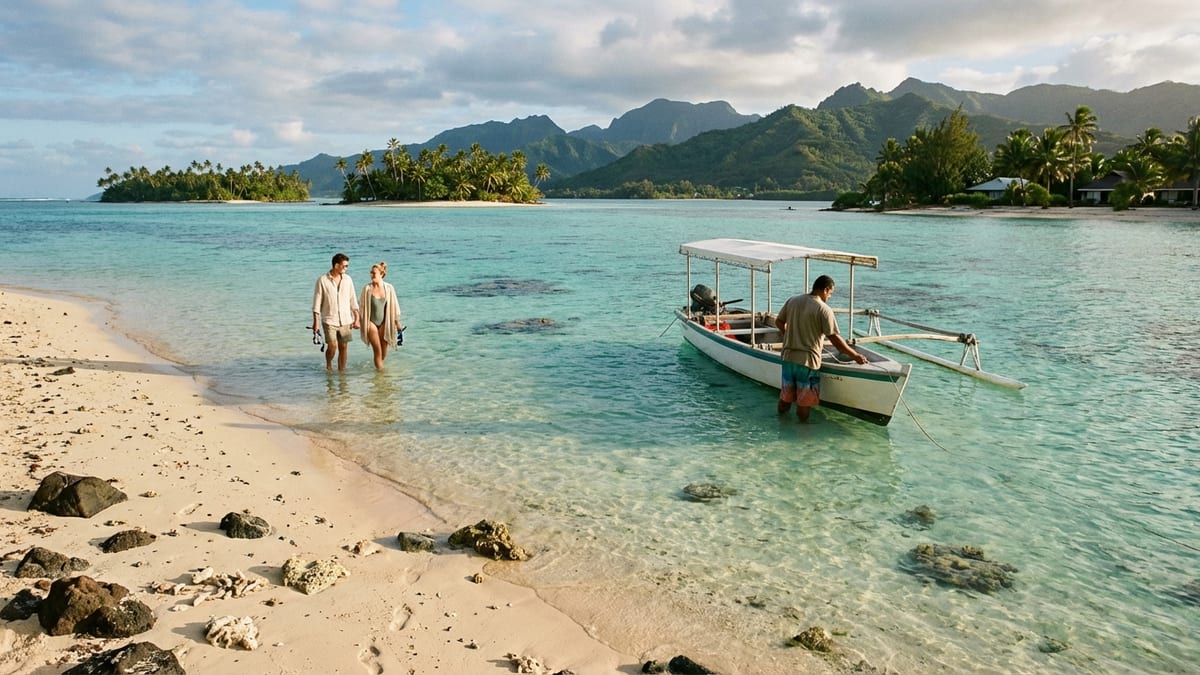
The Cook Islands offer that classic South Pacific dream of palm-fringed lagoons, coral reefs and a pace of life that still moves to the rhythm of the tides. Spread across a vast stretch of ocean between Hawaii and New Zealand, the nation’s 15 islands combine easygoing Polynesian culture with modern comforts, and in recent years they have shifted from recovery to record tourism without losing their small-island charm. This guide brings together the latest on where to go, what to see and how to plan a trip that balances relaxation with genuine local experiences.
Understanding the Cook Islands Today
The Cook Islands sit in the heart of the Pacific Ocean, roughly halfway between New Zealand and Hawaii. The islands are self-governing in free association with New Zealand, use the New Zealand dollar and share close transport and political links with their southern neighbor. Tourism is the backbone of the economy, accounting for around 70 percent of gross domestic product, and visitor numbers have not only rebounded from the pandemic but are now tracking at or above pre-2019 levels according to government tourism and migration statistics. Arrivals in 2023 and through 2024 and 2025 show a clear trend: this tiny nation is in high demand, particularly with travelers from New Zealand and Australia.
Despite that growth, the Cook Islands retain an intimate, small-scale character. There are no high-rise hotel strips, and most accommodation options are low-rise resorts, villas and family-run guesthouses. On average, visitors stay just over eight or nine nights, which allows enough time to split a holiday between Rarotonga and at least one outer island such as Aitutaki. Local authorities and tourism operators emphasize sustainability and compatibility with community values, encouraging small-business participation and more even dispersal of visitors across the year rather than relying on a single high season.
English and Cook Islands Maori are widely spoken, and the atmosphere is informal and friendly. Cooks culture places strong importance on family, church and village life; Sunday is still a special day and many businesses either close or keep reduced hours. Visitors are welcomed at church services and village events, but there is an expectation of respectful dress and behavior. While you will find modern comforts, the sense of being on a remote Pacific outpost is still tangible in the dark night skies, unhurried traffic and the soundtrack of crowing roosters and ukulele music.
For North American and European travelers used to long-haul resort developments, the Cook Islands offer a different kind of escape: there are fewer branded chains and more independent properties, fewer industry spectacles and more intimate cultural encounters. The recent emphasis by Cook Islands Tourism on resilience and quality of experience, not only quantity of arrivals, means visitors are increasingly encouraged to slow down, stay longer and connect with local people and environments in a more meaningful way.
Where to Go: Key Islands and Regions
The Cook Islands fall into two main groups: the Southern Group, where almost all visitors go, and the more remote Northern Group, which is largely off-limits except on specialist expeditions. Within the Southern Group, most travelers focus on Rarotonga and Aitutaki, with a smaller but growing number venturing to islands such as Atiu, Mangaia, Mauke and Mitiaro. Because the country spans a huge swath of ocean, each island has its own character, from dramatic volcanic peaks to low coral atolls.
Rarotonga is the hub and gateway. Ringed by a reef that creates a turquoise lagoon and backed by steep, jungle-clad mountains, it encapsulates much of what people imagine when they picture the South Pacific. All international flights land here, and the island’s 32-kilometre ring road makes it easy to explore by bus, scooter, bicycle or car. On Rarotonga, you can divide your time between the beaches of Muri, Titikaveka and Arorangi, the markets and eateries in Avarua, and the hiking trails that cross the mountainous interior.
Aitutaki lies around 260 kilometres to the north and is famous for one of the most photogenic lagoons in the Pacific. Here, a triangular atoll structure wraps around a luminous shallow lagoon dotted with tiny motu, including postcard-perfect sand cays such as One Foot Island. Most visitors come for lagoon cruises, snorkeling and romantic stays in overwater or beachfront bungalows. The vibe is quieter and more dispersed than Rarotonga, with less traffic, fewer shops and an even more pronounced sense of escape.
For travelers willing to step off the main trail, the so-called outer islands such as Atiu, Mangaia, Mauke and Mitiaro provide a window into a more traditional way of life. These islands have smaller populations, simple accommodation and limited tourist infrastructure, but they repay the effort with rugged coastlines, limestone caves, bird sanctuaries and strong community culture. Air Rarotonga operates regular, though not daily, flights to some of these islands. Planning is essential but rewarding, especially for seasoned travelers and nature lovers seeking experiences well beyond the standard resort holiday.
Arriving, Entry Requirements and Getting Around
As of January 2026, the Cook Islands’ air and sea borders are fully open and all pandemic-era requirements have been removed. There is no longer a vaccination mandate and no quarantine or isolation for arriving travelers. Normal immigration rules apply. All international visitors must hold a passport valid for at least six months beyond their planned departure, with an onward or return ticket. New Zealand passport holders are typically granted 90 days on arrival, while most other passport holders, including Australians and many Europeans and North Americans, receive 31 days on entry, with the option of applying for an extension in Rarotonga through the Ministry of Foreign Affairs and Immigration.
Flight access has expanded in the past two years. The main international gateway is Rarotonga International Airport, with regular flights from Auckland and Sydney, and additional seasonal or scheduled services from other hubs in the region. Recent announcements have confirmed new direct services from Brisbane to Rarotonga starting in 2026, supplementing existing routes and making the islands more accessible to Australian travelers. For visitors from the United States and Europe, the most common route is via Auckland, sometimes combining a longer New Zealand holiday with a week in the Cooks.
Once you land in Rarotonga, island transport is refreshingly straightforward. The entire circumference can be driven in less than an hour, and a public bus circles the island clockwise and anticlockwise, connecting beaches, resorts and the main town of Avarua. Many visitors rent scooters, but this requires care: helmets are strongly recommended, and drivers without a suitable motorcycle endorsement may need to obtain a local license from the police station. Rental cars and bicycles are widely available, and many accommodations provide shuttles from the airport and around the island.
Inter-island travel is almost entirely by air. Air Rarotonga operates daily flights between Rarotonga and Aitutaki and less frequent services to islands such as Atiu, Mangaia and Mauke. Seats on these domestic flights can be limited, especially during the May to October peak season, when visitor arrivals, according to government statistics, are at their highest. It is wise to lock in domestic sectors at the same time you book international flights, particularly if you are traveling with a group or connecting back to long-haul services.
When to Visit and How Long to Stay
The Cook Islands enjoy a subtropical climate, with warm temperatures year round and sea water that is usually comfortable for swimming and snorkeling in every season. Broadly, there is a drier, cooler period from May to October and a warmer, more humid and wetter period from November to April. Government migration and tourism data show visitor arrivals typically peak in the Southern Hemisphere winter months, aligning with holidays in New Zealand and Australia and the desire to escape colder weather further south.
From May to October, you can expect pleasantly warm days, cooler nights and lower humidity, along with more settled conditions for lagoon cruises, diving and hiking. This is the prime time for many visitors, especially families and couples, and it coincides with major local festivals and events. The trade-off is higher demand for flights and accommodation. If you are aiming for this period, advance booking is strongly recommended, especially for stays over New Zealand school holidays or major events on Rarotonga and Aitutaki.
The November to April months bring higher temperatures and increased rainfall, with the possibility of tropical systems. Storms can occur, but in many years this period simply means short, intense showers followed by sunny spells. The islands are lush and green, the lagoons remain inviting and there can be excellent value in accommodation and airfares. Fewer visitors at this time of year mean an even more relaxed atmosphere and plenty of space on tours and at popular beaches. Travelers should be aware of the regional cyclone season, monitor forecasts and ensure appropriate travel insurance that covers weather-related disruptions.
Given the travel time from North America or Europe, most visitors opt for at least seven to ten nights, which allows a balanced itinerary between Rarotonga and another island. Tourism data indicate an average stay length of around eight to ten nights, and there is a clear push from local tourism authorities to encourage slightly longer stays. This approach both benefits the local economy and gives visitors time to settle into the islands’ unhurried rhythm, rather than trying to rush through a checklist of activities.
What to See and Do: Lagoons, Culture and Nature
Lagoon life is at the heart of most Cook Islands itineraries. On Rarotonga, Muri Lagoon is a focal point, with clear, shallow water ideal for kayaking, stand-up paddleboarding and learning to snorkel. Boat tours visit nearby motu for beach barbecues and cultural performances. On Aitutaki, lagoon cruises are the signature experience, ranging from traditional-style sailing boats to more contemporary vessels. These excursions typically include snorkeling stops over coral bommies, visits to sand cays and generous lunches, often accompanied by live music and storytelling about local history and legends.
For divers and snorkelers, the Cook Islands offer flourishing reefs with a range of hard and soft corals, sea turtles, reef sharks and tropical fish. Dive operators on Rarotonga and Aitutaki cater to certified divers as well as those seeking introductory experiences. Visibility can be superb in the cooler dry season. On Rarotonga, passes in the reef give access to outer wall dives with drop-offs and pelagic sightings, while sheltered lagoon areas suit beginners. Environmental awareness is increasing, with operators emphasizing reef-safe sunscreen, no-touch policies and respect for marine life.
Cultural immersion is another essential part of a Cook Islands stay. Island nights, which combine feasting with drumming and dance performances, are a popular introduction to Polynesian arts. Many are professionally staged yet still rooted in local traditions, with storylines that depict historical events and legends. Visitors can also join smaller cultural tours that visit marae sites, plantations and villages, offering tastings of local crops such as taro, breadfruit and pawpaw while explaining how land and family ties shape island life.
On land, hiking and exploration reveal a different side to the islands. Rarotonga’s cross-island track, often guided, climbs through tropical forest to a vantage point near the distinctive rock pinnacle known as The Needle before descending to the opposite coast. Other trails explore valleys and ridges with views over the lagoon. On outer islands, guided walks might take you to limestone caves, bird colonies or historic settlements. Cycling is a pleasant way to move along coastal roads, and on the quieter islands it can feel as if you have the road almost to yourself.
Planning Your Itinerary: Rarotonga, Aitutaki and Beyond
For a first-time visitor, a classic itinerary combines several nights on Rarotonga with a side trip to Aitutaki. A common pattern is to spend three to five nights on Rarotonga, focusing on beaches, markets and cultural activities, followed by three to four nights on Aitutaki for lagoon time and deeper relaxation. This split allows you to enjoy the slightly busier social scene and dining choices of Rarotonga while still dedicating quality time to the famed turquoise waters of Aitutaki.
On Rarotonga, it can be helpful to divide your stay between different parts of the island to experience varied perspectives. The Muri area offers easy access to lagoon tours, eateries and water sports, while the southern and western coasts feature quieter beaches and spectacular sunsets. Allow at least one full day to circle the island slowly, stopping at viewpoints, artisans’ workshops, roadside fruit stalls and local cafés. Scheduling a Saturday morning at Punanga Nui Market in Avarua is also worthwhile for food, crafts and live music.
On Aitutaki, build your schedule around at least one full-day lagoon cruise, ideally early in your stay so you can revisit places you particularly enjoy. Additional days can be spent kayaking in the lagoon, exploring the main island by bicycle or scooter, or simply enjoying beachfront time. Because flights between Rarotonga and Aitutaki operate at set times, plan your connections with care, leaving buffer time before international departures in case of weather-related delays.
Travelers with longer stays can incorporate a third island such as Atiu, sometimes marketed as an “eco-island” due to its birdlife, coffee plantations and caves. Here, you might join a bird-watching trip to see rare species, visit remote beaches below fossilized coral cliffs or participate in traditional tumunu bush beer gatherings. These experiences require advance coordination with local hosts and guides, but they offer some of the most memorable cultural encounters in the country, and they support smaller communities that are actively seeking sustainable tourism rather than mass development.
Practical Tips: Money, Safety, Culture and Responsible Travel
The Cook Islands use the New Zealand dollar as their primary currency, and credit cards are widely accepted at hotels, rental agencies and many restaurants. Smaller shops, markets and roadside stalls may prefer cash, so it is sensible to withdraw funds on arrival in Rarotonga, where ATMs are available in town and at some larger resorts. Prices reflect the islands’ remoteness, particularly for imported goods, but there is a range of options from budget self-catering apartments and food trucks to fine-dining restaurants and luxury villas.
Health and safety considerations are relatively straightforward. Tap water in many accommodations is treated, but visitors often prefer bottled or filtered water, especially on outer islands. Mosquitoes are present, particularly in wetter months, so bring effective repellent and light, long-sleeved clothing for evenings. Standard travel insurance that includes medical evacuation is highly advisable, as specialist care may require transfer to New Zealand. Sun exposure is intense year-round. Wide-brimmed hats, high-SPF reef-safe sunscreen and regular hydration are essential, especially during water activities where you might not notice the strength of the sun.
Respect for local culture will enhance your visit. Modest dress is expected in villages and at church; beachwear is appropriate at the lagoon, but shoulders and midriffs should be covered when entering churches or attending community events. Sunday is an important day of rest and worship, and while some tourist services operate, noise and activity around churches and cemeteries should be kept low. Asking permission before photographing individuals, especially during ceremonies or in villages, is considered polite.
Responsible travel is a growing focus within the Cook Islands. Authorities and operators encourage visitors to minimize plastic use, choose reef-safe sunscreens that do not harm coral, and support locally owned businesses wherever possible. Community-based tours, locally run guesthouses and markets provide direct economic benefits to residents. Staying on marked trails, not touching marine life and respecting customary land make a tangible difference in preserving the very qualities that draw travelers here in increasing numbers.
The Takeaway
Planning a trip to the Cook Islands in 2026 means arriving at a destination that has moved from tourism recovery to resilience while consciously safeguarding its environment and culture. Visitor numbers have grown, flight connections have expanded and services have become more polished, yet the islands remain fundamentally relaxed and human in scale. For travelers, that translates into an experience that feels authentic rather than manufactured, whether you are drifting across Aitutaki’s lagoon, sharing stories with a guesthouse host or browsing crafts at a Saturday market in Rarotonga.
By understanding the seasons, booking inter-island flights early, and building an itinerary that balances Rarotonga’s social energy with the quieter beauty of Aitutaki or an outer island, you can make the most of your time in this scattered Pacific nation. Factor in cultural experiences, support local enterprises and travel with an eye on sustainability, and your visit becomes part of the Cook Islands’ broader story of carefully managed tourism growth. With thoughtful planning, the islands offer not only a tropical escape but also a chance to slow down, connect and leave with a deeper appreciation of Polynesian life on the ocean’s blue horizon.
FAQ
Q1. Do I need a visa to visit the Cook Islands?
Most visitors do not need to arrange a visa in advance for short stays. New Zealand passport holders are usually granted up to 90 days on arrival, while many other nationalities, including Australians, Europeans and North Americans, receive 31 days. You must have a passport valid for at least six months beyond departure and an onward or return ticket. Always check current entry rules with official Cook Islands or New Zealand sources before you travel.
Q2. Are there any current Covid or vaccination requirements?
As of January 2026, all Covid-specific entry requirements have been removed. There is no mandatory vaccination, testing or quarantine solely for Covid purposes. Standard health recommendations still apply, and travelers should ensure their routine vaccinations are up to date and consider any additional immunizations recommended by their doctor for Pacific travel.
Q3. What is the best time of year to visit?
The most popular time is the drier, cooler season from May to October, when humidity is lower and conditions are generally settled, which suits outdoor activities and lagoon cruises. This is also when visitor numbers peak, so flights and accommodation should be booked well ahead. The warmer, wetter months from November to April can offer better value and fewer crowds, but bring higher humidity, more rain and a small risk of tropical storms.
Q4. How many days should I plan for a first trip?
A week is the minimum for a relaxed first visit, but seven to ten nights is ideal. That length of stay allows you to spend several nights on Rarotonga and at least three on Aitutaki without feeling rushed. If you are coming from North America or Europe and facing a long travel time, consider ten to fourteen nights to justify the journey and give yourself time to acclimatize and explore at an unhurried pace.
Q5. Is it easy to get between Rarotonga and Aitutaki?
Yes. Air Rarotonga operates multiple flights most days between the two islands, with a flight time of about 45 minutes. Seats can sell out in peak periods, so it is wise to book domestic flights at the same time as your international tickets. Because domestic services can occasionally be affected by weather, avoid scheduling tight same-day connections with long-haul flights where possible.
Q6. Can I rely on public transport, or do I need to rent a car or scooter?
On Rarotonga, a simple bus service loops the island in both directions and is sufficient for many visitors, especially those staying near the main beach areas. However, renting a scooter, car or bicycle gives more flexibility, particularly if you want to explore lesser-known beaches or dine at restaurants scattered around the coast. On Aitutaki and smaller islands, public transport is very limited, so a scooter, bicycle or occasional taxi transfers are the main options.
Q7. Is the Cook Islands suitable for families with children?
The Cook Islands are very family-friendly. Shallow lagoons such as Muri on Rarotonga and much of Aitutaki provide calm water for swimming and snorkeling, and children are generally welcomed in restaurants and at cultural events. Many accommodations offer family rooms or self-catering villas. Parents should supervise children closely around the ocean and reef passes and bring or hire appropriate flotation devices for younger swimmers.
Q8. What kind of budget should I expect?
Costs are influenced by the islands’ remoteness. While there are simple guesthouses and self-catering apartments that keep daily expenses moderate, food, imported goods and some tours can be relatively expensive compared with larger countries. Midrange travelers can expect to budget for comfortable accommodation, meals at a mix of cafés and restaurants and a handful of tours such as a lagoon cruise and cultural night. Those seeking luxury villas and private excursions will need a higher budget, while self-caterers who shop at markets and cook some meals can reduce costs.
Q9. How safe is it to travel around the islands?
The Cook Islands are generally considered safe, with low rates of serious crime. Petty theft can occur, so the usual precautions apply: secure valuables, lock doors and avoid leaving belongings unattended on beaches. Traffic is light compared with many countries but roads are narrow in places and often shared with pedestrians, dogs and scooters, so defensive driving is important. Natural hazards mainly relate to sun exposure, coral cuts and changing sea conditions, which can usually be managed with awareness and common sense.
Q10. What are some simple ways to travel more responsibly in the Cook Islands?
Choose reef-safe sunscreen, refill reusable water bottles where safe or use filters, and avoid single-use plastics where possible. Support locally owned accommodations, tours and eateries, and buy crafts directly from makers at markets or village shops. Follow local guidance on sacred sites, stay on paths, do not touch or stand on coral, and always ask before photographing people or private property. Small actions like these help keep the islands’ environment and culture strong as tourism continues to grow.