

More news on this day
Spanish cruise newcomer Corazul Cruceros is preparing a high-profile debut in Brazil for the 2026-27 Southern Hemisphere summer, announcing itineraries from Santos that are expected to add fresh capacity and a new all-inclusive concept to South America’s growing cruise market.
Get the latest news straight to your inbox!
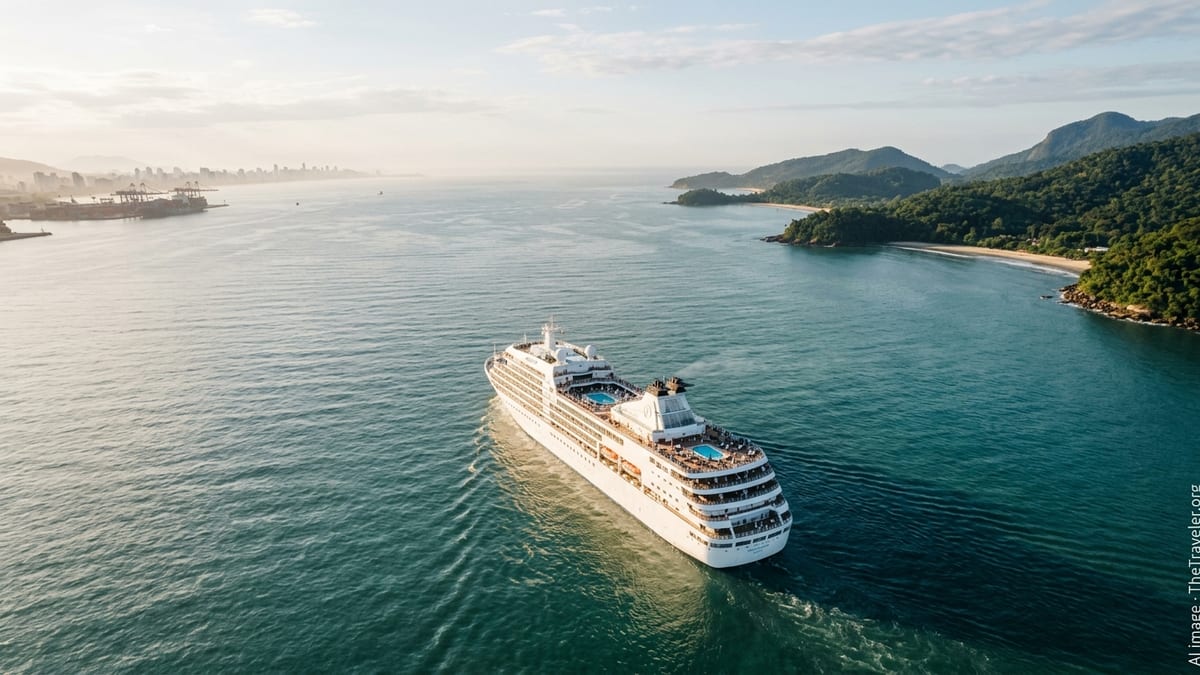
New Brand Targets Brazil for First Overseas Season
Corazul Cruceros, a Spanish cruise line created in 2026 with a focus on Iberian and Latin guests, has confirmed plans to operate its first Brazilian season in 2026-27 using the 1,900-passenger Buenavista. Publicly available information from Brazilian tourism and port news outlets indicates that the company will base the ship in Santos, the country’s busiest cruise gateway, positioning the brand in direct competition with established players that traditionally dominate the region.
The move marks the line’s first large-scale expansion outside its core Mediterranean program, which is set to begin in mid-2026. Industry coverage describes Corazul as a culturally tailored product, offering Spanish-language service, familiar gastronomy and informal onboard ambience, features that the line now intends to adapt for Brazilian travelers and regional source markets.
Port schedules and regional trade reports suggest that the Buenavista’s deployment will coincide with an already buoyant outlook for South American cruising, with Brazilian authorities forecasting another year of passenger growth as more international brands return to the region. Corazul’s entry is expected to further diversify the mix of ships and onboard styles available to residents and international visitors.
Itineraries Along Brazil’s Most Popular Coastal Routes
Preliminary forecasts for the 2026-27 season show Corazul Cruceros planning a series of roundtrip itineraries from Santos with calls at classic Brazilian beach and city destinations. Local tourism news coverage lists Salvador, Recife, Rio de Janeiro, Balneário Camboriú and the island of Ilhabela among the ports scheduled to receive the Buenavista during its inaugural Brazilian program.
These routes align with established patterns in the South American cruise market, where seven to ten night sailings along the country’s Atlantic coastline remain a mainstay for both domestic and regional passengers. By combining marquee cities such as Rio de Janeiro and Salvador with smaller resort areas, the program is expected to appeal to first-time cruisers as well as repeat guests seeking new brand experiences on familiar routes.
Port data suggests that Santos will serve as both embarkation and turnaround port for much of the winter season, reinforcing its status as Brazil’s principal homeport. Additional calls in secondary ports are likely to distribute economic benefits across coastal communities, from shore excursion spending to provisioning and port services linked to cruise operations.
All-Inclusive Offers Aim to Differentiate in a Crowded Market
Corazul Cruceros is positioning itself around a simplified, largely inclusive pricing model that extends to dining and beverage options. Information published by the company highlights a range of included restaurants, from the main dining rooms Corazón and Azul to an extensive buffet venue, reflecting an emphasis on familiar flavors and generous portions as part of the base cruise fare.
In addition to standard inclusions, the line promotes beverage packages that bundle soft drinks, non-alcoholic cocktails and a selection of alcoholic drinks at fixed daily rates, designed to appeal to families and groups who prefer predictable onboard spending. Trade descriptions present these offers as a core selling point of the brand, in contrast to more segmented models where dining and drinks are more heavily à la carte.
For the Brazilian season, observers expect Corazul to highlight these all-inclusive style bundles in local currency, a strategy that may resonate with passengers sensitive to exchange-rate fluctuations and onboard extras. This approach could help the newcomer carve out space in a market where price transparency and value are frequent deciding factors for holidaymakers comparing cruise options with land-based resorts.
Buenavista Brings Mid-Size Capacity and Familiar Hardware
The Buenavista, the sole vessel currently associated with Corazul Cruceros, is a mid-size ship with capacity for just under 2,000 guests. Cruise industry databases note that the vessel previously sailed in other markets before being refitted for the Spanish brand, with upgrades centered on public areas, food and beverage concepts and family-friendly cabins accommodating up to four passengers.
Onboard, the ship features multiple dining venues, bars, lounges, a spa and wellness area, pool decks and children’s facilities. The company’s promotional material emphasizes relaxed social spaces, live music and casual dress codes, positioning the experience as convivial rather than formal. For Brazilian guests, this mix of facilities and atmosphere places the Buenavista in a segment that sits between large resort-style megaships and smaller premium vessels.
Analysts following fleet redeployments point out that the ship’s size could be an advantage in Brazilian ports that have capacity or draft constraints, and may also support itineraries that include smaller destinations with more limited infrastructure. Mid-size hardware can also facilitate a more intimate onboard experience while still offering a full slate of entertainment and dining choices.
Boost for South American Cruise Tourism Outlook
Corazul Cruceros’ decision to program a full Brazilian season for 2026-27 is being interpreted by regional commentators as a sign of confidence in South America’s cruise recovery and future growth. After several years of volatility, port agencies and tourism boards have reported steady rebounds in ship calls and passenger volumes, with additional capacity commitments from international lines across multiple seasons.
The entry of a new European brand tailored to Spanish- and Portuguese-speaking guests is expected to support that trajectory, broadening the range of products available to travelers from Brazil, Argentina and other source markets. Travel retailers in the region are likely to position the Buenavista itineraries alongside more established offers, potentially stimulating competitive pricing and promotional activity ahead of the season.
While detailed booking data for Corazul’s Brazilian program has not yet been made public, industry observers will be watching load factors, onboard spending and repeat booking patterns as key indicators of how well the new concept resonates with local travelers. Strong performance could encourage the company to extend its South American deployment in subsequent years, further entrenching Brazil as a strategic pillar in its long-term growth plans.