

More news on this day
Corinthia Hotels has officially arrived in Italy with the opening of Corinthia Rome, a grand neoclassical palazzo on Piazza del Parlamento that has been transformed from a former Bank of Italy stronghold into a tightly curated 60 room luxury retreat in the heart of the capital.
Get the latest news straight to your inbox!
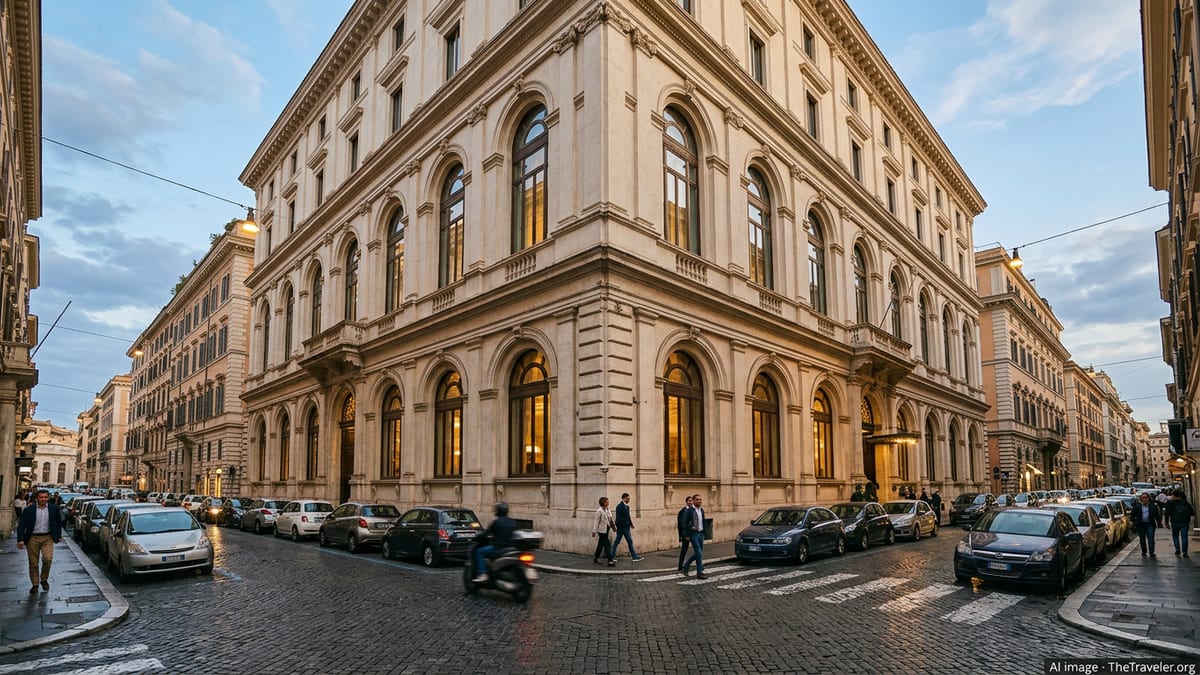
A Historic Bank Headquarters Reborn as a Luxury Landmark
The newly opened Corinthia Rome occupies a prominent corner of Piazza del Parlamento, just steps from Italy’s Chamber of Deputies and within easy walking distance of the Spanish Steps, Trevi Fountain and Via del Corso. Publicly available information shows that the building was completed in 1914, originally serving as a major headquarters for the Bank of Italy before its acquisition by Reuben Brothers in 2019 for conversion into a hotel.
Reports indicate that the project has been years in the making, with a comprehensive restoration program focused on preserving the palazzo’s neoclassical architecture while overhauling its interior for modern hospitality. The transformation has reshaped approximately 9,700 square metres across seven floors, creating an intimate ultra luxury property that contrasts with the large scale of many Roman grand hotels.
The debut marks a significant milestone for Corinthia Hotels, a group long associated with carefully restored heritage properties in cities such as London, Budapest and Brussels. With Corinthia Rome, the brand sets its first footprint in Italy, positioning the hotel as both a new social hub for the city and a discreet base for high end leisure and business travellers.
According to corporate filings and recent announcements, the hotel’s opening also forms part of a broader expansion strategy that has seen Corinthia add properties in New York, Brussels and Bucharest, reinforcing its focus on historic buildings given a contemporary, design led second life.
Design Focus: Neoclassical Bones, Contemporary Italian Finish
Corinthia Rome has been conceived as what some hospitality observers describe as a “grand boutique” hotel, combining the stature of an institutional palazzo with the scale and atmosphere of a private residence. The restoration is reported to have retained original architectural elements such as soaring ceilings, marble panelling, fresco work and carved timber detailing, many of which date back more than a century.
Inside, the aesthetic leans toward refined, contemporary Italian design, with a muted palette, tailored furnishings and bespoke lighting that highlight the building’s period features rather than competing with them. Publicly available descriptions of the interiors suggest a deliberate sense of restraint, aiming to feel residential and timeless rather than overtly trend driven.
The hotel offers 60 rooms, including 21 suites and a collection of penthouses with panoramic views across Rome’s historic skyline. Layouts appear to make use of the palazzo’s original structural grid, resulting in generously proportioned rooms with tall windows, deep window seats and, in some categories, balconies or terraces overlooking the surrounding rooftops and piazzas.
Bathrooms continue the neoclassical narrative, with extensive use of marble, metal detailing and standalone tubs in higher category suites. Technology has been integrated discreetly, reflecting a broader trend in luxury hospitality toward invisible service and quiet comfort rather than overt gadgetry.
Destination Dining and the Arrival of Carlo Cracco in Rome
Food is expected to be a central part of the Corinthia Rome experience, with the opening widely noted in Italian travel and hospitality coverage for bringing celebrated chef Carlo Cracco to the capital in a significant way. The Michelin recognized chef, long associated with Milan’s fine dining scene, is reported to be overseeing the hotel’s culinary direction in collaboration with executive chef Alessandro Buffolino.
The property includes at least two principal dining venues and a bar, configured to serve both hotel guests and Roman residents. Early previews describe a signature restaurant that draws on Italian ingredients and techniques with a contemporary lens, alongside a more relaxed all day space and a lobby level bar designed to function as a neighbourhood living room.
Breakfast service and daytime dining are centred on Viride Restaurant, which, according to information published by the hotel, opens to both overnight guests and external visitors. The emphasis appears to be on seasonal produce, carefully considered presentation and an atmosphere that suits both business meetings and leisurely holiday mornings.
For Rome’s already competitive high end dining landscape, Corinthia’s arrival adds another layer of interest, pairing a high profile chef with a relatively small key count property. Industry observers suggest this formula is tailored toward guests who expect restaurant experiences to be as central to their stay as the room product.
Vaulted Spa, Wellness and an Intimate Sense of Place
Beneath street level, Corinthia Rome’s wellness offering taps directly into the building’s banking heritage. Company announcements describe a spa and wellness area constructed within the former vaults of the Bank of Italy, complete with vitality pools, treatment rooms and relaxation spaces set against the backdrop of thick stone walls and original structural elements.
The subterranean setting creates a contrast with the bright, high ceilinged rooms above, offering a more cocooning environment with subdued lighting, stone textures and water features. While full details of treatments and brand partnerships continue to emerge, available material points to a focus on restorative therapies, hydrotherapy experiences and tailored rituals rather than a purely gym led approach.
A fitness centre is also part of the wellness mix, with equipment and training spaces geared toward frequent travellers who wish to maintain routines on the road. The scale of the spa and fitness facilities reflects the overall boutique approach, prioritising atmosphere and design coherence over expansive resort style amenities.
Together with its food and beverage outlets, the spa is open to non resident guests, positioning Corinthia Rome as a lifestyle destination for locals looking for a central city retreat, as well as for visitors who prefer to remain within walking distance of Rome’s historic core.
Location, Access and What Travellers Should Know Now
Situated on Piazza del Parlamento, the hotel occupies one of the most central and politically symbolic squares in Rome. According to publicly available mapping data, guests are within a short stroll of Via del Corso’s shopping corridor, the baroque drama of Piazza di Spagna and Piazza Navona, and the institutional buildings of the Italian state.
The central location is likely to appeal to travellers who value being in the historic heart of the city over staying near major transport hubs such as Termini station. From Corinthia Rome, many key sights can be reached on foot, while taxis and private transfers provide straightforward access to both of Rome’s airports.
Room inventory is compact at 60 keys, which may translate into high demand during peak seasons and major events in the capital. Prospective guests looking to experience the property in its opening months may wish to consider booking well in advance, particularly for suites and penthouses with terraces or more distinctive layouts.
For now, Corinthia Rome represents a notable new entry in the city’s five star landscape, combining a carefully restored neoclassical shell with contemporary Italian design, destination dining and a spa rooted in its former life as a bank vault, all in a location that places guests at the centre of political and cultural Rome.