

Corktown is Detroit in microcosm: old brick rowhouses and Irish pubs beside experimental restaurants, craft distilleries, and a reborn train station that has become a symbol of the city’s comeback. Just west of downtown along Michigan Avenue, this compact neighborhood is easy to explore on foot in a day, yet rich enough in history, food, and culture that many visitors end up returning again and again. This guide walks you through Corktown’s past and present, with practical suggestions for where to eat, what to see, and how to experience the city’s oldest neighborhood like a local.
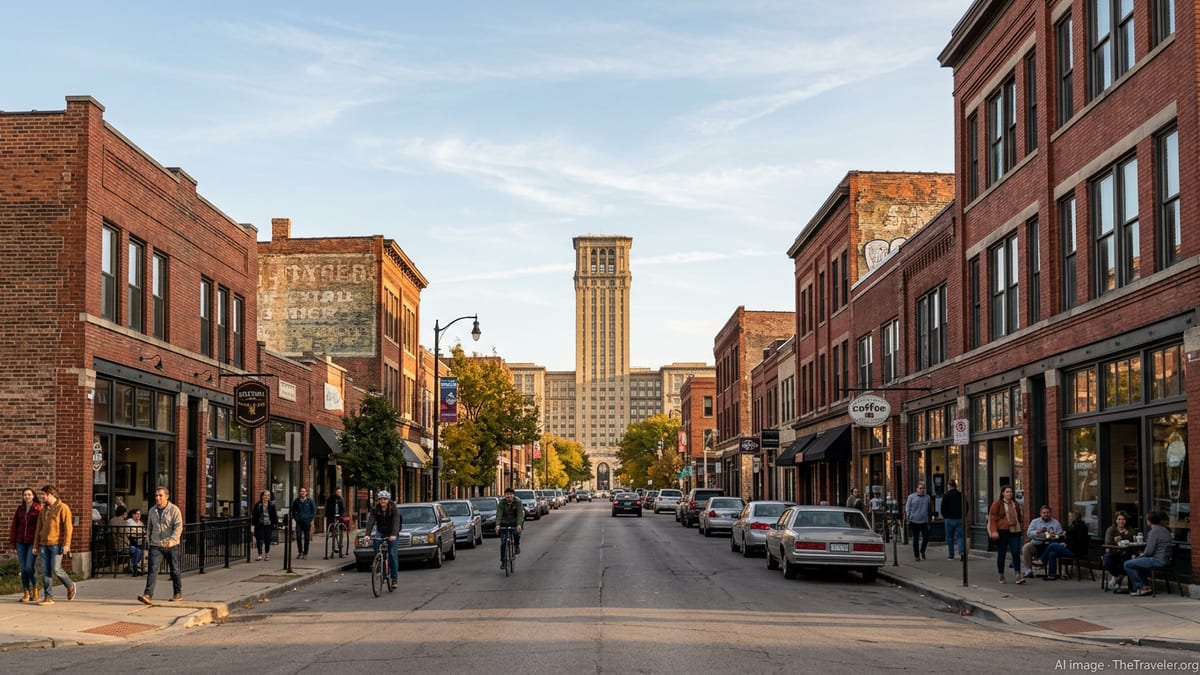
Corktown’s Story: From Irish Enclave to Innovation Hub
Corktown takes its name from County Cork in Ireland, a nod to the wave of Irish immigrants who settled here in the mid 1800s. They built narrow brick rowhouses and modest wooden cottages along streets that once ran directly to the Detroit River. Today, many of those 19th century homes still stand, and walking along Bagley, Porter, or Labrosse Street you can still see pastel painted facades, deep front porches, and decorative cornices that feel a world away from downtown’s glass towers.
Through the 20th century, Corktown shifted with Detroit’s fortunes. The construction of the Lodge Freeway and other road projects cut into the neighborhood’s original footprint, and the closure of factories and rail facilities led to disinvestment. Michigan Central Station, once a grand passenger rail hub, closed in 1988 and sat vacant for three decades, its empty Beaux Arts tower becoming a national symbol of Detroit’s decline.
That story turned a corner when Ford Motor Company purchased Michigan Central Station in 2018 and launched a multi year, roughly three quarters of a billion dollar restoration. The station’s public reopening in June 2024 drew Detroiters from across the region to see its marble waiting hall and vaulted ceilings come back to life. Today the building anchors a 30 acre innovation district focused on mobility and technology, and new offices, public plazas, and event spaces continue to open around it.
For visitors, this history is not abstract. You can stand on Michigan Avenue and see early 1900s shopfronts on one side and the restored station glowing on the horizon, with murals, new housing, and small businesses filling the blocks in between. It is one of the clearest places in Detroit to feel the city’s broader renaissance at street level.
Getting Oriented: Layout, Atmosphere, and When to Visit
Corktown sits immediately west of downtown Detroit, centered on the stretch of Michigan Avenue between the Lodge Freeway and roughly 14th Street. The core commercial spine runs along Michigan Avenue, while quiet residential blocks with historic homes spread north and south. North Corktown, across I 75, is a related but slightly different area with more open lots, newer housing, and destination bars like Nancy Whiskey and MotorCity Wine.
For first time visitors, the easiest way to arrive is by car or rideshare. From downtown hotels around Campus Martius or the riverfront, Corktown is usually a five minute drive in light traffic. Many people simply walk or scooter along Michigan Avenue from downtown on a nice day, which takes about 15 to 20 minutes. Street parking is generally metered along Michigan Avenue and side streets near popular restaurants, and fills quickly on weekend evenings or during events at The Corner Ballpark or Michigan Central.
The neighborhood has a lived in, local feel that contrasts with Detroit’s busier entertainment districts. On a weekday morning you will see residents walking dogs past brick duplexes, construction crews renovating old storefronts, and office workers heading toward Michigan Central. Evenings bring more visitors heading to dinner, craft cocktails, or a show. Weekends are the most vibrant, especially Saturday and Sunday brunch hours when lines form outside bagel shops and cafes.
Weather makes a big difference to the Corktown experience. In winter, temperatures often hover around freezing and wind can cut sharply along Michigan Avenue, so bring a proper coat and plan more indoor stops. Spring and fall, with milder temperatures and leaves changing in chronically photogenic tree lined streets, are ideal for walking the neighborhood. Summer weekends can feel almost festival like, with patios at places like Batch Brewing Company and Two James Spirits full of people lingering late into the evening.
Walking Through History: Architecture, Landmarks, and Local Color
A simple way to start is to treat Corktown as an open air museum and take a self guided walk. Begin near Michigan Avenue and Trumbull, once the location of Tiger Stadium. Today you will find The Corner Ballpark here, a community sports complex and baseball diamond built on the original field footprint. On game days you may hear the crack of bats from youth leagues, and even on quiet afternoons you can stroll the concourse and imagine the days when more than 50,000 fans watched the Detroit Tigers play on this site.
From The Corner Ballpark, stroll east along Michigan Avenue. You will pass a mix of restored red brick buildings that now house restaurants and bars, low slung storefronts with neon signs, and occasional empty lots awaiting new development. Glimpses of Victorian houses and turn of the century commercial blocks peek down cross streets. If you are interested in Corktown’s immigrant roots, detour south toward the UIS Irish Plaza, a small memorial garden overlooking the rail lines that commemorates Irish heritage in Detroit.
Continue west along Michigan Avenue and the restored Michigan Central Station soon dominates the skyline. Its monumental colonnaded façade and tall tower are especially striking at sunset, when light hits the limestone and the windows begin to glow. The plaza in front often hosts public events, food trucks, and performances. Check posted schedules or ask at the welcome desk about current exhibitions, tours of the public areas, and any special events during your visit, as programming changes seasonally.
Alongside these headline sites, Corktown is rich in small details: hand painted shop signs, alleyway murals, and decorative brickwork on residential streets. Set aside time to wander a block or two off Michigan Avenue in each direction. You may find an 1870s rowhouse with original wood trim next to a newly built townhouse, or stumble onto a pocket park where locals sit with coffee. These quiet side streets are a reminder that Corktown is a living neighborhood, not just a visitor attraction.
Where to Eat: From Bagels and Brunch to Late Night Bites
For a relatively small district, Corktown punches far above its weight in dining. Mornings often begin at Detroit Institute of Bagels, a beloved local spot that helped put Corktown on the national food map and has been recognized among the country’s top bagel shops. Expect a line on weekend mornings and a menu that ranges from simple sesame with cream cheese to stacked breakfast sandwiches featuring local ingredients. Prices for a bagel with spread are typically in the low single digits, making it an easy everyday stop.
If you prefer a sit down brunch, Michigan Avenue and nearby blocks offer several choices. Many travelers gravitate to places that lean into hearty Midwestern comfort food with a modern twist, such as biscuit sandwiches, grain bowls, or seasonal vegetable dishes paired with good coffee and cocktails. On a typical weekend, it is wise to budget extra time or put your name on a waitlist, especially between late morning and early afternoon when both locals and visitors crowd into dining rooms and onto patios.
Evenings reveal the full range of Corktown’s culinary scene. One night you might book a table at a contemporary restaurant highlighting local produce and shared plates, with dishes like roasted Great Lakes fish or creative vegetarian small plates. Entrées at these midrange spots commonly fall in the 20 to 35 dollar range, with tasting menus possible at higher end venues. On another night you could keep it casual at a neighborhood favorite on Michigan Avenue, ordering burgers, classic bar food, or Detroit style specialties alongside a draft beer.
Do not overlook Corktown’s food adjacent experiences either. Batch Brewing Company, just off Michigan Avenue, has long been a favorite for pairing experimental small batch beers with a menu of sharable dishes such as soft pretzels, mac and cheese variations, and seasonal specials. A few blocks away, Two James Spirits offers tours and tastings at Detroit’s first licensed distillery since Prohibition, where you can sample house made rye, bourbon, and gin, then stick around their tasting room for cocktails. Budget roughly 15 to 25 dollars per person for a tasting flight or tour, and consider booking ahead on weekends.
Bars, Nightlife, and Live Music
Corktown’s nightlife tends to be relaxed and neighborly rather than flashy, which is part of its appeal. You can find a crowded bar on a Friday night, but you are just as likely to settle into a corner at a pub where regulars chat with the bartender about the latest Tigers game. The district blends long running hangouts with newer cocktail forward spots, giving you options whether you want cheap beer or a carefully built drink.
On the neighborhood’s northern edge, North Corktown’s Nancy Whiskey is a classic example of an old Detroit bar with stories to spare. The low key, wood paneled interior, jukebox, and occasional tales of ghostly footsteps in the locked basement give the place character without feeling gimmicky. Drinks lean straightforward rather than fancy, and prices are typically lower than in downtown cocktail bars, which makes it a good place to start or end a night without blowing your budget.
Back along Michigan Avenue, you will find bars that bridge the gap between dive and destination. Some spots specialize in craft beer with dozens of taps, others in natural wine, and still others in well executed cocktails that highlight local spirits. Expect to pay around 6 to 8 dollars for a draft beer, 12 to 16 dollars for a cocktail, and more for premium pours. Many bars offer small food menus or partner with nearby restaurants and pop ups, so you can nibble while you drink.
Live music is another draw. Smaller venues and bars host local bands ranging from jazz trios to indie rock, often without a cover charge or with a modest fee at the door. Schedules fluctuate, so check social media or chalkboard signs outside venues as you walk. On warm evenings, some places set up outdoor stages or string lights over patios, creating an atmosphere that feels more like a neighborhood block party than a conventional nightclub district.
Shopping, Culture, and Everyday Neighborhood Life
Corktown is not a major retail destination compared with downtown or suburban malls, but that is part of its charm. The shops that do exist tend to be locally owned and carefully curated, making them ideal for travelers who want souvenirs that actually reflect Detroit. On or near Michigan Avenue you will find boutiques selling Detroit made home goods, art prints, and apparel, alongside vintage stores where you can dig for retro jackets, records, or mid century glassware.
Music fans should seek out independent record shops in and around Corktown that are known for deep selections in soul, rock, and electronic music. It is common to see local DJs and crate diggers flipping through bins on weekend afternoons. Prices vary widely, from a few dollars for well loved LPs to higher amounts for rare pressings, but even a casual browse gives you a sense of Detroit’s long connection to music.
Beyond shopping, much of Corktown’s culture unfolds in its public spaces and community events. The neighborhood frequently hosts seasonal gatherings organized by local businesses and residents, such as holiday festivals along Michigan Avenue with outdoor heaters, food trucks, and live music in December, or summer street events that close portions of the road to car traffic. Visitors are welcome, and joining in is an easy way to meet locals and see how the neighborhood comes together outside of day to day commerce.
On an ordinary weekday, cultural life is subtler but still present. You might see a photography class setting up tripods near Michigan Central, a yoga group meeting in a small park, or parents waiting outside the local elementary school at dismissal time. Sitting on a bench with coffee and simply watching people move through their routines can be as revealing as any formal tour, especially for travelers interested in how Detroit residents actually live.
Things To Do: From Ballparks to Distilleries and Beyond
Many visitors structure their Corktown day around one or two anchor experiences, then fill in the rest with wandering and food. Michigan Central Station naturally tops the list. Even if you do not join a formal tour, it is worth walking the perimeter to appreciate the restored exterior details, then stepping into any publicly open areas to see marble columns, decorative plasterwork, and historic signage that survived decades of abandonment. Check current opening hours and security procedures before you go, as they can vary for special events or private functions.
History and sports fans should add The Corner Ballpark to their itinerary. If you visit when no games are scheduled, you can still view plaques and displays that explain the site’s connection to Tiger Stadium and Detroit baseball history. On spring and summer evenings, youth and amateur league games fill the stands, and you are welcome to sit in the bleachers and watch for a while at no cost, though donations to the nonprofit operator are appreciated.
Spirits enthusiasts will find a highlight at Two James Spirits, where guided tours walk you past gleaming copper stills and aging barrels, explaining how Detroit’s first post Prohibition distillery sources grain, ferments mash, and experiments with new products. Tastings typically include a curated lineup of whiskeys and gins, and the bar staff are happy to suggest cocktails based on your preferences. Call ahead or book online to confirm tour times, as slots often sell out on weekends or during major city events.
For a lower key outing, consider simply exploring the side streets on a self guided photo walk. Frame views of the Michigan Central tower behind rows of trees, capture close ups of century old brick and stained glass, or photograph murals along alleys that celebrate Detroit’s musical and industrial heritage. Early morning and late afternoon offer the most flattering light. Be respectful of private property and residents, and remember that while Corktown is generally safe by big city standards, it is still wise to stay aware of your surroundings and avoid wandering alone late at night on deserted blocks.
Practical Tips: Safety, Budget, and Getting Around
Corktown has a reputation among locals as one of Detroit’s more comfortable neighborhoods for walking, particularly along Michigan Avenue and the main residential streets. You will see joggers, dog walkers, and families out well into the evening when the weather cooperates. That said, Detroit remains a big, spread out city, so the usual urban common sense applies: keep valuables out of sight, lock your car, and stick to well lit, populated areas late at night. If a block looks unusually empty or poorly maintained, it is reasonable to choose another route.
Budgeting for a day in Corktown depends on how many meals and activities you plan. A typical pattern for two people might include a bagel breakfast and coffee for around 20 to 25 dollars total, a midrange lunch with shared appetizers and drinks for 50 to 70 dollars, and a nicer dinner with cocktails or wine for 100 to 150 dollars, depending on your choices. Add tasting flights at a distillery or brewery, and you could easily spend another 40 to 60 dollars. On the other hand, it is entirely possible to experience the neighborhood on a tighter budget by focusing on casual spots, happy hour specials, and free attractions like public art and ballgames.
Getting around without a car is manageable if you are staying downtown or in nearby districts. Rideshare services are plentiful and relatively inexpensive for short hops, and some visitors choose to rent bikes or scooters during the warmer months to travel along Michigan Avenue and the riverfront. Public transit options exist but are not as frequent as in some other major cities, so if you rely on buses, check schedules in advance and build in extra time for transfers.
Finally, consider how Corktown fits into your broader Detroit itinerary. Many travelers pair a Corktown day with a visit to neighboring Mexicantown and Southwest Detroit for Mexican bakeries and taquerias, or with a downtown night out at a concert or theater. Others spend a morning in Corktown before driving about 20 minutes west to the Henry Ford Museum of American Innovation in Dearborn. Thinking about the neighborhood as one piece of a larger Detroit puzzle will help you appreciate its character without expecting it to provide every kind of attraction in one place.
The Takeaway
Corktown is both an introduction to Detroit and a neighborhood that rewards deeper exploration. It tells a layered story: of Irish immigrants and factory workers, of decline and vacancy, and now of reinvestment centered on a restored train station turned innovation hub. You can taste that story in the food, from bagels and brunch plates to inventive dinners and distillery cocktails. You can see it in the built environment, from preserved rowhouses and the corner where Tiger Stadium once stood to new public plazas and office spaces around Michigan Central.
For travelers, the appeal lies in Corktown’s balance. It is trendy without feeling overpolished, historic without being frozen in time, and lively without the overwhelming crowds of larger entertainment districts. Whether you have a single evening to spare or several days to linger, walking Michigan Avenue, catching a game at The Corner Ballpark, and watching the sun set behind Michigan Central will give you a grounded sense of where Detroit has been and where it is headed next.
FAQ
Q1. Where exactly is Corktown in Detroit?
Corktown sits immediately west of downtown Detroit, centered on Michigan Avenue between the Lodge Freeway and roughly 14th Street, with residential blocks extending north and south.
Q2. Is Corktown safe for visitors?
Corktown is considered one of Detroit’s more comfortable areas for walking, especially along Michigan Avenue, but visitors should still use normal big city precautions, stay in well lit areas at night, and keep valuables out of sight.
Q3. How do I get to Corktown without a car?
If you are staying downtown, you can often walk or use a short rideshare trip to reach Corktown. Buses do serve Michigan Avenue, but schedules can be infrequent, so check route information in advance.
Q4. What is the best time of year to visit Corktown?
Spring and fall offer mild weather that is ideal for walking, while summer brings lively patios and outdoor events. Winter visits are still worthwhile but require warm clothing and more indoor planning.
Q5. Do I need reservations for Corktown restaurants?
For popular brunch and dinner spots, especially on weekends, reservations or joining an online waitlist are strongly recommended. Casual pubs and cafes often accept walk ins but can still be busy during peak hours.
Q6. Can I tour inside Michigan Central Station?
Public access to Michigan Central varies based on events and programming. At minimum, the exterior plazas are generally open, and at times the interior ground floor hosts exhibitions or tours, so check current information before your visit.
Q7. What are some must see stops in Corktown for first timers?
Many first time visitors prioritize walking along Michigan Avenue, seeing The Corner Ballpark on the former Tiger Stadium site, visiting Michigan Central Station, and stopping at a local restaurant, brewery, or distillery.
Q8. Is Corktown a good place to stay overnight?
Yes, staying in or near Corktown puts you close to downtown while offering a more neighborhood feel. Lodging options have been expanding, and additional hotel rooms are expected as Michigan Central’s campus continues to develop.
Q9. Can I visit Corktown with kids?
Corktown can be family friendly, especially during the day. Kids often enjoy The Corner Ballpark, casual restaurants, and watching trains near Michigan Central, though nightlife oriented bars are better suited for adults.
Q10. How much should I budget for a day in Corktown?
Budget travelers can experience Corktown with under 75 dollars per person by focusing on casual food and free sights, while those planning restaurant meals, tastings, and shopping may comfortably spend 150 dollars or more per person in a full day.