

More news on this day
Coronado Beach in San Diego County has been closed to ocean access following reports of sewage-linked contamination drifting north from the Tijuana River, disrupting coastal tourism and intensifying concern over long-running water quality issues in the region.
Get the latest news straight to your inbox!
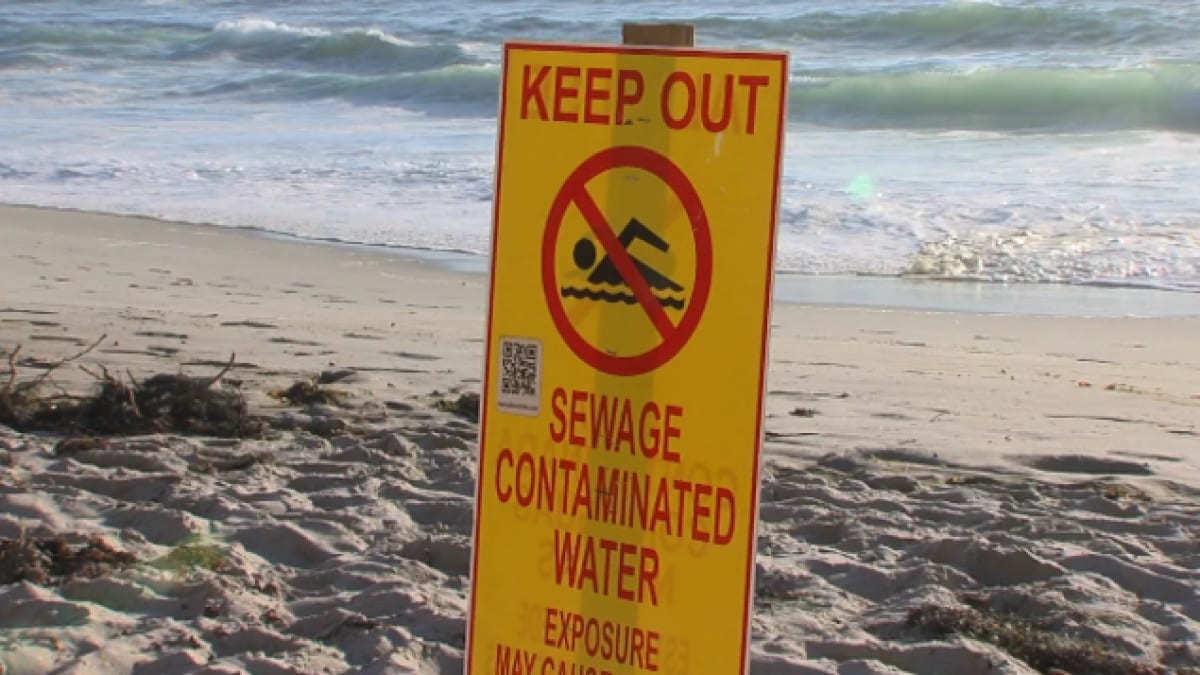
Image by 10News.com
Closure Targets Popular Stretch of San Diego Coastline
The latest closure affects the main municipal beachfront along Coronado’s ocean-facing shoreline, a wide expanse of sand that typically draws local residents, day-trippers and hotel guests. Publicly available information from regional beach monitoring programs indicates that water contact is currently restricted due to elevated bacteria levels associated with sewage pollution.
Signs advising against entering the ocean have been posted along affected sections, while the sand itself remains open for walking, running and other dry-beach activities. The move follows routine water sampling that detected contamination significant enough to trigger a full closure of the shoreline for swimming and other in-water recreation.
Coronado’s closure aligns with broader patterns across South Bay, where beaches in Imperial Beach and along the Silver Strand have faced extended interruptions in recent years. Historical county data shows that these southern stretches have regularly recorded days or even months under closure or advisory status because of sewage-impacted flows.
Long-Running Tijuana River Sewage Crisis Creeps North
The contamination is part of a larger, well-documented crisis tied to untreated or partially treated sewage, industrial waste and urban runoff carried north from Mexico via the Tijuana River and coastal currents. Published coverage from regional and national outlets describes tens of millions of gallons of polluted water entering the Pacific each day during peak failure periods at wastewater facilities south of the border.
When storms or infrastructure breakdowns occur in the Tijuana River Valley, contaminated flows can move northward along the coastline, affecting Imperial Beach first and then, depending on conditions, reaching the Silver Strand and Coronado. Government reports over the past several years have characterized this pattern as a chronic environmental and public health challenge for southern San Diego County.
Local briefing documents and letters of support from Coronado officials to federal agencies in 2024 and 2025 emphasize that transboundary sewage has repeatedly forced closures along the city’s shoreline. Those materials point to a combination of aging infrastructure, funding gaps and the complexity of cross-border coordination as key factors contributing to recurring contamination events.
Health Risks and Travel Plans Under Scrutiny
Public health guidance for sewage-affected beaches typically warns that swimming, surfing or ingesting contaminated water may increase the risk of gastrointestinal illness, skin rashes, ear and respiratory infections. Regional environmental health offices use routine testing for fecal indicator bacteria to determine when levels exceed thresholds considered acceptable for recreational waters.
For travelers, the latest closure adds uncertainty to visits planned around Coronado’s reputation as one of Southern California’s most scenic and family-friendly beaches. While hotels, restaurants and attractions on the island remain open, visitors who expected days of swimming and surfing in front of landmark properties such as the historic oceanfront resort will find ocean access temporarily restricted.
Travel industry observers note that repeated closures along the South Bay coastline have the potential to influence visitor behavior, with some beachgoers opting for northern San Diego County beaches that are less frequently affected by the Tijuana River plume. At the same time, Coronado’s broader appeal, including biking, shopping, dining and bayfront recreation, continues to draw guests even when water quality limits time in the surf.
Tourism Economy Faces Ongoing Uncertainty
Coronado’s tourism economy is closely tied to its beach, with hospitality and small businesses depending on year-round visitation. City correspondence summarized in public documents highlights concern that frequent closures and advisories can weaken the destination’s image and create additional challenges for hotels, vacation rentals and local retailers.
Beach rankings and travel features have historically placed Coronado among the top coastal destinations in the United States, citing its wide sandy shore, gentle waves and family-oriented atmosphere. Extended periods of contamination risk undermining that perception, particularly if potential visitors increasingly associate the region with sewage headlines rather than postcard imagery.
Business groups and local leaders have backed efforts at the county, state and federal levels to secure additional funding and accelerate projects aimed at capturing and treating polluted flows before they reach the ocean. These initiatives include upgrades to treatment plants, diversion systems and cross-border infrastructure intended to reduce the volume of untreated sewage entering coastal waters.
Monitoring, Mitigation and What Visitors Can Expect Next
Under current protocols, Coronado Beach is expected to remain closed to ocean contact until follow-up testing confirms that bacteria levels have fallen back within health standards. Monitoring programs typically involve daily or near-daily sampling during significant contamination events, with advisories updated as new data is processed.
Publicly available beach status dashboards and phone hotlines operated by local agencies provide the most current information on closures, advisories and reopenings along San Diego’s coastline. Travelers planning trips in the coming days are encouraged to check conditions shortly before arrival, as status can change quickly with shifting currents, tides and storm activity.
Environmental organizations and regional coalitions continue to push for long-term solutions to the Tijuana River sewage crisis, arguing that piecemeal repairs will not fully address the scale of the problem. Policy proposals in recent years have included expanded binational agreements, significant new infrastructure investments and enhanced monitoring of both water and air quality near affected shorelines.
For now, Coronado’s closure underscores how cross-border pollution remains a defining issue for one of California’s most visited coastal regions. While the sand, sunsets and skyline views are unchanged, the ability to enjoy the water safely depends on complex engineering projects, international cooperation and sustained political will well beyond the beach itself.