

More news on this day
The United States has renewed its warning for travelers to Côte d’Ivoire, keeping the West African nation at Level 2 but urging Americans to avoid the northern border region entirely and to heed fresh alerts about piracy in nearby Gulf of Guinea waters.
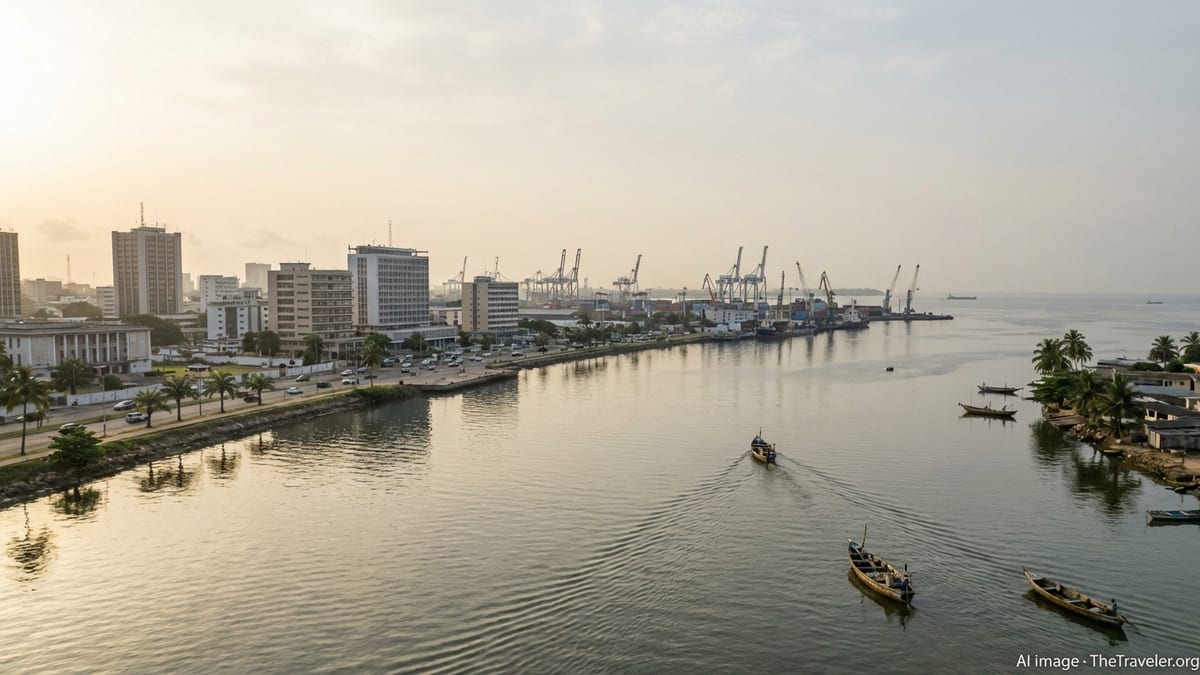
Updated U.S. Advisory Keeps Côte d’Ivoire at Level 2
The U.S. Department of State reissued its travel advisory for Côte d’Ivoire on February 18, 2026, maintaining a Level 2 rating that calls on U.S. citizens to exercise increased caution. The advisory highlights multiple risk indicators, including crime, terrorism, unrest, health concerns and piracy in nearby waters, reflecting a complex security environment for one of West Africa’s busiest travel and business hubs.
Officials stress that the move is not a new downgrade but a substantive update of an advisory that has evolved since 2024 as conditions shift in the wider Sahel and Gulf of Guinea regions. While Côte d’Ivoire remains open to tourism and business, the language of the latest notice is more explicit about areas that should be strictly avoided, as well as about constraints on U.S. government support outside major urban centers.
For most of the country, the advisory signals that travel remains possible for those who are well prepared and attentive to security guidance. However, the combination of land based threats near the borders and maritime risks offshore underscores that travelers can no longer treat the country’s coastal resort image as a guarantee of safety across all regions.
Northern Border Region Designated No Go Zone
The most striking element of the February 2026 update is a categorical warning against travel to Côte d’Ivoire’s northern border region. The advisory tells U.S. citizens not to travel to the area for any reason, citing a mix of crime and terrorism risks linked to instability spilling over from neighboring Burkina Faso and Mali. These frontier zones, including districts such as Savanes and Zanzan, have seen sporadic attacks in recent years that have targeted security forces and, at times, civilians.
Security analysts point to the presence of Jama’at Nusrat al Islam wal Muslimin, an al Qaida linked coalition that operates widely in the Sahel and has conducted raids across the border from Burkina Faso into northern Côte d’Ivoire. Although attacks remain localized and far from the commercial capital Abidjan, they have been serious enough to prompt reinforced military deployments and tighter controls on movement in some northern prefectures. Roads that once carried cross border trade and seasonal migration now form part of a de facto security belt where foreign travelers are strongly advised not to venture.
For tour operators and overland travelers who once used northern routes as part of trans Sahel itineraries, the U.S. stance narrows options and raises insurance concerns. It also aligns Côte d’Ivoire’s borderlands more closely with the highest risk profiles of its northern neighbors, both of which carry Level 4 “do not travel” designations, even as much of Ivorian territory continues to function as a lower risk corridor between the Gulf of Guinea and the interior.
Coastal Piracy Concerns in the Gulf of Guinea
In addition to land based insecurity, the updated advisory underscores the threat of piracy, armed robbery and kidnapping for ransom in waters off Côte d’Ivoire, part of the wider Gulf of Guinea. Maritime security agencies have tracked a series of boarding incidents and attempted hijackings in the region over the past decade, shifting from large scale tanker seizures to more targeted robberies and crew kidnappings in areas near busy shipping lanes.
For U.S. citizens working in offshore energy, shipping or private yachting, the notice serves as a reminder that coastal views can conceal significant risks just beyond the horizon. Vessels operating near Ivorian ports are encouraged to adopt strict security protocols, including vigilant watchkeeping, restricted nighttime movement, and coordination with local maritime authorities and industry security reporting systems. Smaller craft and pleasure boats are considered particularly vulnerable due to lower freeboard and limited onboard protection.
While most international visitors remain on land, the emphasis on piracy has practical implications for cruise planners, port calls and adventure sailing itineraries that feature West Africa. Travel insurance providers and corporate security teams are increasingly factoring Gulf of Guinea risk assessments into route planning, sometimes favoring deeper offshore routes or alternative ports along the coast when threat levels rise.
Crime and Urban Safety in Abidjan and Beyond
Beyond the high profile risks along the borders and at sea, the advisory devotes considerable attention to crime in urban and peri urban areas. In Abidjan, a dynamic city of more than five million people, visitors may encounter petty theft, pickpocketing and scams in crowded markets and nightlife districts. The advisory notes that more serious incidents, including armed robbery, carjackings and home invasions, are also reported, particularly after dark and along transport corridors where motorists can be isolated in heavy traffic or on underlit roads.
Local police face resource constraints, which can limit rapid response capacity and investigative follow through. Travelers are encouraged to maintain a low profile, avoid displaying signs of wealth such as expensive jewelry or electronics, and use vetted transportation arranged by hotels or trusted contacts rather than hailing taxis on the street. Roadblocks, both official and occasionally unofficial, may appear on highways and at the edges of urban areas, requiring drivers to carry identification and remain patient during checks.
Security specialists emphasize that a combination of common sense precautions and situational awareness goes a long way in reducing exposure to crime. Choosing accommodation with controlled access, avoiding solo walks at night, and keeping valuables locked in hotel safes are now standard recommendations in security briefings for corporate travelers and tourists alike. Many large international hotels and conference venues in Abidjan and other major cities maintain their own security protocols, which can offer an additional layer of reassurance.
Terrorism Risk and Sahel Spillover
The terrorism component of the advisory reflects concern about the gradual southward spread of Sahel based militant networks over the past decade. While Côte d’Ivoire has not experienced the level of sustained insurgent violence seen in Burkina Faso or Mali, the country has absorbed shocks from cross border incursions and has tightened its security posture around sensitive sites such as government buildings, major hotels, places of worship and busy nightlife districts frequented by foreigners.
Groups like Jama’at Nusrat al Islam wal Muslimin, which draw on local alliances and illicit economies in the Sahel, have used porous borders and remote forested areas as staging grounds for attacks. Past incidents in northern national parks and rural communities underscored the vulnerability of remote tourist attractions and underserviced border posts. The authorities have since increased joint operations with regional partners and bolstered army and gendarmerie deployments along key routes leading north.
For travelers, the terrorism risk is less about a constant threat in everyday city life and more about the potential for intermittent, high impact incidents at venues that attract both locals and visitors. The advisory points to hotels, restaurants, nightclubs, and religious sites as locations where vigilance should be heightened. Security checks at mall entrances, event venues and some restaurants have become a routine part of urban life, and visitors are advised to cooperate fully with screening procedures and to leave immediately if they observe any unusual crowd movements or security activity.
Health System Strains and Travel Preparedness
The U.S. advisory further highlights limitations in Côte d’Ivoire’s healthcare system, particularly outside major urban centers. In big cities such as Abidjan, private clinics and some public hospitals can handle routine and certain emergency procedures, but capacity is frequently stretched and standards vary. In rural areas, facilities may lack essential equipment, medicines and trained staff, and travelers with pre existing conditions or specialized medical needs are urged to plan accordingly.
Prospective visitors are encouraged to purchase comprehensive travel health insurance that includes medical evacuation coverage, as serious illness or injury could require transport to another country for definitive care. The advisory notes that both public and private providers may require payment in advance, which means travelers should carry a way to access funds quickly, whether through credit cards, guarantees from insurers or other arrangements. Pharmacies may also be inconsistently stocked, and counterfeit or substandard medications can circulate in informal markets.
Preventive measures such as routine vaccinations, malaria prophylaxis where indicated, and strict attention to food, water and hygiene guidelines remain central to travel planning. For itineraries involving inland travel or extended stays, travelers are advised to consult health professionals well before departure to ensure that all recommended immunizations and medications are in place and that they have a personal medical kit tailored to their needs.
Constraints on U.S. Government Assistance
The updated notice also outlines restrictions on the movement of U.S. government personnel in Côte d’Ivoire, which serve as an indicator of the broader risk environment. Embassy staff are subject to limits on nighttime driving outside major cities and must travel in two vehicle convoys for official journeys beyond coastal areas and primary north south highways. These rules reflect concerns about road security, emergency response gaps and the possibility of ambushes or roadside crime along secondary routes.
For ordinary travelers, the message is that consular assistance may be difficult to deliver rapidly outside Abidjan and a few other major centers. In the event of an accident, medical emergency or security incident in remote areas, response times may be slow and local capabilities limited. The State Department therefore urges U.S. citizens to develop personal contingency plans, including knowing how they would leave the country in a crisis, keeping copies of important documents accessible, and making sure relatives or close contacts in the United States are aware of their itineraries.
Enrollment in official traveler alert systems, as well as maintaining reliable communication tools while abroad, has become a key part of risk mitigation. Travelers are advised to monitor local media, follow security updates and respect curfews or movement restrictions imposed by Ivorian authorities, particularly during periods of political tension or regional flare ups that can trigger demonstrations or temporary road closures.
Balancing Côte d’Ivoire’s Tourism Appeal with Evolving Risks
The heightened language of the 2026 advisory comes at a time when Côte d’Ivoire has been working to consolidate its image as a rising tourism and investment destination. Coastal resorts near Abidjan, the historic town of Grand Bassam and cultural and religious landmarks inland continue to draw visitors from across the region and beyond. The country’s relative economic dynamism, expanding air links and reputation for hospitality still set it apart from some of its crisis hit neighbors.
Industry observers note, however, that security warnings can carry a chilling effect on long haul leisure travel and may push some first time visitors to reconsider or to opt for shorter, more tightly managed stays. Tour operators that specialize in West Africa are increasingly redesigning itineraries to focus on the south and center of the country, building in additional safety briefings and partnering more closely with vetted local guides and transport companies. Corporate travelers, driven by trade, mining, agriculture and infrastructure projects, are also adjusting risk assessments and security budgets.
For now, the State Department’s message is that Côte d’Ivoire remains accessible but demands a higher level of preparation and caution than many casual travelers might expect. The juxtaposition of a flourishing coastal metropolis, fragile borderlands and an increasingly contested maritime zone paints a nuanced picture of a country at the crossroads of opportunity and risk, where informed decision making and careful planning are as essential as a valid passport and a packed suitcase.