

More news on this day
A Northumberland councillor has launched a campaign for what he calls a fairer and simpler rail fare system between Hexham and Newcastle, arguing that passengers on the Tyne Valley Line are paying significantly more than travellers covering a similar distance on the newly restored Northumberland Line between Ashington and Newcastle.
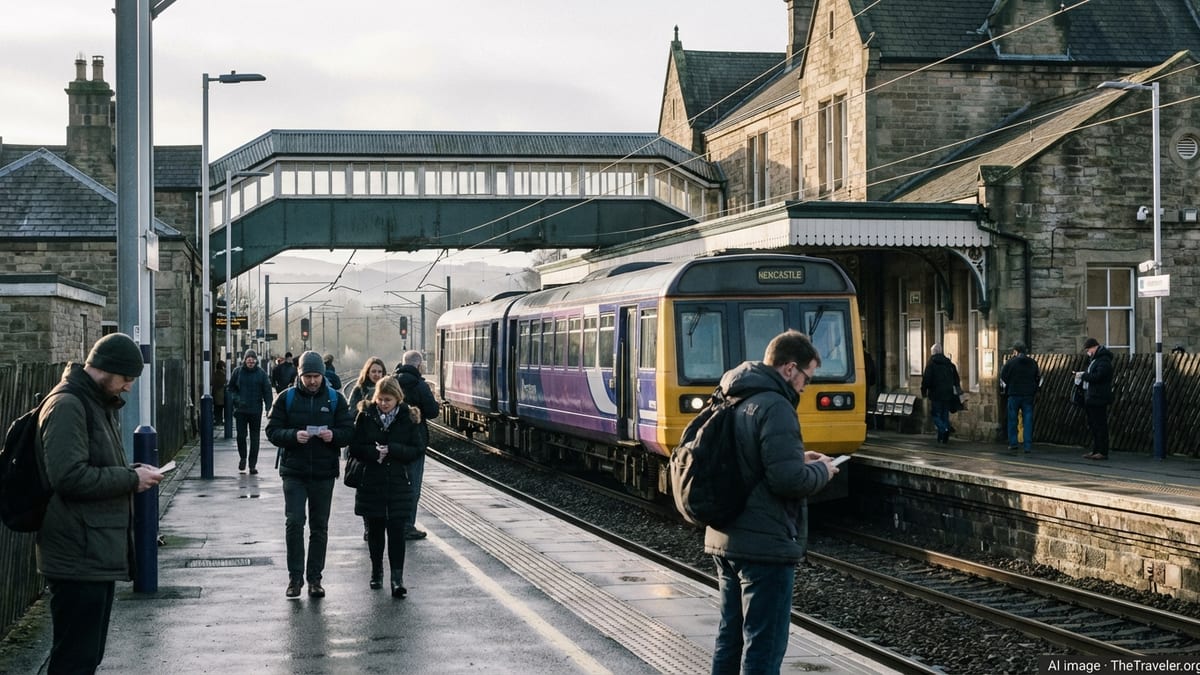
Fare gap puts Hexham commuters at a disadvantage
At the heart of the campaign is a stark comparison. A peak single fare for the roughly 19 mile journey between Ashington and Newcastle on the Northumberland Line is capped at around £3, thanks to a deliberately affordable fare structure designed when the line reopened to passengers. By contrast, an Anytime Day Single for the 22 mile trip between Hexham and Newcastle on the Tyne Valley Line can cost more than three times as much, with walk up tickets priced at just over £9 and a confusing spread of alternative options for those who book in advance.
The councillor leading the charge, Derek Kennedy, who represents Hexham West on Northumberland County Council, has publicly questioned whether such a disparity can be justified for passengers travelling broadly comparable distances into the same regional hub. Speaking at a recent council meeting, he highlighted what he described as a bewildering mix of prices for Hexham to Newcastle tickets, contrasting that with the clear and simple offers available on the Northumberland Line.
For regular rail users in the Tyne Valley, the difference is more than a talking point. Higher point to point fares can add up to hundreds of pounds a year for commuters, students and part time workers who rely on the line to access jobs, colleges, health appointments and leisure opportunities in Newcastle. Kennedy argues that this undermines regional pledges to support sustainable travel and places rural residents at a structural disadvantage compared with those living close to the newer route.
Rail campaigners say the issue cuts to a broader question about equity in public transport. If cheap, capped fares are seen as a tool for regeneration in south east Northumberland, they argue, then similar principles should apply to long established lines serving market towns and villages to the west of Newcastle.
How the Northumberland Line reset the benchmark on price
The relaunch of the Northumberland Line between Ashington and Newcastle in late 2024 has become a touchstone in this debate. When the service returned to regular passenger use for the first time since the 1960s, local authorities and the train operator Northern made affordability a central selling point. A simplified single leg pricing system means single tickets are half the price of returns, with a peak time cap of £3 for the full route and off peak singles between Ashington and Newcastle starting from as little as £2.60.
That structure was built into the project from the outset as part of a wider goal to tempt drivers out of their cars, ease pressure on trunk roads into Tyneside and support new housing and jobs around the line. Local leaders have repeatedly pointed to the low fares as evidence that regional rail can be both frequent and affordable when it is designed around passengers rather than legacy ticketing rules.
Crucially for Kennedy and his supporters, the Northumberland Line fares were also integrated with the existing Pop smartcard system used on the Tyne and Wear Metro. This allows many passengers to switch seamlessly between local trains and urban light rail using pay as you go credit or capped day tickets. By comparison, Tyne Valley Line users often juggle separate tickets and higher prices if they need to continue their journey across the Metro network, even though they are feeding the same urban economy.
Transport officials say the Northumberland project benefited from being effectively a new line, giving scope to design a modern fare regime from scratch and negotiate bespoke arrangements with operators. But that has not eased frustration for residents in places like Hexham, Corbridge and Prudhoe, who see a new standard being set on one corridor while long standing routes remain governed by older, more expensive structures.
What Councillor Kennedy is demanding
Kennedy has framed his campaign around the principle that passengers should be able to travel on any rail route within Northumberland on broadly similar terms, regardless of whether their service is brand new or has been running for more than a century. He has called for a move towards a standardised, easily understood price range for journeys into Newcastle from towns such as Hexham, mirroring the clarity enjoyed by Northumberland Line users.
In council, Kennedy pressed the authority leadership on whether it believes current Tyne Valley fares are fair or equitable and asked how Northumberland can secure a more consistent price structure across the county. He has also pledged to take the issue directly to the North East Mayor, who holds the key powers over public transport funding and fare policy under the region’s devolution settlement.
Kennedy argues that while passengers are encouraged to book in advance to secure cheaper deals, this does little for those with unpredictable hours, caring responsibilities or zero hours contracts who need the flexibility of walk up tickets. In his view, treating these travellers as a captive market for higher prices is at odds with messages about inclusive growth and levelling up in rural communities.
Beyond headline prices, the councillor is also questioning the complexity of existing fare tables on the Tyne Valley Line. A patchwork of Anytime, Off Peak, Advance and promotional tickets can leave customers uncertain whether they have found the best value option, particularly when compared with the simpler single leg pricing now embedded on the Ashington route.
Regional leaders weigh in on the debate
The leader of Northumberland County Council, Glen Sanderson, has publicly sympathised with Kennedy’s concerns, telling councillors that it should be possible to travel on any rail system in Northumberland for roughly the same kind of price. Sanderson said he has already been in discussions with North East Mayor Kim McGuinness about the need for a more coherent approach to fares across the region.
Under the North East Combined Authority’s new powers, the mayor will have a central role in shaping future bus and rail integration, fare caps and subsidies. Sanderson has indicated that the Tyne Valley Line is considered a strategic route within that picture, suggesting that the case for revisiting its fares will now be fed into broader negotiations over regional transport budgets and priorities.
For her part, McGuinness has made affordable public transport a recurring theme since taking office, championing a capped single bus fare and arguing that cheaper journeys are vital to help families with the cost of living while supporting the transition to greener travel. Rail users along the Tyne Valley will be watching closely to see whether that rhetoric translates into concrete proposals for their route, beyond the flagship projects that have dominated headlines so far.
The discussion also intersects with long running concerns over timetable changes and service levels across Northumberland. Campaigners in the north of the county have warned that proposed long distance timetable revisions risk squeezing out local stops, while others have pushed for stronger rural services and better evening connections. Kennedy’s focus on fares adds another dimension to a growing sense that rail policy in the region must balance intercity ambitions with the everyday needs of smaller towns.
How the rail industry explains the price difference
Train operator Northern, which runs services on both the Northumberland Line and the Tyne Valley corridor, insists that passengers between Hexham and Newcastle can still find competitive deals if they are able to plan ahead. The company points out that different fare products exist across its network depending on local funding agreements, historic regulatory frameworks and the timing of when individual routes were developed or modernised.
On the Ashington line, Northern and its public sector partners had the opportunity to integrate new rail services directly into the Pop pay as you go system and to introduce a clear single leg pricing model from day one. This approach, they say, was central to the business case for reopening the line and was supported by targeted subsidies aimed at driving rapid take up of the new service.
By contrast, fares on the Tyne Valley stretch sit within a long established national ticketing framework. Many of the key products, including Anytime and certain Off Peak and Season Tickets, are regulated at a national level through the Department for Transport, limiting how far operators can cut or restructure them without changes in government policy or new funding injections.
Industry figures also argue that headline Anytime fares are designed as a maximum walk up rate and that only a minority of passengers pay them regularly. However, that reassurance will do little to reassure travellers who lack the flexibility to commit to specific trains in advance or who only make occasional short notice journeys, precisely the people Kennedy says should not be left behind by reform.
What could change under Great British Railways and devolution
Behind the local row over Hexham and Newcastle fares sits a wider national debate over how rail ticketing should work in the future. The UK government has long trailed plans for a new public body called Great British Railways, which would bring track and train under a single guiding mind and has promised a programme of fare reform to simplify pricing, modernise products and make travel easier to understand.
Although the detail and timing of those reforms remain uncertain, advocates for change in Northumberland see an opportunity to use the Hexham case as a test bed. They argue that if Great British Railways and regional mayors can demonstrate that a consistent, affordable fare structure can be rolled out across interconnected routes like the Northumberland Line and the Tyne Valley, it could provide a template for other regions battling similar disparities.
Devolution is another potential lever. The North East mayor already has influence over local bus fares and is working with Nexus and train operators on integrated ticketing across modes. Extending the logic of capped, contactless style payments from the Metro and buses to heavy rail lines into Newcastle is seen by many in the region as a natural next step, though it would require complex negotiations over revenue sharing and subsidies.
For now, Kennedy’s campaign adds political pressure at a local level, underscoring the view that fare reform is no longer an abstract national conversation but a question with immediate consequences for household budgets in places like Hexham. If his calls gain traction, they could feed into pilots or trials that experiment with new caps or zonal systems for rail.
What travellers between Hexham and Newcastle should look out for
While the political arguments play out, passengers on the Tyne Valley Line are being urged to keep a close eye on both ticket options and policy announcements. For day to day travel, rail operators continue to advise that those able to plan ahead should use online tools and mobile apps to compare Advance fares, Off Peak options and potential combinations with Metro or bus tickets where relevant.
Regular commuters may still find value in weekly or monthly season tickets, despite the higher underlying fare structure, particularly if they travel at peak times five days a week. However, Kennedy’s focus on fairness has drawn attention to the limits of that advice for people whose working patterns do not fit traditional nine to five schedules, raising the prospect that new flexible season products or capped pay as you go style offers could be part of any future solution.
Passengers are also being encouraged by campaigners to share their experiences with councillors, rail user groups and the mayor’s office. Stories of how current prices impact decisions about work, study or leisure can help build the evidence base that local and regional leaders say they need when making the case for change to government and industry.
In the coming months, travellers between Hexham and Newcastle can expect further public discussion of the issue at council meetings, transport board sessions and community forums. Any formal proposals for fare trials, integrated ticketing or new subsidy arrangements are likely to be consulted on before implementation, giving rail users a direct say in how a more equitable system should look.
The broader stakes for Northumberland’s rail future
Ultimately, the campaign for fairer fares between Hexham and Newcastle is about more than just one stretch of track. It taps into wider questions about how Northumberland and the wider North East want their transport network to function as new lines reopen, services expand and the pressure to cut carbon emissions grows.
Supporters of Kennedy’s push believe that if the region is serious about encouraging people out of cars and onto trains, buses and the Metro, then price has to be part of the equation, not an afterthought. They argue that headline grabbing projects like the Northumberland Line demonstrate what is possible when affordability is built in from the start, and that the same logic should now be applied to the legacy routes that knit the county together.
Opponents of large scale subsidies warn that cutting fares on established lines without new funding could force difficult trade offs elsewhere in the system, from reduced investment in infrastructure to pressure on already stretched public budgets. They say any move towards standardised fares must be matched by a clear understanding of how lost revenue will be replaced and how benefits will be measured.
For now, the Hexham campaign has succeeded in putting the question of rail fairness firmly on the regional agenda. As national reforms inch forward and devolved powers mature, the outcome of this local row could help shape how much it costs to travel by train in Northumberland for years to come and whether the promise of affordable, joined up public transport extends to every corner of the county, not just those served by the newest lines.