

More news on this day
Alexander Beach Hotel & Village Resort in Malia, Crete is accelerating its digital transformation with artificial intelligence tools, mobile apps and data-driven marketing, signaling a wider shift in Greek island hospitality toward tech-enabled guest experiences.
Get the latest news straight to your inbox!
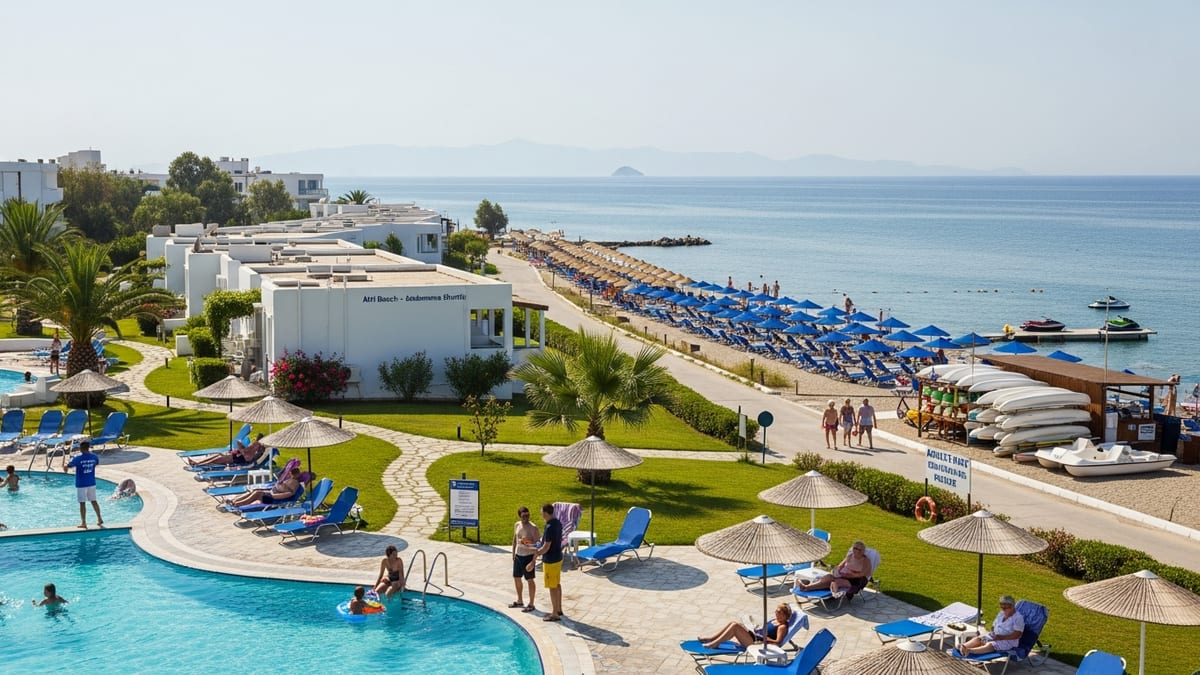
AI Chatbots and Web Apps Redefine Guest Interaction
Recent coverage of Alexander Beach Hotel & Village Resort indicates that the five-star property has introduced AI-powered chatbots to handle a growing share of routine communication with guests before, during and after their stay. The tools are designed to answer common questions about rooms, facilities, dining and local activities in multiple languages and in real time.
According to publicly available information, the resort has paired these chatbots with personalized web applications that give guests a single digital point of access to services. From these platforms, visitors can request housekeeping, book spa treatments, reserve restaurant tables or inquire about late check-out without queuing at reception or making phone calls.
The shift reflects a broader trend in Greek and European hospitality technology, where AI is increasingly used to consolidate messages from channels such as email, booking platforms and instant messaging into unified dashboards, making it easier for hotel teams to monitor and respond. Industry platforms serving hotels in Crete and across Greece are promoting these capabilities as a way to lift service responsiveness while reducing manual workload.
For Alexander Beach Resort, the deployment of AI-driven communication tools is positioned as a complement to, rather than a replacement for, staff on the ground. The digital layer aims to handle repetitive requests quickly so employees can focus on higher-value, face-to-face interactions that define a traditional Cretan welcome.
Mobile Convenience On Property, From Check In to Sunbed
Reports about the resort’s latest upgrades highlight a growing emphasis on mobile convenience during the stay itself. Guests are encouraged to engage through smartphone-friendly interfaces that act as digital companions, surfacing practical information such as opening hours, event schedules and on-site offers in an easily navigable format.
These tools are intended to streamline typical friction points in resort stays. By allowing visitors to manage elements of their experience from their phones, the property reduces congestion at front desks and concierge points, an important factor during peak summer months when Crete hosts large inflows of international tourists.
Within the wider Greek hotel market, similar digital journeys are being promoted by technology providers that specialize in integrating booking engines, messaging and operations into mobile-first ecosystems. Analysts of hospitality technology describe this as a shift from static brochure-style websites and paper directories to dynamic, real-time guides that respond to guest behavior and preferences.
In the case of Alexander Beach Resort, the move toward app-like experiences aligns with the expectations of travelers who are accustomed to managing flights, restaurant reservations and transport on their phones. The resort’s digital initiatives seek to bring that same level of control to the beach, pool and spa environment without losing the leisurely tempo many visitors seek in Crete.
Smart Marketing Targets High-Value, Repeat Guests
Alongside guest-facing tools, Alexander Beach Hotel & Village Resort is investing in advanced digital marketing techniques that rely more heavily on data and automation. Coverage of the rollout points to the use of AI-enhanced platforms to refine online advertising, personalize website content and track which offers resonate most with different markets.
This approach is emerging as a hallmark of Greek hospitality’s new digital era. Specialist agencies and infrastructure providers based in Athens and other hubs are promoting AI-native marketing stacks that synchronize campaigns across search engines, social media and distribution channels, with particular focus on high-profile island destinations such as Crete.
For a large beachfront resort in Malia, the benefits include a more precise understanding of when and how core source markets search for holidays, and which combinations of room type, board plan and ancillary experiences drive higher revenue. Automated systems can then adjust bids, messaging and targeting in near real time, responding to booking pace and competitor activity.
Industry commentary suggests that this style of smart marketing is especially relevant in destinations with strong repeat visitation. Crete traditionally enjoys high loyalty among European travelers, and data-driven tools allow hotels to segment and nurture previous guests with tailored communications, loyalty incentives and off-season offers.
Crete Positions Itself as a Testbed for Smart Hospitality
The Alexander Beach initiative unfolds against a backdrop of rapid digitalization across Crete’s hotel sector. Trade events on the island and in mainland Greece over the past year have placed hospitality technology, AI-powered property management systems and integrated sales strategies at the center of discussions about competitiveness.
Market analyses of Greek tourism point to Crete, along with other major islands, as a strong performer supported by diversified source markets and a combination of upscale resorts and smaller properties. As competition intensifies, digital capabilities are increasingly seen as a differentiator rather than an optional enhancement.
Technology firms serving the region describe a landscape where online and offline sales channels are converging, and where AI contributes to revenue management, dynamic pricing and distribution decisions. Hotels are being advised to ensure that their digital presence, from room descriptions to imagery and guest reviews, is structured in ways that are easily interpreted by search engines and emerging AI travel planners.
Within this context, Alexander Beach Hotel & Village Resort’s adoption of AI, mobile apps and smart marketing places it among a cohort of Cretan properties positioning themselves as early adopters of what some analysts describe as an AI-first model of hospitality operations.
Balancing Innovation With Cretan Character
While the technological advances at Alexander Beach Resort highlight a step change in how guests discover, book and experience the property, industry observers note that long-term success will depend on balancing innovation with the island’s distinctive sense of place. Travelers often choose Crete for its combination of natural landscapes, history and local culture, elements that cannot be automated.
Hospitality specialists following the spread of AI in hotels emphasize that digital tools are most effective when they augment, rather than overshadow, genuine human service. In practice, that can mean using data insights to anticipate needs, freeing staff from repetitive tasks and enabling more meaningful interactions at key touchpoints such as arrival, dining and activity planning.
For Alexander Beach Hotel & Village Resort, the challenge and opportunity lie in leveraging its new AI and app ecosystem to deliver a smoother, more tailored stay while retaining the personal warmth associated with Greek family-run hospitality. Publicly available information suggests that the resort is positioning its digital transformation as a way to enhance, not replace, that tradition.
As the 2026 summer season approaches and international travel demand to the Mediterranean remains robust, the property’s performance may offer an early indication of how far travelers are willing to embrace AI-powered experiences in exchange for greater convenience and personalization on one of Greece’s most popular islands.