

More news on this day
Hundreds of passengers at Charleston International Airport in South Carolina faced hours of delays, unexpected overnight stays and missed connections after a sudden pilot and cabin crew availability crisis triggered a wave of cancellations and schedule disruptions, highlighting ongoing stresses in the U.S. aviation system.
Get the latest news straight to your inbox!
Disruptions Ripple Through a Busy Regional Hub
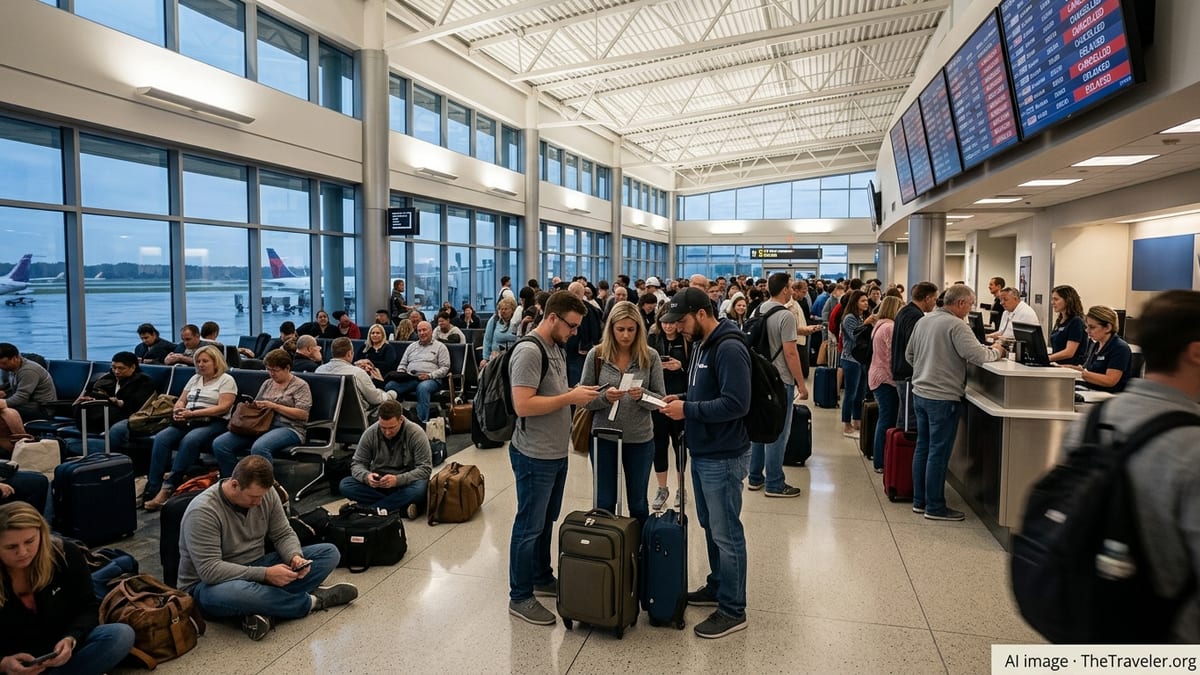
The operational breakdown unfolded at Charleston International Airport as multiple departures were canceled or significantly delayed when scheduled pilots and flight attendants were no longer legally able to operate planned flights or could not reach the airport in time from other cities. Publicly available flight-tracking data and local coverage indicate clusters of same-day cancellations and extended delays on several domestic routes, leaving departure boards showing long lines of red and yellow alerts.
The timing of the disruption compounded the impact. Charleston has reported strong growth in passenger numbers over the past year, with previous coverage noting double-digit increases in traffic during peak holiday periods. That growth has pushed more connections through what has historically been a smaller regional hub, making it more vulnerable when aircraft and crews fall out of position or reach their regulatory duty limits.
Passengers described crowded concourses, long customer service lines and limited available seats on alternative flights as airlines attempted to rebuild schedules. In many cases, rebooked itineraries departed the following day or required multi-stop routings through larger hubs such as Atlanta, Charlotte or Dallas, extending total travel times far beyond original plans.
How Pilot and Crew Rules Can Ground Entire Schedules
A key factor behind the meltdown lies in the strict federal regulations governing pilot and flight attendant work hours. These rules cap how long crews can remain on duty and how much rest they must receive between flights. When delays, weather or upstream cancellations push crews beyond these limits, they become “illegal” to operate further segments, even if an aircraft and passengers are ready to depart.
Industry analyses of previous airline meltdowns have highlighted how quickly these constraints can snowball. When a crew finishes late in another city because of earlier disruptions, the next morning’s departure from a place like Charleston may suddenly have no legal pilots or flight attendants available. If backup crews are also out of position or limited by their own duty clocks, airlines may have no option but to cancel flights or delay them for many hours while personnel are repositioned.
Reports on recent large-scale scheduling crises at major U.S. carriers have also underscored the role of behind-the-scenes technology. Aging or overloaded crew-scheduling systems can struggle to rapidly match available staff with aircraft and routes once the operation becomes irregular. When those systems lag, crews who are technically available may not be assigned efficiently, and passengers experience extended ground delays even when planes and personnel exist somewhere within the network.
National Staffing Strains Expose Regional Vulnerabilities
The Charleston disruption is unfolding against a wider backdrop of staffing and scheduling strain across the U.S. aviation sector. Analyses by transportation researchers and aviation consultants have pointed to persistent pilot shortages, tight rosters of flight attendants and chronic air traffic control staffing gaps as key contributors to more frequent and longer-lasting disruptions.
Over the past several travel seasons, national media and industry reports have documented how even minor storms, software glitches or temporary ground stops can lead to cascading cancellations. When a handful of flights are canceled at large hubs, aircraft and crews may end up scattered across the network in ways that are difficult to untangle quickly. Regional airports like Charleston, which rely heavily on inbound aircraft and rotating crews from hub cities, often feel the effects a day or more after the initial trigger.
Recent government and industry briefings on air traffic control staffing have also emphasized the limited margin in the current system. With fewer fully certified controllers in some facilities and airlines operating dense schedules, there is less flexibility to absorb delays without pushing crews beyond their legal limits. That environment increases the likelihood that a set of delays in one part of the country can, within hours, translate into ground stops and cancellations at an airport several states away.
Stranded Travelers Face Limited Options and Confusing Information
For passengers at Charleston, the practical consequences of the crew crisis were immediate and disruptive. Many travelers reportedly waited in long lines to speak with agents about rebooking, hotel vouchers or alternative routings. Others turned to airline apps and call centers, only to encounter busy signals, slow response times or conflicting information about new departure times.
Travelers affected by pilot and crew-related disruptions frequently discover that their options are narrower than during weather events. When multiple flights on the same route are canceled because there are no legal crews available, airlines may have limited spare capacity on remaining departures. Seats on later flights or on competing airlines can sell out quickly, especially on popular leisure routes where aircraft are already operating near full load.
Consumer advocates routinely advise passengers to move quickly to secure alternative arrangements when widespread disruptions emerge. At Charleston, some travelers reportedly opted for rental cars to reach nearby cities with larger airports or drove to their final destinations when distances were manageable. Others remained dependent on the evolving airline schedule, monitoring apps and airport displays for any sign that a replacement crew had been assigned to their flight.
What the Meltdown Signals for Upcoming Travel Seasons
The events in Charleston add to a growing list of operational breakdowns that have raised questions about the resilience of U.S. airline and airport operations. Analysts examining recent scheduling crises at major carriers have pointed to similar patterns: tight staffing, complex hub-and-spoke networks, aging software, and sustained high demand combine to leave little room for error.
Charleston’s experience may prompt renewed attention to how regional airports and their airline partners plan for crew-related disruptions. Aviation experts have suggested that more robust standby crew pools, faster decision-making tools and clearer passenger communication protocols can help limit the scale of future meltdowns. Investments in more modern scheduling platforms, capable of quickly recalculating legal duty windows and repositioning crews, are also frequently cited as critical to preventing a localized issue from spiraling into a multi-day event.
For travelers, the Charleston episode is another reminder to build extra buffers into itineraries, particularly when connecting through multiple airports or relying on the final flights of the day. As airlines move into busy spring and summer travel periods with a system still carrying tight staffing and infrastructure constraints, even a single pilot or crew scheduling issue at one airport can be enough to upend plans for hundreds of passengers down the line.