

More news on this day
Croatia is heading into a pivotal tourism season in 2026, as record visitor numbers collide with rising costs, tighter regulations and unsettled global conditions that could redefine how the country competes for travelers.
Get the latest news straight to your inbox!
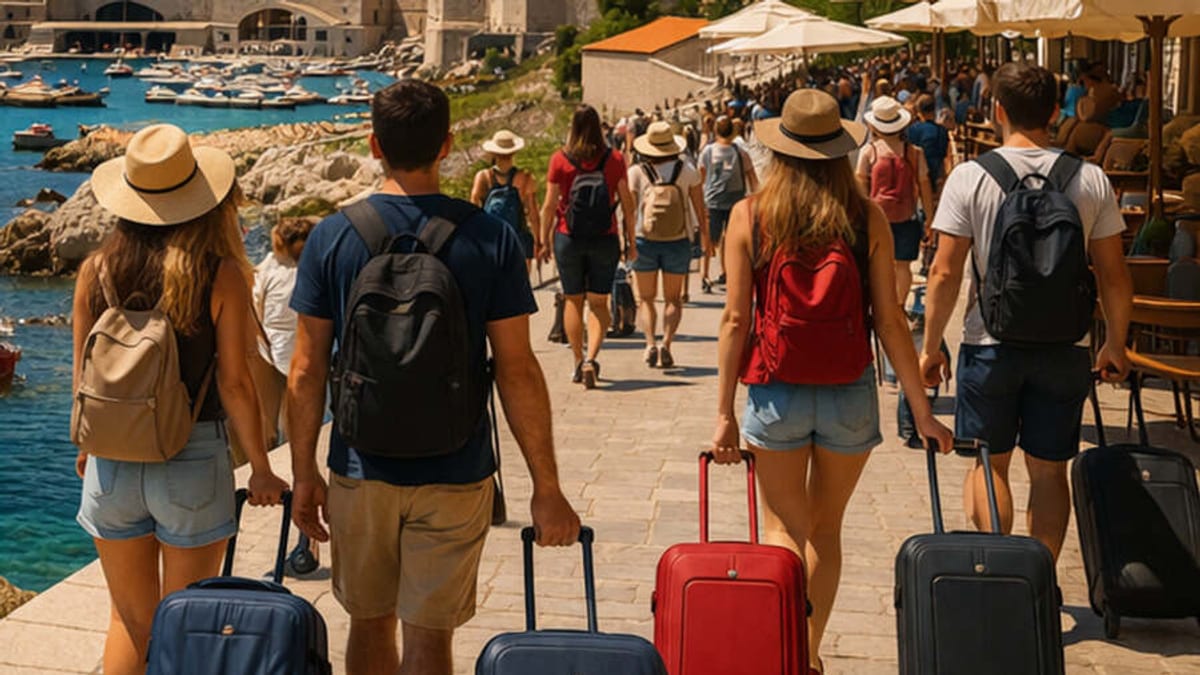
Image by Travel And Tour World
Record Demand Meets a More Cautious Traveler
Published data for recent years shows Croatia consolidating its position as one of Europe’s most tourism-dependent economies, with more than 20 million arrivals and over 100 million overnight stays a year and international revenues comfortably above pre-pandemic levels. Sector analyses for 2023 and 2024 point to steady growth in both visitor volume and spending, reaffirming the Adriatic nation’s status as a prime Mediterranean destination.
At the same time, global tourism patterns are shifting in ways that could reshape Croatia’s visitor mix. Industry research indicates that travelers from key source markets in Western Europe and North America are booking later, opting for shorter peak-season trips and showing greater interest in shoulder-season and multi-country itineraries across the Schengen Area. Croatia’s accession to both Schengen and the euro area in 2023 has further lowered barriers, making it easier to compare prices with rival destinations and to bundle Croatia into wider European trips.
Reports on spending trends suggest that visitors are becoming more price-sensitive. While aggregate tourism revenue has continued to rise, growth rates have begun to moderate, and analysts note that higher accommodation and services prices are prompting some travelers to trade down in category or to shift stays from peak summer to spring and autumn. This season, operators are watching closely to see whether the combination of inflation fatigue and flexible remote work will accelerate these emerging patterns.
Economic Pressures and a Heavier Reliance on Tourism
Tourism already accounts for a substantial share of Croatia’s gross domestic product, and publicly available economic overviews underline how deeply the sector is woven into employment, consumer spending and public finances. With the broader European economy expanding only modestly, tourism has been one of the country’s main growth engines, amplifying the stakes for each summer season.
However, Croatia is also contending with the aftershocks of elevated inflation. Price increases linked to the transition to the euro, higher energy costs and more expensive imports have squeezed household budgets and raised operating costs for hospitality businesses. Analysts of recent retail boycotts and consumer protests in the region have highlighted Croatia’s heavy reliance on tourism as a factor that has contributed to price tensions, particularly in coastal cities where seasonal demand pushes up rents and everyday expenses.
For the tourism sector, these pressures cut both ways. On one hand, higher prices support revenue figures and can fund long-delayed upgrades to infrastructure and services. On the other, persistent cost increases risk eroding competitiveness against nearby destinations on the Adriatic and in Southern Europe that are marketing themselves as better value. This season is emerging as an important test of whether visitors will continue to absorb price rises or begin to redirect travel budgets elsewhere.
Overtourism, New Rules and a Push for Sustainability
Croatia’s success has brought mounting concern about overcrowding in historic centers and fragile coastal environments, with Dubrovnik often cited in international coverage as a symbol of overtourism. Reports describe authorities there tightening cruise ship schedules, limiting the number of vessels and passengers allowed into the old town on a given day, and stepping up management of traffic and parking to relieve pressure on local residents.
Other destinations, including Split and Hvar, have also introduced stricter conduct and dress regulations in their old towns and nightlife districts, accompanied by on-the-spot fines for public drinking or inappropriate clothing. Travel features in European and US media frame these moves as part of a wider regional trend in which popular cities from Venice to the Balearic Islands are introducing new visitor caps, tourist charges and codes of conduct in response to crowding.
Nationally, Croatia has adopted a sustainable tourism development plan and overhauled its tourism legislation to give municipalities greater tools to manage visitor flows and land use. The current season will be one of the first in which these frameworks are fully tested in combination with local rules, as cities experiment with balancing economic gains against quality of life concerns and environmental protection. How visitors respond to stricter rules and messaging about “respectful” travel may help determine whether these measures become a competitive advantage or a deterrent.
Geopolitics, Security Perceptions and Source Market Shifts
The backdrop to Croatia’s tourism season is a global environment marked by ongoing conflict in Ukraine, instability in parts of the Middle East and heightened perceptions of risk in some traditional sun-and-sea destinations. International tourism barometers for 2024 and early 2025 have noted that travelers are continuing to return in large numbers despite geopolitical tensions, but patterns of demand are evolving.
Travel trade reports suggest that Croatia, like several other Mediterranean countries viewed as relatively stable, may be benefiting from some diversion of demand away from destinations closer to active conflict zones. At the same time, higher airfares linked to fuel costs and capacity constraints are influencing long-haul travel decisions from North America and Asia, key growth markets for Croatia in recent years. Package operators and cruise lines are adapting itineraries and pricing as they monitor booking curves into summer.
Security perceptions and diplomatic developments can shift quickly, introducing additional uncertainty for a country that depends heavily on foreign arrivals. For Croatia, this season will help reveal whether its brand as a safe, accessible and relatively affordable European destination is strong enough to offset global volatility, or whether broader geopolitical risk will start to weigh more heavily on long-haul bookings and last-minute travel decisions.
Investments, Diversification and the Search for Higher Value
Against this mixed backdrop, Croatia is investing in ways to move beyond a model dominated by short, peak-summer coastal stays. Official strategies and marketing plans emphasize higher-value segments such as cultural tourism, gastronomy, active and nature-based travel and nautical tourism, along with efforts to draw visitors to lesser-known inland regions.
Data from recent visitor surveys indicates a gradual uptick in average length of stay and spend among certain segments, including digital nomads and remote workers attracted by Croatia’s residence options and relatively strong connectivity. Industry observers point to growing interest in secondary cities and rural areas, where local authorities and entrepreneurs are developing boutique accommodation, agritourism experiences and year-round events aimed at smoothing seasonal peaks.
At the same time, the sector faces labour shortages, housing pressures for workers and the need for significant investment in transport, waste management and energy infrastructure to keep pace with demand. Hoteliers and rental operators are under pressure to modernize properties and adopt more sustainable practices, while municipalities seek new revenue tools that can fund public services without deterring visitors. How Croatia manages these intertwined challenges during the coming season will help determine whether its tourism boom can be steered toward a more resilient and balanced future.