

More news on this day
Croatia is recording some of its strongest tourism numbers on record, as visitors from Europe and long-haul markets increasingly choose the Adriatic nation as a haven of stability and serenity in an era of geopolitical tension and economic uncertainty.
Get the latest news straight to your inbox!
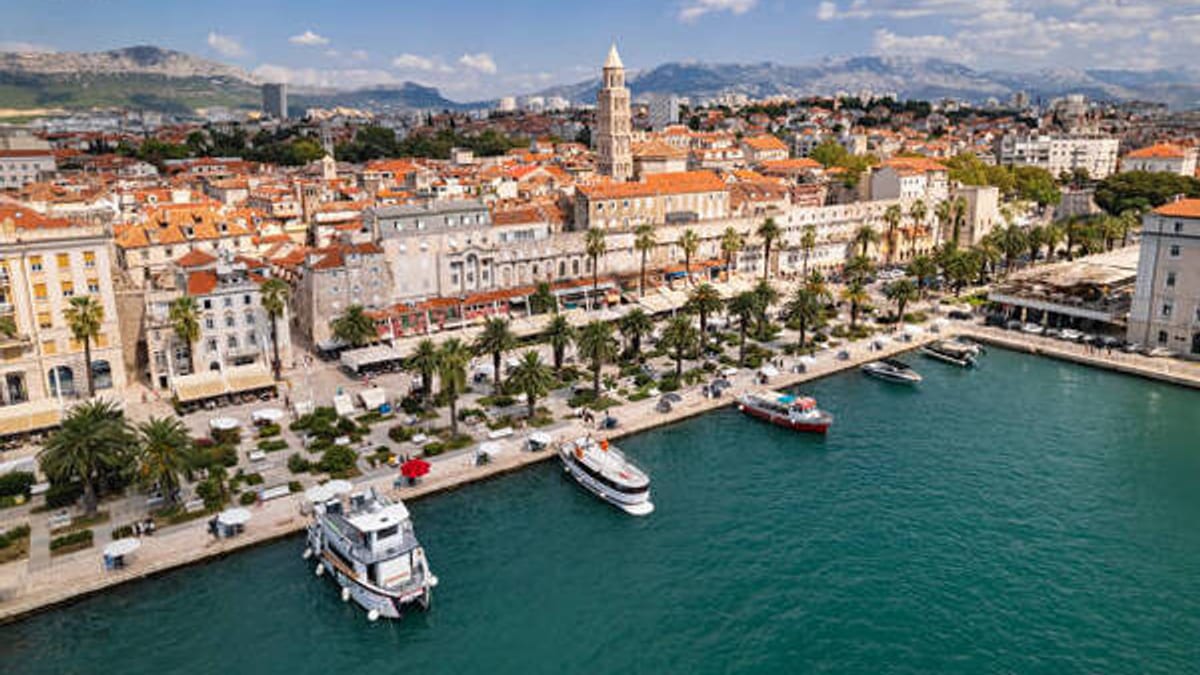
Image by Latest International / Global Travel News, Breaking World Travel News
Record Arrivals Underscore Croatia’s Rising Appeal
Recent data and sector analyses indicate that Croatia has moved beyond its post‑pandemic recovery phase into a period of sustained expansion in tourist arrivals and overnight stays. International visitor numbers surpassed pre‑2019 records in 2023 and continued to grow through 2024 and 2025, with various statistical releases pointing to more than 20 million foreign tourists annually and steady year‑on‑year gains in overnight stays. Analysts describe this as an unprecedented stretch of growth for a country of fewer than 4 million residents, where tourism already accounts for a sizeable share of gross domestic product and employment.
Figures compiled by Croatian and European institutions show that coastal regions are driving much of this upswing. The Adriatic counties consistently rank among the most in‑demand destinations in the European Union for short‑stay accommodation booked via online platforms, with tens of millions of nights sold each peak season. Several major coastal cities, including Split and Dubrovnik, have reported record overnight stays, confirming Croatia’s position as one of Europe’s most visited summer destinations.
Domestic tourism is also contributing to headline growth. Reports indicate that residents are travelling more frequently within the country, attracted by new boutique hotels, upgraded heritage properties and investment in inland wellness and nature tourism. This combination of foreign and domestic demand has helped Croatia maintain momentum even when individual source markets soften, reinforcing perceptions of resilience at a time when other Mediterranean destinations are experiencing more volatile swings.
Global Uncertainty Pushes Travelers Toward Perceived Safe Havens
The latest tourism results are unfolding against a backdrop of persistent global geopolitical crisis, including the ongoing war in Ukraine, heightened tensions between major powers and periodic instability in parts of the Middle East and North Africa. Travel industry commentary suggests that many holidaymakers are recalibrating their plans toward destinations viewed as politically stable, physically safe and logistically straightforward. Croatia, a member of both the European Union and NATO, is increasingly perceived as fitting this profile.
Publicly available information from foreign ministries and travel advisories generally characterizes Croatia as a low‑risk destination for tourists, with standard cautions focused on road safety and seasonal crowding rather than armed conflict or terrorism. This contrasts with advisories for some other traditionally popular sun‑and‑sea destinations that have been affected by regional tensions or domestic unrest. For risk‑averse travelers or families planning ahead, that relative sense of calm can be decisive.
Industry observers note that the country’s own response to the evolving security environment has underscored a narrative of preparedness without visible disruption to daily life in tourist areas. Policy decisions such as strengthening defense capabilities have taken place alongside record summer seasons on the coast, reinforcing the impression that Croatia remains removed from the direct impacts of the conflicts dominating global headlines. For many visitors, the Adriatic setting is perceived as a refuge where broader anxieties recede, at least temporarily.
Schengen and Euro Adoption Streamline Access and Spending
Croatia’s integration milestones in 2023, when it joined both the Schengen area and the eurozone, are widely seen as structural factors behind the latest surge in arrivals. By removing internal border checks with neighboring Schengen states and adopting the common European currency, the country has significantly simplified travel logistics for millions of visitors from elsewhere in the bloc. Travelers can now drive, sail or fly into Croatia from most EU countries without routine passport controls and without the need to exchange currency.
Reports from European institutions and regional media highlight that the combination of Schengen entry and euro adoption has shortened queues at land borders, reduced transaction frictions and facilitated price comparisons. For budget‑conscious visitors, being able to benchmark Croatian accommodation and restaurant costs directly against neighboring eurozone destinations provides added transparency. For businesses, the disappearance of exchange‑rate risk is cited as an important incentive for investment in new hotels, marinas and tourism infrastructure.
These changes appear to have been particularly influential for short‑break and repeat travel from nearby markets such as Slovenia, Austria, Germany and Italy. Weekend and shoulder‑season trips have become easier to organize, broadening demand beyond the traditional July and August peaks. As a result, coastal cities and islands are registering more even occupancy curves, while continental regions benefit from an extended season of city breaks, wellness stays and wine tourism.
New Markets and Higher Spending Lift the Tourist Economy
While European visitors still account for the bulk of arrivals, Croatia is experiencing robust growth from long‑haul markets seeking a safe and distinctive European destination. Sector news reports point to a sharp rise in arrivals from North America, supported by direct seasonal flights, targeted marketing campaigns and growing word‑of‑mouth about the country’s perceived safety and natural beauty. Travel industry data for 2025 show double‑digit percentage increases in both arrivals and overnight stays from the United States, suggesting that Croatia is consolidating its position on transatlantic itineraries.
At the same time, fiscal and tax records indicate that tourism revenues are growing faster than raw visitor numbers. Higher average daily spending is being driven by an expansion of high‑end accommodation, yacht charters, gourmet restaurants and experiential tours that appeal to travelers with greater purchasing power. Boutique properties in restored stone townhouses, wellness resorts in inland spa towns and small‑group excursions to national parks are capturing demand from visitors seeking quieter, more curated experiences.
Analysts emphasize that this qualitative shift is important for a small country with limited carrying capacity on parts of its coastline. By prioritizing higher‑value tourism rather than simply pursuing volume, Croatia aims to preserve the very attributes that attract visitors in the first place, including unspoiled landscapes, historic townscapes and a slower pace of life. In the current geopolitical climate, these characteristics are increasingly marketed as an antidote to global stress and volatility.
Balancing Growth With Sustainability and Local Concerns
The rapid expansion of tourism has also raised familiar questions about sustainability, infrastructure pressure and quality of life for residents. Public debate in Croatia and coverage in European media highlight concerns about congestion in old towns, rising housing costs linked to short‑term rentals and environmental impacts on coastal ecosystems. These issues mirror discussions in other European hotspots, from Spain and Portugal to Greece.
Policy documents and strategic plans released by Croatian authorities call for a more balanced development model that strengthens tourism in lesser‑known inland regions, disperses visitor flows across the calendar year and encourages investment in green infrastructure. Initiatives range from promoting national parks and rural cycling routes to supporting cultural events outside the peak season in smaller cities. The aim is to ensure that tourism remains an engine of growth rather than a source of social tension.
For now, the country’s tourism indicators suggest that Croatia is managing to convert global uncertainty into opportunity, offering travelers a combination of accessibility, perceived safety and restorative landscapes. As geopolitical crises continue to reshape travel preferences worldwide, the challenge for Croatia will be to maintain its image as a tranquil refuge while protecting the coastal and cultural heritage that underpins its unprecedented tourism boom.