

More news on this day
Cruise-and-stay holiday packages are accelerating across major markets as travellers look for seamless ways to blend resort-style days at sea with curated city breaks, reshaping how high-end tourists plan and pay for long-haul escapes.
Get the latest news straight to your inbox!
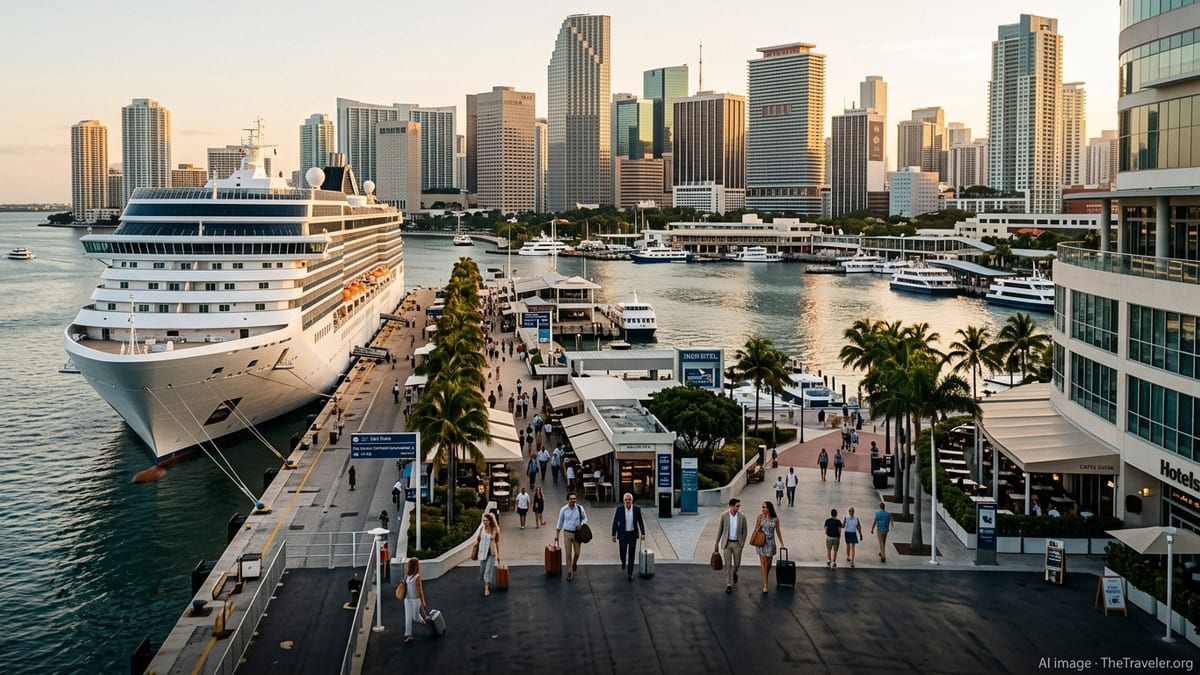
Cruise Lines Turn Turnkey City Stays Into a Growth Engine
Major cruise brands are investing heavily in bundled hotel and transfer products that extend voyages into multi-stop, land-and-sea itineraries. Publicly available information from cruise operators shows that pre- and post-cruise hotel packages are now widely offered in hubs from Miami and New York to Athens, Seattle and Dubai, targeting travellers who want a single booking that covers both ship and city.
One of the most expansive examples is MSC Cruises’ Stay and Cruise program, which packages seven-night sailings with two or more hotel nights, private transfers and a guided city experience in embarkation ports including Piraeus, Istanbul, Miami, New York and Seattle for departures from winter 2025 onward. The program, which has been iterated in Europe and North America, is positioned as a way to turn what was once a one-night stop into a longer urban stay without the complexity of piecing together separate reservations.
Other large brands are also leaning into the model. Royal Caribbean highlights hotel programs in regions such as Alaska, the Arabian Gulf, Asia and Europe, framing them as an easy way to “arrive early or stay longer” by bundling accommodation, transfers and cruise elements. Industry reports indicate that smaller and premium lines are following suit with pre- and post-cruise extensions in marquee cities, often tied to cultural touring, wine regions or golf.
Analysts tracking cruise earnings note that these land components support higher overall trip value and encourage guests to add nights rather than shorten itineraries. As ships grow larger and ports compete for embarkation traffic, city tourism boards and hotels view bundled stays as a strategic way to capture more visitor nights and spending around cruise terminals.
Sea-to-City Luxury Rises as Travellers Seek Effortless Itineraries
Demand for integrated cruise-and-stay products is being driven by travellers who want long-haul trips that feel immersive but not logistically complex. Travel trade coverage and booking data point to strong uptake among North American and European guests booking Mediterranean, Caribbean and transatlantic sailings that start or end in iconic cities such as Venice, Barcelona, Athens and Istanbul.
In many cases, cruise-and-stay packages are marketed as “effortless Europe” or “hassle-free city and cruise” experiences, bundling airport transfers, baggage handling, breakfast-inclusive hotels and one key sightseeing tour. MSC’s Stay and Cruise offers, for example, typically include a guided excursion or attraction pass so that guests can see major sights in a structured way before boarding or after disembarkation, reducing the need for independent planning.
Travel advisors report that this model resonates with multigenerational families and first-time international cruisers, who may be uncomfortable navigating unfamiliar transport systems with luggage in tow. By consolidating suppliers behind a single brand, cruise companies are able to reassure guests about service standards while using local partners for ground operations.
The approach is also gaining traction among time-poor professionals booking shorter sailings. Long weekend itineraries that pair a three- or four-night cruise with two hotel nights in a marquee gateway city appeal to travellers who want a concentrated dose of both urban discovery and shipboard relaxation within a single week off work.
Hotel, Casino and Loyalty Tie-Ups Deepen Seamless Experiences
Beyond traditional pre- and post-cruise hotel blocks, cruise operators are expanding their reach through partnerships with global hospitality and gaming brands. In February 2026, MSC Cruises announced a new relationship with Wynn Las Vegas that integrates annual cruise benefits into the Wynn Rewards loyalty program, positioning cruise travel as a core redemption option for high-value casino guests. Public documents on the partnership describe preferred pricing, complimentary staterooms and access to MSC’s Yacht Club ship-within-a-ship suites for top-tier members.
Such collaborations signal a broader move toward cross-portfolio travel ecosystems where a guest’s casino, resort or airline status can unlock enhanced cruise experiences and vice versa. Loyalty program specialists observe that cruise-and-stay bundles are particularly well suited to these strategies, as they create multiple earning and redemption moments across both sea and land components of a trip.
Hotel ties are not limited to casino brands. Cruise and travel agency platforms increasingly promote packages that combine mainstream hotel chains with specific departures, while some cruise lines participate in arrangements that allow hotel loyalty members to earn or redeem points on sailings booked through dedicated portals. These layered benefits turn a single holiday into a way to accelerate status across several travel programs.
For upscale travellers, the result is a more continuous sense of luxury, from club lounges at embarkation airports to concierge floors in city hotels and private enclaves on board. Industry observers note that this continuity is a key selling point at the top end of the market, where guests expect seamless recognition and premium touchpoints throughout their journey rather than a patchwork of disconnected experiences.
Destinations and Ports Compete to Capture Extended Stays
The growth of cruise-and-stay holidays is reshaping how destinations plan for cruise tourism. Cities that once viewed ships primarily as providers of day visitors are now working with cruise companies and tour operators to develop short-stay products that encourage overnight or multi-night visits. Mediterranean ports such as Piraeus, Venice Mestre and Istanbul feature prominently in current stay-and-cruise lineups, while North American gateways including Miami, New York and Seattle are positioning themselves as city-break and cruise hubs.
Destination marketing organisations are responding with bundled experiences that fit neatly into pre- and post-cruise windows. Common inclusions range from museum passes and historic walking tours to culinary evenings and nearby countryside excursions, all scheduled around embarkation and disembarkation times. This enables cruise guests to sample local culture while still operating on a timetable dictated by sailing schedules and flight connections.
For ports, the economic stakes are significant. Overnight visitors typically spend more than same-day passengers on dining, shopping and attractions, while hotel stays generate additional tax revenue. As a result, travel trade publications highlight a growing willingness among city authorities, tourism boards and private operators to collaborate on infrastructure and product development that makes it easier for cruise lines to add multi-night extensions.
Competition is particularly intense in regions where several ports vie to be the primary embarkation point for a popular itinerary. Being included in a major cruise line’s official stay-and-cruise program can shift visitor flows toward one city over another, prompting investments in hotels near terminals, upgraded airport links and dedicated cruise transfer services.
What Travellers Should Expect From Cruise-and-Stay Packages
For consumers, the rapid expansion of cruise-and-stay options brings both convenience and complexity. Package inclusions vary widely by line and destination, but typically cover a set number of hotel nights, breakfast, port or airport transfers and at least one city tour or flexible attraction pass. Some brands offer multiple length options, such as two or three-night stays, to match flight schedules and guest preferences.
Pricing is generally positioned as a premium compared with sourcing all components independently, but travel advisors and comparison sites note that the uplift often reflects the value of private transfers, baggage handling and curated excursions. In some markets, introductory offers and launch promotions for new stay-and-cruise routes provide discounts or added-value elements such as extra tours or onboard credit.
Experts recommend that travellers reviewing these packages pay close attention to hotel categories, locations and cancellation terms, which can differ from those of the cruise itself. As cruise lines rely on local partners for land arrangements, travellers may encounter brand names they do not immediately recognise, making independent research into hotel standards and neighbourhoods advisable.
Despite these caveats, industry data suggests that integrated sea-to-city products are likely to grow as a share of cruise bookings over the next few years. With major lines layering on loyalty partnerships, city collaborations and premium experiences, cruise-and-stay holidays are moving from a niche add-on to a central part of how many travellers experience global tourism.