

More news on this day
Cruise passengers have long complained about dark, windowless cabins and confusing stateroom labels, and now major lines are quietly overhauling their ship designs to give guests more light, smarter layouts and clearer expectations about what they are booking.
Get the latest news straight to your inbox!
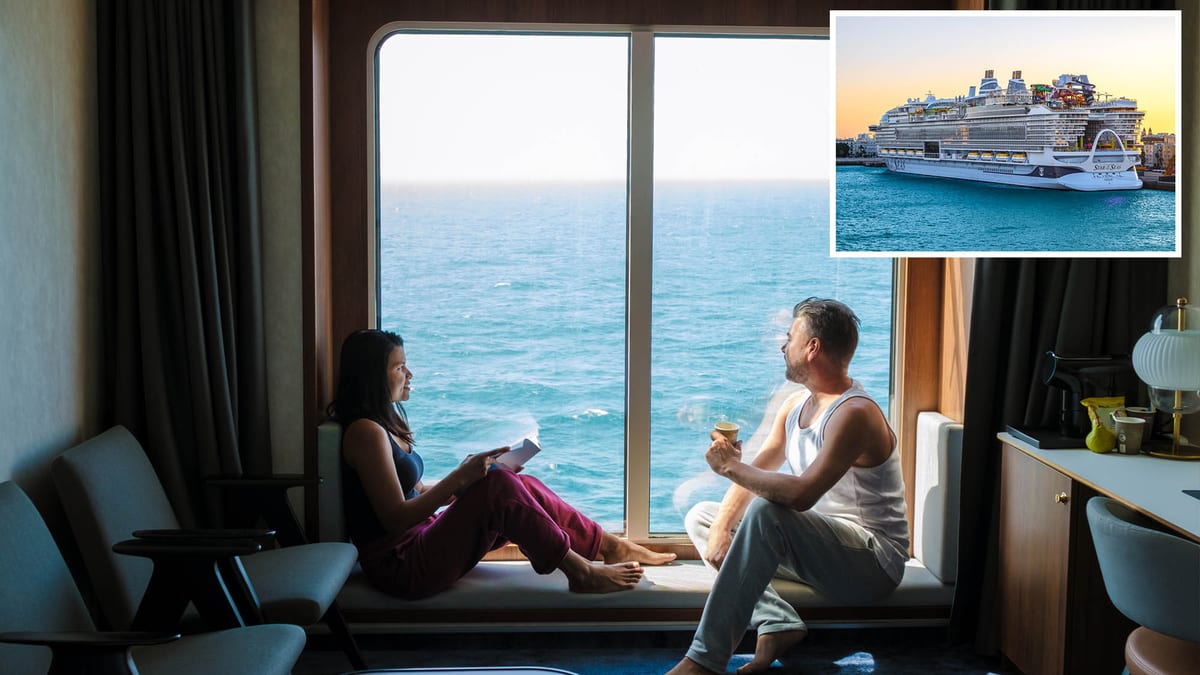
Image by Travel News – Tourism Tips, Guides & Deals | New York Post
From Dark Interiors to Digital “Balconies”
One of the most visible shifts at sea is the spread of technology meant to solve an old problem: inside cabins with no natural light. Several newer ships now feature so-called virtual balconies, where a floor-to-ceiling high-definition screen streams a live view from cameras mounted outside the vessel. The concept, first widely noticed on Royal Caribbean’s Quantum-class ships, is now appearing on more itineraries as lines seek to make the cheapest cabins feel less closed in.
Publicly available descriptions of these staterooms emphasize that they remain interior rooms, without opening windows, but promise a more spacious feel and a visual connection to the ocean. Real-time video feeds, ambient sound and simulated railings are designed to mimic the experience of a true balcony, while still keeping the price point closer to a standard interior cabin.
Industry guides and marketing materials note that, for some travelers, the upgrade from a traditional inside room to a virtual-view cabin can make the difference between feeling shut in and feeling able to orient themselves to time of day and weather conditions. Others remain unconvinced, arguing that the screens cannot replace fresh air and that the technology can introduce humming or light bleed at night.
Despite mixed reactions, the virtual balcony concept signals a broader recognition within the cruise sector that the old model of windowless interiors no longer satisfies many modern travelers, especially first-time cruisers accustomed to light-filled hotel rooms on land.
Confusing Cabin Labels Spark Backlash
Passenger frustration is not limited to the lack of windows. In recent years, online forums and consumer travel sites have cataloged complaints from guests who discovered that the “balcony” or “ocean view” cabin they booked was not what they expected. Some cabins sold as balconies are enclosed behind glass with a public promenade or deck in front, limiting privacy and creating a feeling closer to a large window than a private veranda.
Similarly, some rooms categorized as interior cabins actually feature portholes or picture windows with heavily obstructed views. While these can offer natural light at a lower price than full ocean-view cabins, travelers have reported confusion about what exactly they are getting, particularly when descriptions are brief or rely on unfamiliar category codes.
Travel planning guides now advise would-be cruisers to check deck plans and independent cabin photos carefully, warning that marketing labels such as “interior with picture window” or “infinite veranda” can conceal meaningful trade-offs. Location near busy promenades, lifeboats or public walkways can introduce higher noise levels or reduced privacy, even in cabins marketed as upgrades.
As these complaints have become more visible online, some cruise lines have begun to refine their cabin category names and add clearer notes about obstructed views or inward-facing windows. The changes are incremental, but they reflect growing pressure to align marketing language with the actual onboard experience.
New Ships Prioritize Light, Space and Outlets
New-build ships entering service in the past few seasons show how passenger feedback is shaping cabin design more broadly. Several high-profile vessels now feature a higher percentage of balcony cabins, larger standard stateroom footprints and more flexible furniture arrangements aimed at making small spaces feel less cramped.
Recent ship reviews highlight an emphasis on multiple power outlets and USB ports, responding to a common complaint that older cabins lacked charging options for phones, tablets and medical devices. Designers are also experimenting with built-in storage, under-bed luggage space and sliding doors to maximize usable floor area.
Some lines have moved away from entirely windowless accommodation on new premium ships, opting instead for a mix of balcony and full ocean-view cabins. This reduces the number of the darkest interior rooms, though it can also push entry-level prices higher. Other brands are retaining traditional interiors but adding virtual-view technology or softer lighting schemes to make them more appealing.
According to recent planning guides, cabin design has become a key selling point in marketing campaigns, with renderings and photo tours focusing heavily on natural light and functional layouts. For cost-conscious travelers, this means a wider range of choices, but also a more complex decision process when comparing ships and cabin types.
Accessibility and Noise Concerns Drive Layout Changes
Complaints related to noise and accessibility are also influencing how cabins are arranged within ships. Passengers who unwittingly book rooms directly below pool decks, nightclubs or busy walkways often report late-night disturbances, while others discover that adjacent public spaces reduce privacy on so-called premium balconies.
In response, consumer advocates and cruise planning resources have started publishing detailed lists of “cabins to avoid,” highlighting staterooms near high-traffic or high-noise areas. This information appears to be pushing lines to reconsider where they place certain cabin categories, and to design newer ships with better acoustic insulation between public venues and sleeping areas.
Accessible cabins are receiving more attention as well. Recent ship specifications show expanded interior and balcony cabins with wider doorways, step-free bathrooms and additional maneuvering space for wheelchairs or mobility aids. While accessible inventory remains limited, design changes suggest that cruise operators are working to balance revenue-generating cabin density with legal requirements and rising expectations from travelers with disabilities.
Some new deck plans also feature clusters of family cabins and connecting staterooms arranged to minimize hallway congestion and late-night door slamming, another frequent complaint in older layouts. These tweaks may seem minor, but they contribute to a quieter experience for guests who prioritize rest over round-the-clock activity.
What Travelers Should Watch for When Booking
For travelers considering a cruise in 2026 and beyond, the evolving cabin landscape presents both opportunities and pitfalls. Virtual balconies and reimagined interior cabins can provide a more affordable way to enjoy a sense of connection to the sea, but they are not a substitute for true outdoor space.
Consumer travel sites recommend that passengers focus less on category names and more on concrete details: whether a window opens, how much of the view is obstructed, what is located directly above and below the cabin, and how close it is to busy public areas. Independent photos and deck plans can help fill in gaps left by marketing language.
The recent wave of design changes indicates that cruise lines are listening to years of passenger feedback about dark rooms, misleading labels and noisy locations. At the same time, the diversity of cabin concepts means that no single solution will suit every traveler, and the onus remains on guests to research carefully before they book.
As new ships launch and older vessels undergo refits, passengers can expect continued experimentation with cabin technology, layouts and pricing tiers. The industry’s challenge will be to address long-standing complaints without creating new forms of confusion over what, exactly, counts as a balcony or a room with a view.