

More news on this day
Days of rolling blackouts, empty fuel pumps and grounded flights are plunging Cuba into its deepest travel disruption in decades, as a U.S. oil blockade collides with an already fragile economy and aging power grid in early 2026.
Get the latest news straight to your inbox!
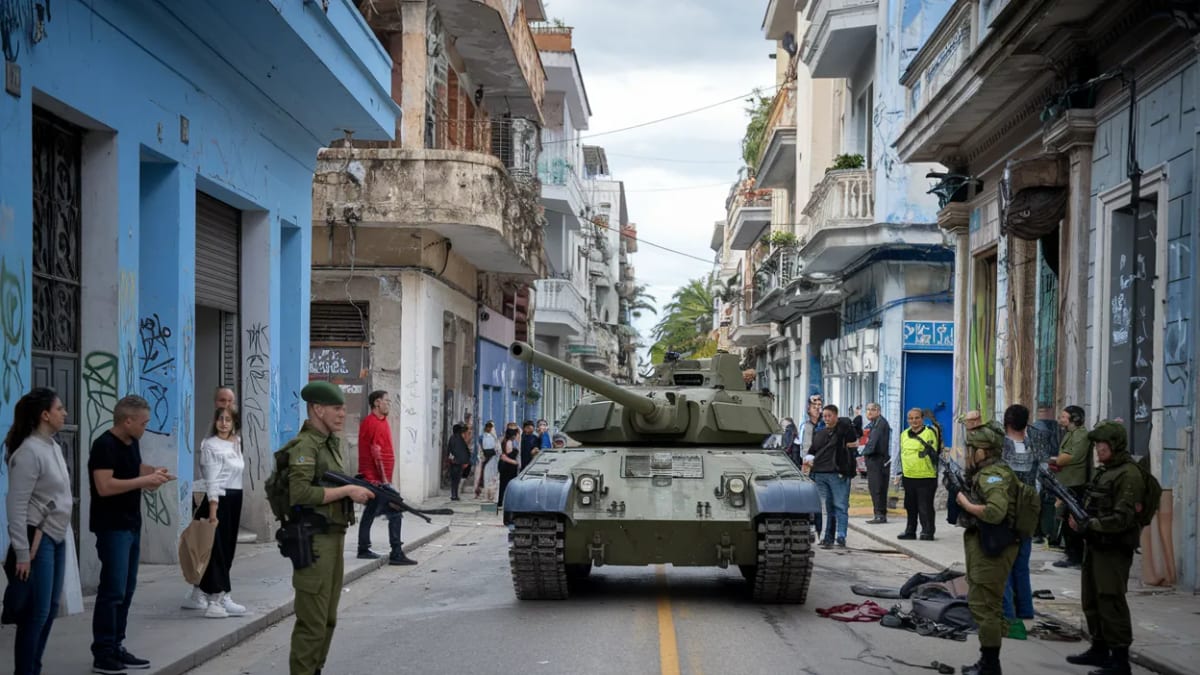
Image by Global Travel Alerts, Advisories, International Travel Alerts
Islandwide Blackouts Expose a Fragile Power Grid
Cuba has suffered multiple nationwide blackouts in March 2026, with large swaths of the island periodically left without electricity for hours or even days. Publicly available information describes a power system pushed past breaking point, where a single failure at an aging thermoelectric plant can trigger a cascading collapse of the grid.
Energy reports point to a combination of chronic underinvestment, dependence on Soviet era plants and the sudden tightening of external fuel supplies as key drivers of the current breakdown. Since 2024, intermittent outages had already become a fact of life, but the frequency and duration of cuts this year mark a new phase in the crisis.
In many towns, electricity is reportedly limited to short “windows” of a few hours, forcing residents and visitors alike to cook, charge devices and pump water on a tight schedule. Images shared by international media show Havana neighborhoods in darkness, with only hospitals and critical infrastructure kept online through emergency generators and so called micro grids.
For visitors who expected Caribbean sunsets and air conditioned hotel rooms, the reality has been nights lit by candles and long queues at any building that still has functioning power.
U.S. Oil Blockade Squeezes Fuel and Air Connectivity
The energy collapse is tightly linked to a U.S. policy shift that has sharply restricted Cuba’s access to foreign oil since January 2026. Analysis by regional observers notes that Washington’s measures have targeted shipments from traditional suppliers and warned third countries against refueling the island, creating what Cuban commentators and several international outlets describe as an effective oil blockade.
Oil tankers once bound regularly for Cuban ports have largely vanished from tracking maps in recent months, replaced by sporadic, politically sensitive deliveries that generate global headlines. Recent coverage highlights the exceptional nature of a single sanctioned Russian tanker now permitted to deliver crude to Cuba, underscoring how rare large scale fuel arrivals have become.
The result is a steep decline in fuel available for power generation, transportation and aviation. Reports on the aviation sector state that domestic and international carriers have reduced frequencies, consolidated routes and, in some cases, temporarily suspended services to Cuban destinations. Airlines are reportedly reluctant to schedule new flights into an environment where guaranteed refueling cannot be assured.
For travelers, this translates into last minute cancellations, missed connections and longer layovers, as well as uncertainty about how or when they can leave the island if conditions worsen further.
Tourism Lifeline Buckles Under Power Cuts and Shortages
Cuba’s tourism industry, already weakened by several years of economic strain, is bearing the brunt of the 2026 energy emergency. Industry focused publications describe a sharp decline in international arrivals through late 2025 and early 2026, with power and fuel shortages now turning a slow slump into a full blown crisis.
Resort areas that once marketed all inclusive comfort are grappling with intermittent electricity, unreliable air conditioning and disruptions to water supply. Hotel operators and guesthouse owners report difficulties keeping food refrigerated, maintaining Wi Fi and operating basic services when generators cannot be reliably fueled. Some have reportedly shortened operating hours or temporarily closed sections of their properties.
Travel trade outlets note a rise in complaints from visitors who encountered multi day blackouts, limited menu options and canceled excursions due to fuel rationing. Tour companies have scaled back itineraries as intercity bus services are cut and domestic flights are reduced, making it harder to maintain schedules that once linked Havana, beach resorts and interior cultural destinations in a single trip.
Several analyses warn that these compounding disruptions threaten hard currency earnings at a moment when tourism is one of the few remaining pillars of the Cuban economy. The loss of visitor spending has a ripple effect on private restaurants, taxi drivers, guides and small rental businesses that depend heavily on foreign guests.
Travelers Face New Risks, From Airport Delays to Basic Services
For those still planning a trip to Cuba in 2026, the crisis has shifted risk calculations in ways that go beyond typical Caribbean weather or seasonal demand. Travel advisory sites increasingly emphasize that visitors may encounter long power cuts, fluctuating water pressure and inconsistent air conditioning, even in higher end properties.
Air travel is particularly vulnerable. Fuel scarcity can lead to schedule changes with little warning, leaving passengers stranded for hours in terminals affected by the same blackouts that afflict the rest of the island. Reports from recent travelers and tourism monitors describe delayed departures, rerouted aircraft and occasional diversions when local conditions deteriorate.
On the ground, limited public transportation forces hotels and tour operators to improvise transfers using whatever vehicles and fuel are available. This can mean fewer organized excursions, shorter operating hours at attractions and higher costs for private taxis. In rural areas, suspended bus routes and diesel shortages have left some communities with minimal connectivity, narrowing the range of realistic travel itineraries.
Health and safety briefings by international organizations also stress the indirect effects of the energy crisis: fragile cold chains for medicines, stressed hospital systems and growing food insecurity. While many visitors still complete their trips without serious incident, the margin for error in case of illness or emergency is slimmer than in previous years.
Uncertain Outlook as Limited Relief Arrives
Despite the bleak picture, there are tentative signs of partial relief. Humanitarian convoys backed by civil society groups have begun reaching Cuba with food, medicine and small scale energy equipment such as solar panels. Recent reports also highlight the arrival or pending arrival of a handful of foreign fuel shipments allowed through under specific exemptions, which could offer short term breathing space for the grid.
Energy analysts caution, however, that these deliveries are modest compared with the island’s overall needs. Estimates suggest that a single large tanker might power Cuba for only a few weeks at current consumption levels, and much of that fuel must be reserved for hospitals, water systems and essential services before tourism or broader economic activity can be stabilized.
Longer term solutions, such as expanding renewable generation and overhauling decaying power plants, are likely to take years, not months. In the meantime, observers expect continued rationing, further rolling blackouts and a highly volatile environment for foreign visitors and local businesses alike.
For now, Cuba in early 2026 presents a stark contrast to the postcard image long used to market the island abroad. Travelers weighing a visit are being urged by travel information services to monitor advisories closely, prepare for significant disruptions and understand that the island’s celebrated hospitality is unfolding in the middle of an unprecedented energy and travel emergency.