

More news on this day
A deepening jet fuel shortage in Cuba is rippling across the Caribbean travel market, forcing airlines to suspend services, disrupting package holidays and casting serious doubt over thousands of Spring 2026 vacations.
Get the latest news straight to your inbox!
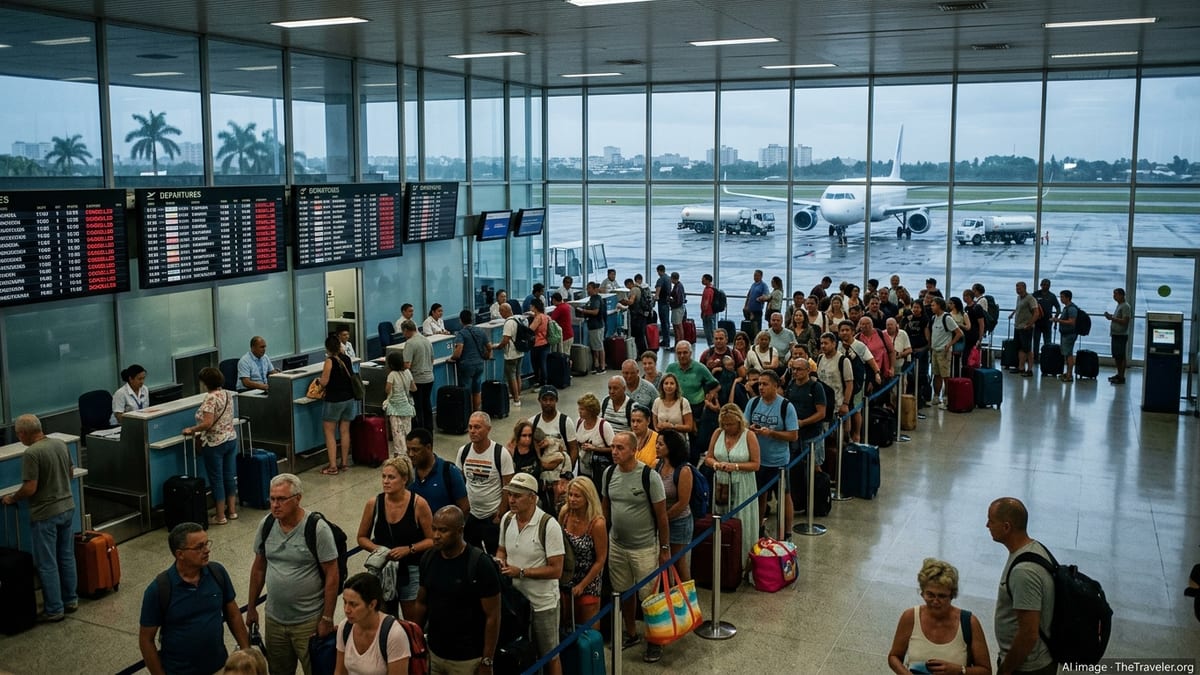
Jet Fuel Runs Dry as NOTAMs Signal an Aviation Emergency
In early February 2026, a series of aeronautical notices warned that Jet A-1 aviation fuel would not be available at major Cuban airports, including Havana’s José Martí International, for at least a month. The alerts, circulated through industry channels, effectively signaled that aircraft landing in Cuba could no longer rely on local refueling, instantly reshaping the island’s air connectivity.
Publicly available information indicates that the shortage is tied to a broader fuel and energy crunch that has plagued Cuba since 2024, now intensified by restrictions on oil supplies and an already fragile economy. The country has grappled with rolling blackouts, transport disruption and pressure on essential services, leaving aviation particularly exposed once jet fuel stocks fell to critical levels.
By mid-March 2026, reports from aviation trackers, travel operators and regional media depict a system under severe strain. Airlines that had continued to operate by tankering extra fuel from foreign hubs are increasingly trimming schedules, rerouting services through other Caribbean airports and, in many cases, cancelling flights altogether rather than risk last-minute operational disruption.
The fuel emergency arrives just as the winter high season transitions into the busy Spring Break and Easter period, when demand from North America and Europe typically peaks. That timing has magnified the impact on travelers, tour operators and resort communities that depend heavily on tourism spending.
Airlines Suspend Cuba Routes as Cancellations Mount
Published coverage from Canadian and European outlets shows that carriers serving Cuba have moved rapidly from schedule adjustments to outright suspensions on many routes. A number of Canadian airlines announced in early February that they would suspend flights to Cuban destinations through at least April 30, citing the severe aviation fuel shortage and the operational uncertainty it created at island airports.
Travelers posting updates through public forums and tour company advisories describe waves of cancellations hitting popular holiday gateways such as Varadero, Cayo Coco and Holguín. Several vacationers report receiving last-minute notifications that March and early April departures were scrapped, often accompanied by offers of refunds, future travel credits or rebooking options to alternative sun destinations.
European connectivity is also being reshaped. Industry bulletins indicate that some carriers have shifted to technical stops in Mexico or the Dominican Republic to refuel, while others have trimmed their Cuba programs or removed the island from their near-term schedules. This has left a patchwork of limited services rather than the dense network of leisure flights seen in recent pre-crisis seasons.
Smaller regional and charter operators, which lack the flexibility of large fleets or multiple hubs, appear particularly vulnerable. The inability to guarantee fuel on arrival complicates aircraft rotations, crew planning and maintenance, pushing some operators to pause Cuban operations altogether until fuel supplies stabilize.
Tourism Hotspots Face Sudden Lull at Peak Season
The jet fuel crunch is hitting just as Cuba’s coastal resorts would normally be gearing up for a lucrative spring. Towns such as Varadero and the cayo island chains are heavily dependent on all-inclusive packages from Canada and Europe, with visitor arrivals flowing in on tightly scheduled charter flights.
Tourism analysts note that even short interruptions in air capacity can quickly ripple through local economies. With flights suspended or severely reduced, hotels face lower occupancy, excursion providers see bookings evaporate, and seasonal workers contend with fewer hours and tips. For destinations already managing the effects of earlier fuel shortages and power cuts, the aviation shock adds yet another layer of uncertainty.
Reports from travelers on the ground suggest a mixed picture. Some who arrived before the tightest restrictions went into effect describe relatively normal resort operations but express concern about their ability to depart on schedule if return flights are rescheduled or consolidated. Others say they have been advised by tour companies to consider changing dates or shifting to different Caribbean islands altogether.
The reduced flow of visitors may also have longer-term reputational effects. Cuba has worked to position itself as a reliable, value-oriented destination for North American and European holidaymakers. A high-profile fuel crisis that strands passengers or forces last-minute trip overhauls risks undermining that message at a sensitive time for the global travel industry.
Spring Break and Easter Holiday Plans in Limbo
For many travelers in the United States, Canada and Europe, the Cuba jet fuel crisis has upended carefully laid plans for March and April getaways. Package holidays booked months in advance, often timed around school breaks and long weekends, are now subject to change as airlines and tour operators reassess their Cuba programs week by week.
Consumer advisories circulating through travel agencies and online communities urge passengers with Cuba bookings in Spring 2026 to monitor airline notifications closely and to review the fine print of their travel insurance and package contracts. Where carriers have proactively cancelled services, most travelers are being offered refunds or credits, but rebooking into alternative destinations during peak season can be challenging and more expensive.
Families planning multi-generational trips or milestone celebrations in Cuban resorts face particularly tough choices. Some are switching to destinations with more stable fuel and air service conditions, such as Mexico’s Caribbean coast or the Dominican Republic. Others are opting to delay their Cuba travel until later in 2026 in the hope that aviation fuel supplies will normalize and flight schedules will be restored.
For independent travelers who arranged flights and accommodation separately, the situation can be even more complex. Changes to one leg of a journey may leave nonrefundable hotel stays or onward connections in jeopardy, further illustrating how tightly interlinked aviation reliability and leisure planning have become.
What Travelers Should Watch in the Weeks Ahead
As the crisis unfolds, publicly available information suggests several key factors will determine how quickly Cuba’s travel landscape stabilizes. The first is whether fresh supplies of jet fuel can be secured and distributed reliably across the island’s main airports. Without a clear path to replenishing stocks, airlines are likely to keep schedules trimmed or suspended rather than risk further disruption.
The second is how long aviation authorities maintain or update the fuel-related notices that triggered the current wave of cancellations. Any extension of the period in which fuel is unavailable would likely push more Spring 2026 travel plans into jeopardy, potentially affecting not only Easter but also early summer bookings.
Travel industry observers are also watching how tour operators recalibrate their offerings. If major players continue to divert capacity away from Cuba toward other Caribbean destinations, it could reshape regional tourism patterns for at least one or two seasons. Conversely, a rapid resolution to the fuel shortage might encourage a phased return of flights, with a focus on core gateways and high-demand periods.
For now, travelers with upcoming plans to Cuba are being encouraged by travel advisors and consumer advocates to remain flexible, stay informed through official airline and tour operator channels, and be prepared to adjust itineraries. With jet fuel in short supply and schedules in flux, the island’s once straightforward holiday escape has turned into a case study in how energy shocks can reverberate through global tourism.