

More news on this day
Cuba’s fragile tourism recovery has been dealt a major blow as Canadian carriers WestJet and Air Transat suspend flights to the island amid a severe jet fuel shortage that is disrupting operations at key international airports through at least March 2026.
Get the latest news straight to your inbox!
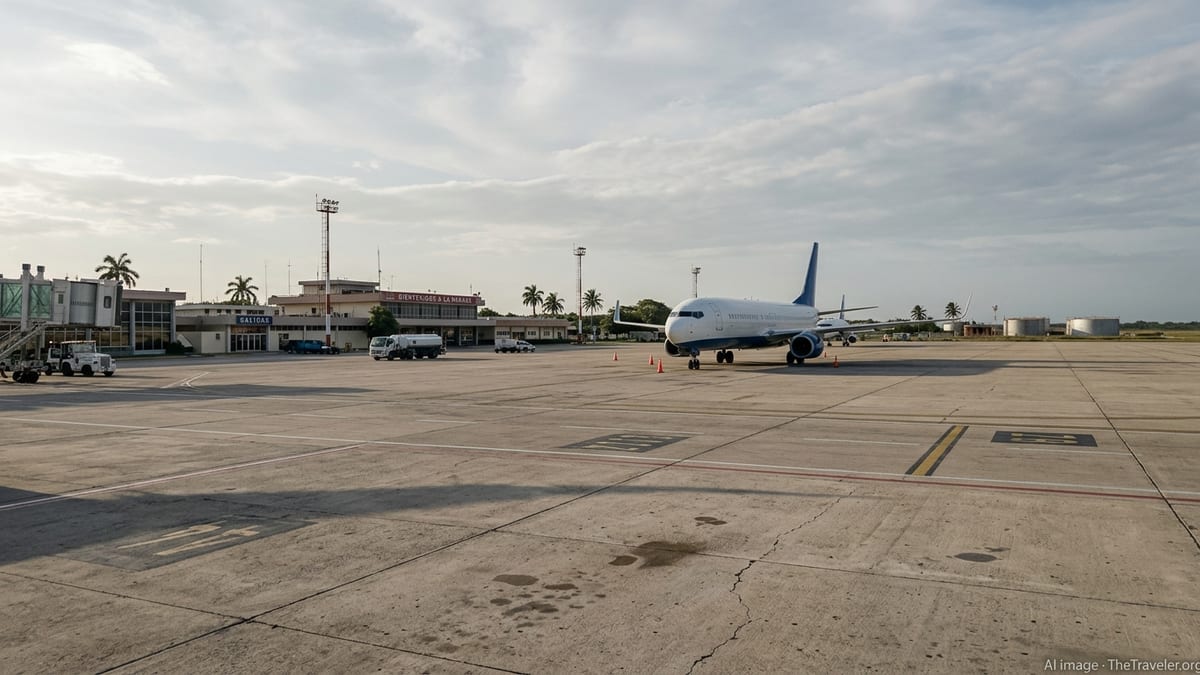
Fuel Crisis Shuts Down Refuelling at Key Cuban Airports
An aviation fuel shortage that began in early February 2026 has left nine of Cuba’s international airports without Jet A-1, the standard fuel used by commercial aircraft. Notices to airlines indicate that from February 10 to at least March 11, refuelling is not guaranteed at major gateways including Havana’s José Martí International and resort-focused airports serving Cayo Coco and other northern keys.
Publicly available aviation bulletins describe the situation in stark terms, noting that Jet A-1 fuel is not available for international carriers during this period. Airlines operating to Cuba have been advised to plan operations without access to local fuel, a constraint that complicates scheduling and forces difficult decisions about whether to continue flying or suspend routes altogether.
The fuel crunch is unfolding against the backdrop of a wider energy and economic crisis on the island. Recent analysis points to prolonged shortages of fuel and electricity, with frequent blackouts and strained infrastructure, all of which were already weighing on the visitor experience even before aviation supplies tightened further.
WestJet and Air Transat Pull Back Services to Cuba
WestJet has formally suspended its operations to Cuba as of early February 2026, according to company information cited in recent coverage. The airline, along with affiliated tour operator Sunwing Vacations, initially focused on repatriating travelers already in resort destinations by operating aircraft from Canada carrying sufficient fuel for round-trip journeys.
Air Transat has taken similar steps. Reports from Canadian and international travel media indicate that the carrier has temporarily halted flights to Cuban destinations until at least late April or early May 2026, citing the inability to refuel aircraft at Cuban airports as a primary factor. The suspensions affect popular winter routes from Canadian cities to resort hubs such as Varadero, Cayo Coco, Cayo Santa Maria, and Holguín.
The decisions by WestJet and Air Transat follow earlier schedule adjustments, including fuel tankering strategies and occasional technical stops in third countries to refuel. As the crisis deepened and the duration of the shortage became clearer, those workarounds appear to have become commercially unsustainable, leading to broader suspensions rather than isolated cancellations.
Impact on Travelers and Winter Sun Vacations
The timing of the flight suspensions is particularly disruptive for Canadian travelers, many of whom book all-inclusive holidays to Cuba during the peak winter season. Reports from travel forums and industry outlets describe a wave of last-minute cancellations, rebookings, and itinerary changes as tour operators work to move customers to alternative Caribbean destinations or shift travel dates.
Travel advisories from consumer-rights groups and flight-compensation services warn that the month-long fuel shortage could affect hundreds of weekly scheduled flights if conditions persist. Passengers are being urged to monitor their bookings closely, stay in contact with their airline or tour operator, and review the terms of travel insurance for coverage related to schedule disruptions caused by infrastructure or fuel issues at destination airports.
Travelers already in Cuba when the shortage took effect have in some cases faced schedule uncertainty and extended stays while airlines organized repositioning flights. Publicly available reports describe carriers sending aircraft with enough fuel for round-trip operations or routing planes via nearby countries where refuelling is available, adding complexity and time to journeys home.
Tourism Economy Under Intensifying Pressure
Cuba’s tourism industry, a critical source of foreign currency, has been under strain since before the current fuel crisis, with earlier data showing drops in visitor arrivals linked to broader economic difficulties and rolling power outages. The latest jet fuel shortage threatens what remained of the high season, especially in resort enclaves that depend heavily on Canadian and European package tourists.
Economic analyses published in regional media note that tourism contractions have already weighed on Cuba’s gross domestic product, with 2025 marked by lower-than-expected arrivals and reduced spending. The loss or reduction of flights from major Canadian carriers intensifies that pressure, as Canada is one of the island’s most important source markets for beach and resort tourism.
Hotel and resort operations are also being affected. Some reports indicate that properties in the northern keys and other areas have consolidated guests or temporarily closed sections to manage energy use and staffing amid unstable power supply and lower occupancy. Flight suspensions by key airlines add another layer of uncertainty for tour operators that package air and hotel together.
What Prospective Visitors Need to Know Right Now
For travelers considering trips to Cuba in the coming weeks, publicly available information suggests a highly fluid situation. The jet fuel shortage is officially expected to last at least until March 11, 2026, and airlines may extend suspensions beyond that date if fuel supplies and operational reliability do not improve. Schedules are subject to rapid change, and more carriers could revise their Cuba programs as the crisis evolves.
Travel experts advise checking the latest airline notices before booking, and, for those who already hold reservations, confirming whether flights are operating on the original schedule, being rerouted via technical stops, or cancelled outright. It is also important to review government travel advisories regarding shortages of fuel, electricity, and basic goods, as these conditions can affect not only flights but also the on-the-ground experience at resorts and in cities.
Prospective visitors weighing whether to postpone or reroute their winter holidays are increasingly looking to alternative Caribbean destinations that are not currently experiencing comparable aviation fuel constraints. Until Cuba’s jet fuel supply stabilizes and airlines restore regular service, travel to the island is likely to remain complicated, with higher risks of disruption for both inbound and outbound journeys.