

More news on this day
Cuba is facing a deepening energy and aviation crisis in early 2026, with widespread blackouts, crippling fuel shortages and hundreds of flight cancellations disrupting travel plans across the Caribbean.
Get the latest news straight to your inbox!
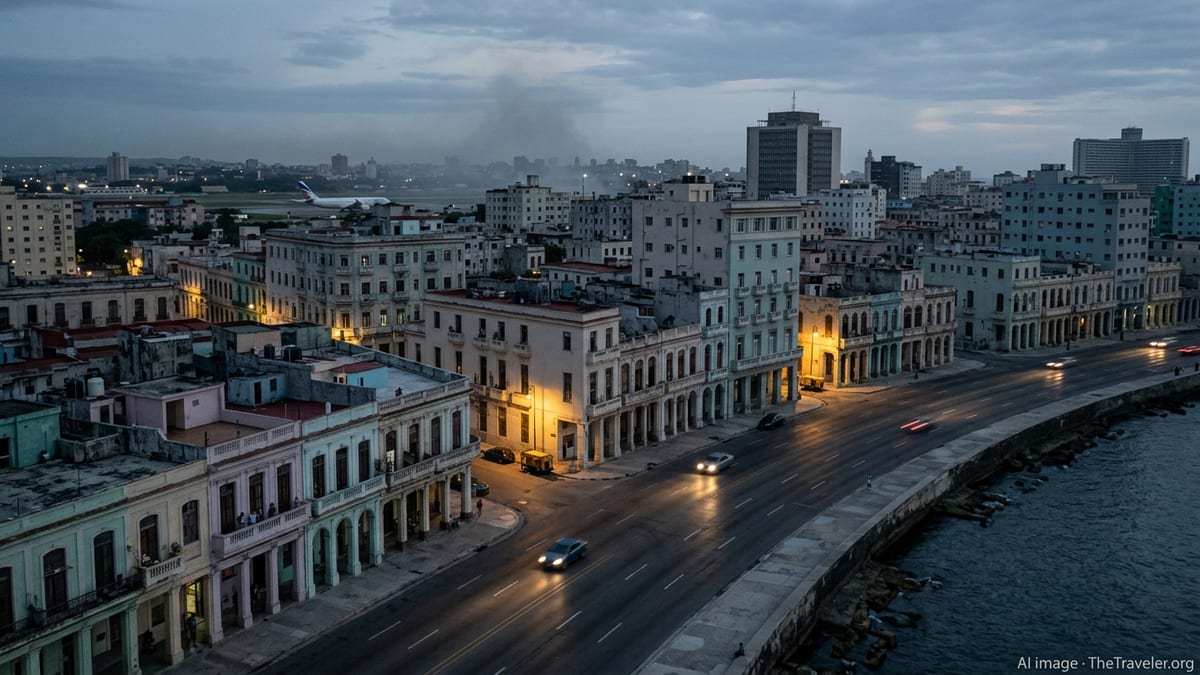
Fuel Blockade Triggers Nationwide Aviation Disruptions
Publicly available aviation notices and industry coverage indicate that Cuba’s nine international airports entered a period of near-total jet fuel unavailability beginning in February 2026. Major gateways including Havana, Varadero, Holguín, Santa Clara, Santiago de Cuba and the northern cays have been unable to supply Jet A-1 to commercial aircraft for extended stretches, forcing airlines to redraw route maps at the height of the winter season.
Specialist aviation outlets report that more than 400 scheduled weekly flights to Cuba have been affected, with carriers cancelling services outright, operating with sharply reduced frequencies or inserting technical refuelling stops in neighboring Caribbean countries. Travelers on routes from Canada, Europe, Mexico and Central America have seen previously routine leisure flights become subject to last-minute timetable changes and longer journey times.
The shortage is widely linked in open reporting to a broader energy squeeze following new United States restrictions on oil flows to the island and the interruption of key supplies from Venezuela. Analyses describe a situation in which Cuba is struggling to secure alternative crude and refined products, leaving both aviation and ground transport competing for limited fuel.
Regional media also highlight knock-on concerns about fuel for airport ground operations, including tugs, generators and emergency services vehicles. This has added an extra layer of operational risk and uncertainty for airlines assessing whether to maintain a minimal presence in the Cuban market or to suspend flights until conditions stabilize.
Major Airlines Suspend Cuba Services
In recent weeks several high-profile carriers have announced temporary suspensions or reductions in service to Cuba as the fuel crisis has intensified. Reporting from international newswires describes how Air France plans to halt its Paris to Havana route for several weeks from late March 2026, after initially attempting to keep the link viable by adding a refuelling stop in the Bahamas on the return leg.
Canadian and European leisure airlines, which dominate winter traffic to beach resorts such as Varadero and the keys off Cuba’s north coast, have also scaled back operations. Industry data cited in open sources show that airlines including WestJet and Air Canada, along with regional players, have collectively removed dozens of weekly rotations, consolidating passengers on fewer flights or arranging organized repatriation services for those already on the island.
Some carriers have adopted a mix of strategies, such as operating outbound flights from Cuba without taking on fuel, positioning aircraft into the country with extra reserves, or routing via third-country hubs where fuel is available. Travel trade publications emphasize that these workarounds increase costs and reduce capacity, pushing airlines to question the commercial viability of maintaining links if the energy squeeze drags on.
For travelers, the result has been a spike in short-notice cancellations, rerouting through alternative Caribbean gateways and an unusually high risk of disruption compared with previous seasons. Flexible change policies and waivers have been introduced in some markets, but passengers with complex itineraries or separate tickets continue to face potential additional expenses and extended travel times.
Electric Grid Strains Lead to Island-Wide Blackouts
The aviation crisis is unfolding against the backdrop of a prolonged collapse of Cuba’s power grid. Open-source timelines of the 2024 to 2026 blackout cycle describe multiple nationwide outages and frequent regional failures as aging thermoelectric plants, insufficient fuel supplies and delayed maintenance converge. By early 2026, reports suggest that daily outages lasting 12 to 20 hours in some provinces have become common, with periods in which a significant share of the grid is offline.
Recent coverage of the 2026 Cuba crisis notes that a combination of structural weaknesses and fuel scarcity culminated in episodes where much of the national grid failed at once, temporarily plunging millions into darkness. These disruptions affect not only residential neighborhoods but also public services, small businesses and tourism infrastructure, straining backup generators and complicating basic logistics.
For visitors, the most noticeable effects are intermittent air conditioning, unreliable elevator service, patchy lighting and occasional interruptions to water pumps. Travel-focused reports from the island refer to guests in some resorts experiencing rolling blackouts despite efforts by hotels to prioritize key facilities. In urban areas such as Havana, the contrast between tourist zones with limited generator support and surrounding districts facing extended blackouts has become more pronounced.
The instability of the grid also complicates transport planning beyond aviation. Fuel constraints have reduced bus and taxi services on key intercity corridors, while power cuts interfere with digital payment systems, booking platforms and basic communications that travelers rely on to make last-minute changes when flights are delayed or cancelled.
Tourism Hotspots Across the Caribbean Feel the Shock
Although the epicenter of the current crisis is Cuba, the shockwaves are being felt across the wider Caribbean travel ecosystem. Island neighbors that serve as alternative hubs or refuelling points, including destinations in the western Caribbean, have seen increased air traffic as airlines divert services away from Cuban airports or insert technical stops on their way to and from Havana and resort areas.
Local media in the region describe aviation and tourism authorities monitoring the situation closely, mindful that prolonged instability in Cuba can shift demand, cabin crew scheduling and aircraft rotations across interconnected routes. Carriers based in nearby territories have implemented change-fee waivers and schedule adjustments for passengers booked to or through Cuba between February and March 2026.
The redirection of flights and cruise calls may bring a short-term uptick in arrivals to certain Caribbean destinations, but travel analysts caution that the overall regional picture remains fragile. Elevated fuel prices, tight aircraft capacity and macroeconomic uncertainty in key source markets mean that substitution effects do not fully offset the sharp decline in Cuba-bound tourism.
At the same time, humanitarian and political responses to the Cuban energy emergency, such as proposed maritime aid convoys and discussions over targeted relief, underscore how deeply travel, trade and basic infrastructure are intertwined across the region. Any step that alleviates Cuba’s fuel and power constraints could quickly ripple into improved reliability for air links that connect multiple islands.
What Travelers Should Know Before Booking Cuba in 2026
For would-be visitors evaluating trips to Cuba in the coming months, publicly available information points to an environment of elevated operational risk. With aviation fuel rationed, the national grid under strain and ground transport curtailed, itinerary changes are significantly more likely than in previous years, particularly for itineraries dependent on multiple domestic flights or tight international connections.
Travel industry guidance emerging from the crisis suggests that flexible planning is essential. Travelers are being encouraged in open coverage to favor bookings that allow changes or refunds, consider travel insurance policies that address airline-caused disruption, and build additional time into connections when traveling onward to other Caribbean or Latin American destinations.
Those who still choose to travel to Cuba in early and mid 2026 may wish to prepare for practical inconveniences related to power cuts and supply shortages. Reports from recent visitors mention the value of carrying small battery packs, printed copies of key documents, and a willingness to adapt plans if local transport schedules are reduced or attractions close temporarily.
For now, the combination of grid instability, fuel scarcity and suspended flights has reshaped Cuba from a relatively predictable winter-sun destination into one of the most logistically complex places to reach in the Caribbean. How quickly conditions improve will depend on the success of ongoing diplomatic efforts, diversification of fuel supplies and the resilience of the island’s aging energy infrastructure.