

Florida is often marketed as a land of theme parks and beaches, but travelers who look beyond the postcard images discover a state shaped by centuries of Indigenous resilience, Spanish and British rule, Caribbean migration, and continuous reinvention. Its cities and small towns each carry distinct cultural signatures, from Seminole story traditions on the edge of the Everglades to salsa clubs in Miami and historic Black neighborhoods in Jacksonville and Orlando. For visitors, understanding these cultural currents does more than enrich a trip. It provides vital context for the food you taste, the music you hear, and the communities whose stories you are walking through.
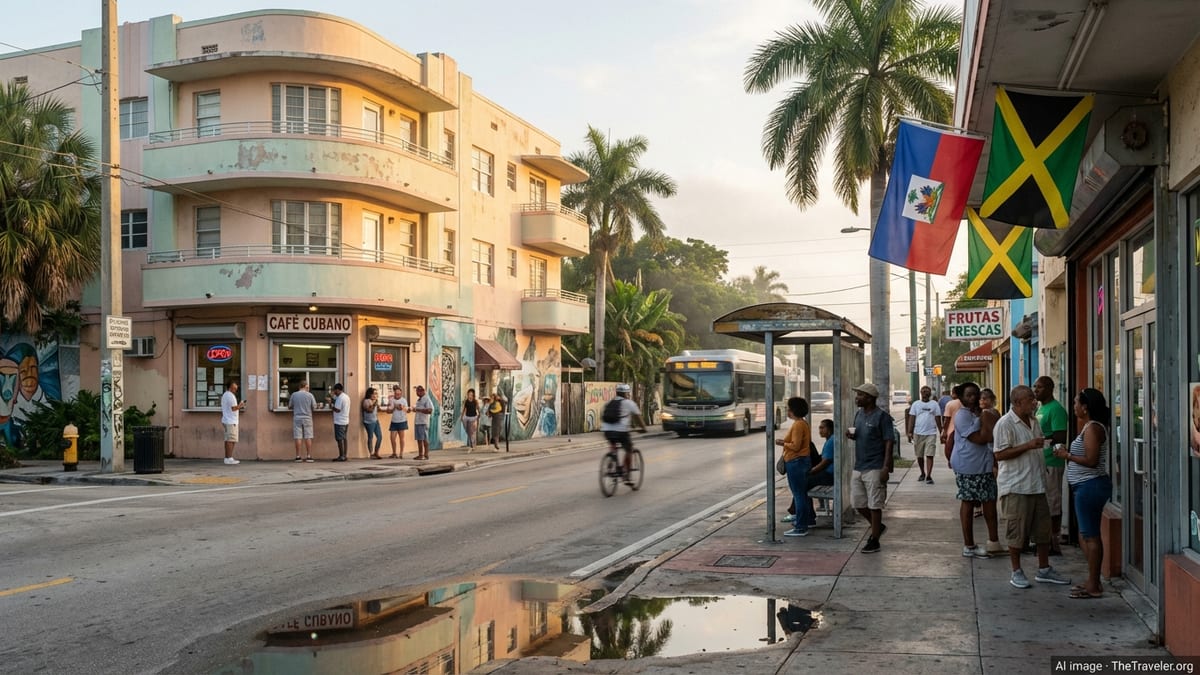
Florida’s Cultural Tapestry at a Glance
To understand Florida’s culture, start with its geography. The peninsula has long been a gateway between North America and the Caribbean, a crossroads where Indigenous nations, Spanish colonists, formerly enslaved people, Bahamian mariners, Cuban exiles, and later arrivals from across Latin America and the world converged. This history produced a blend of languages, religions, and customs that look and feel different from anywhere else in the United States. Travelers quickly notice how Spanish, English, Haitian Creole, and Portuguese mingle in conversations and on storefronts, especially in South Florida, while coastal towns reveal centuries of maritime and fishing traditions.
Florida is also one of the nation’s most diverse states, and that diversity is visible in its daily life rather than confined to museums. You might spend a morning touring a Spanish colonial fort, lunch at a Cuban cafeteria, browse contemporary Black art in the afternoon, then end your day with Indigenous fry bread or Caribbean seafood by the water. Major cities like Miami, Tampa, Orlando, and Jacksonville are hubs of multicultural arts, while smaller places such as St. Augustine, Pensacola, and Apalachicola preserve regional customs and architecture that predate statehood.
Travelers should be aware that Florida’s culture is not static. New arrivals, changing politics, climate pressures, and ongoing debates over how history is taught are reshaping public memory and expression. Festivals evolve from year to year, neighborhoods gentrify, and heritage sites gain or lose funding. Engaging respectfully with local communities, asking questions, and seeking out smaller cultural centers and neighborhood museums can reveal stories that large attractions may overlook.
Above all, Florida’s culture is lived in the streets: in cafecito counters, church fish fries, farmers markets, and nightclubs that stay open until sunrise. Visitors who slow down and join these everyday rituals gain a deeper sense of place than any itinerary focused solely on resorts or rides can offer.
Indigenous Florida: Seminole, Miccosukee and Beyond
Long before European contact, Florida was home to complex Indigenous societies. Many of those early nations were decimated by disease and colonization, yet their descendants and later migrant groups shaped the modern Seminole and Miccosukee Tribes of Florida. Today, both communities maintain reservations, language revitalization efforts, and cultural programming that visitors can experience in specific settings. Respect is essential; these are living nations, not open-air museums.
On the Big Cypress Seminole Reservation in the western Everglades, the Ah-Tah-Thi-Ki Museum presents Seminole history and contemporary life through exhibits, reconstructed chickees, and demonstrations. Each November the museum hosts the American Indigenous Arts Celebration, a two-day event highlighting Native artists, dancers, and food traditions. Travelers can expect everything from alligator wrestling demonstrations contextualized as heritage practice to contemporary Indigenous fashion and beadwork. The surrounding boardwalk allows visitors to see the cypress swamp ecosystem that shaped Seminole survival strategies.
Closer to Miami, Miccosukee cultural centers offer airboat tours combined with introductions to tribal crafts, patchwork clothing, and traditional foods. While some operations are highly commercial, others make a point of interpreting history from a Native perspective. Visitors should pay attention to how airboat traffic affects wildlife and waterways and choose operators whose practices align with conservation guidelines. Purchasing crafts directly from tribal artisans and listening carefully during talks about sovereignty, removal, and resistance helps support local communities rather than just consuming their culture.
Indigenous legacies extend beyond organized attractions. Throughout North and Central Florida, shell mounds, mission-era sites, and place names attest to earlier inhabitants. When hiking state parks or visiting mission ruins such as those near Tallahassee, it is worth reading on-site interpretive signs and seeking ranger talks that acknowledge Native histories. Doing so places Florida’s beaches and forests in a much older narrative than tourism brochures typically provide.
Spanish Roots, Colonial Towns and Coastal Traditions
Spain claimed Florida in the 16th century, and the imprint of that era endures most vividly in St. Augustine, regarded as the oldest continuously occupied European-founded city in what is now the United States. Within its compact historic district, coquina stone defenses, narrow lanes, and balconied houses recall centuries of imperial struggle and maritime trade. Walking tours often highlight how Spanish, African, Indigenous, and later British influences intertwined, especially around the city’s fortified harbor and mission system.
Travelers stepping into St. Augustine’s historic core will encounter reenactments, folk music, and religious processions tied to centuries-old traditions. Beyond the popular lighthouse and colonial-era fortifications, smaller museums and historic churches interpret daily life in the colonial period, including the experiences of free and enslaved Africans and Indigenous converts. Knowledgeable guides can help distinguish between romanticized stories and evidence-based history, an important skill when tourism and legend occasionally blur.
Along both coasts, fishing villages and working waterfronts preserve quieter dimensions of Florida’s heritage. Communities along the Panhandle and Big Bend regions hold on to oystering, shrimping, and boatbuilding cultures that shaped local identity long before large-scale vacation developments. Visitors who stop into independent seafood shacks, maritime museums, and small-town festivals gain insight into the rhythms of life tied to tides and seasons rather than school holidays.
Even in resort-heavy areas, echoes of older coastal traditions remain. In the Keys, Bahamian and Cuban influences converge in everything from conch fritters to pastel wooden houses raised on stilts. Historic districts in Key West and smaller Gulf Coast towns reward visitors who set aside at least half a day for unhurried walks, pausing at markers that explain how hurricanes, labor struggles, and migration reshaped these communities over time.
Black Heritage and the Civil Rights Landscape
Florida’s Black history runs far deeper than many visitors realize. In the early 18th century, Fort Mose near St. Augustine became the first legally sanctioned free Black settlement in what would become the United States, offering refuge to Africans who escaped enslavement in British colonies in exchange for converting to Catholicism and serving in the Spanish militia. Today, Fort Mose Historic State Park features a visitors center, museum exhibits, and a reconstructed fort, along with seasonal reenactments and concerts that bring this story to life for travelers.
Across the state, Black neighborhoods bear witness to the era of segregation and to ongoing struggles over displacement and preservation. In Miami, the Overtown district, once known as “Colored Town,” was a center of Black nightlife where legends performed at venues such as the Lyric Theater and stayed at properties like the Hampton House Motel when they were barred from segregated hotels elsewhere in the city. Restoration of these sites into cultural centers and museums has turned them into key stops for heritage travelers interested in jazz, civil rights organizing, and mid-century architecture.
Orlando’s Parramore neighborhood tells a parallel story. The Wells’Built Hotel now serves as the Wells’Built Museum of African American History and Culture, interpreting the lives of visiting musicians, traveling baseball teams, and local professionals who made the area thrive under segregation. Further west in Punta Gorda, the Blanchard House Museum showcases Black history in Southwest Florida, while St. Petersburg’s Woodson African American Museum of Florida highlights regional art and community narratives. These institutions are generally modest in size but rich in personal stories and archival photos that humanize state and national history.
For travelers, engaging with Black heritage sites is an opportunity to understand Florida beyond leisure and leisure-time labor. Many tours now frame beach towns and downtown districts through the lens of civil rights protests, school desegregation, and urban renewal projects that demolished Black neighborhoods. When visiting, ask about current local initiatives, from mural projects to youth programs, that extend this legacy into the present. Supporting such efforts through admission fees and donations helps ensure that these stories remain visible amid rapid development.
Latin, Caribbean and Immigrant Influences
Perhaps nowhere in the continental United States is the influence of Latin America and the Caribbean as immediately tangible as in Florida, particularly in Miami and its surrounding counties. Waves of Cuban migration from the mid-20th century onward transformed Miami into a bilingual metropolis where Spanish-language media, politics, and business dominate much of daily life. Neighborhoods such as Little Havana and Westchester retain a dense concentration of Cuban cafes, cigar shops, and social clubs, even as new arrivals from Venezuela, Colombia, Nicaragua, and elsewhere add their own practices to the streetscape.
Visitors wandering Calle Ocho in Little Havana will encounter older men playing dominoes in public parks, window counters serving strong Cuban coffee, live timba and salsa bands, and murals honoring musicians and political figures. At night, salsa clubs attract both locals and tourists, while art galleries and small theaters present Spanish-language performances. Travelers should be aware that these spaces are not static stage sets; they are evolving communities shaped by ongoing political changes in Latin America and by generational shifts among Cuban Americans themselves.
Elsewhere in South Florida, Haitian, Jamaican, Bahamian, and Dominican communities contribute to a mosaic of food, religion, and music. Neighborhoods in North Miami, Broward County, and Palm Beach County host Haitian bakeries, Caribbean markets, and churches where Creole hymns and gospel fill the air. Annual carnivals and street festivals bring out elaborate costumes, steel bands, and sound systems, particularly around major Caribbean holidays. Visitors who attend should follow local guidance on etiquette, dress comfortably for heat and crowds, and plan transportation in advance, as parking can be limited.
Central and North Florida have also welcomed growing immigrant populations. Brazilian restaurants dot Orlando’s suburbs, while Mexican and Central American communities support markets and taquerias from the Panhandle to the interior farm belt. The result for travelers is a culinary and cultural landscape far more varied than older stereotypes of “Southern” Florida suggest. Exploring beyond beachfront promenades to neighborhood corridors and strip malls often yields some of the most memorable meals and human encounters of a trip.
Art, Design and Street Culture from Miami to the Panhandle
Florida’s contemporary art scene is deeply tied to Miami Art Week, anchored by the annual Art Basel Miami Beach fair every December. During this week, galleries and collectors from around the world descend on South Beach and the mainland, and the city responds with public installations, pop-up exhibitions, and late-night performances. While the main fair requires tickets, many satellite shows, museum exhibitions, and outdoor murals can be enjoyed at relatively low cost or free of charge, making the period an immersive cultural experience even for casual visitors.
Outside of that intense week, Miami’s Wynwood neighborhood remains one of the most visible showcases of street art in the country. Former warehouses now carry large-scale murals by local and international artists, and new works appear regularly on side streets and small businesses. Travelers should approach the area as a living neighborhood, not just an open-air gallery; daytimes are generally best for slow walks to appreciate both sanctioned works and evolving graffiti. Independent galleries, design studios, and small bars tucked between murals offer a window into the city’s creative class.
Other cities across Florida have cultivated their own visual arts identities. St. Petersburg and Tampa support robust museum networks and monthly art walks that link galleries, studios, and public art installations. Jacksonville has fostered a growing mural scene that highlights local history and social issues, while Gainesville and Tallahassee blend student-driven art with institutional collections. In the Panhandle, Pensacola and smaller communities host festivals that combine fine art with traditional crafts, including woodworking, quilting, and glasswork.
Design in Florida is not limited to galleries. From Miami Modernist hotels to mid-century motels along older highways, architecture enthusiasts can trace the evolution of leisure culture and coastal living styles. Many restored properties now function as boutique hotels or cultural venues, giving travelers the chance to sleep inside design history or attend events in lovingly preserved lobbies and ballrooms.
Food, Music and Everyday Rituals
Food is one of the most immediate ways travelers experience Florida’s cultural blend. In South Florida, Cuban cafecitos, pastelitos, and pressed sandwiches are part of the daily rhythm. Farther north, barbecue traditions, Lowcountry seafood boils, and Southern-style meat-and-three diners hold sway, often within the same city that serves Peruvian ceviche or Vietnamese pho. Coastal towns thrive on fresh seafood, from Gulf oysters and Apalachicola-style smoked mullet to Key West pink shrimp and stone crab claws, each with its own local preparation methods and folklore.
Miami’s dining scene receives elevated attention during Art Week, when visiting chefs, brand activations, and pop-up concepts descend on the city. For the rest of the year, however, small family-run restaurants and food trucks often provide the most authentic experiences. Travelers who sit at counters, ask staff for personal favorites, and observe local dining customs will learn as much about migration histories and neighborhood dynamics as they do about recipes.
Music is equally central. From Latin rhythms in Miami and Fort Lauderdale to Southern rock and blues in North Florida, live music animates bars, street festivals, and religious gatherings. Historic Black neighborhoods preserve jazz, gospel, and soul legacies, sometimes in repurposed theaters or hotel ballrooms that once hosted touring stars. Country, bluegrass, and folk traditions thrive at inland festivals and state fairs, where fiddles, banjos, and storytelling connect contemporary crowds to rural roots.
Everyday rituals complete the cultural picture. Morning walks along the beach with cups of Cuban coffee, Sunday services in storefront churches, youth sports leagues in sprawling parks, and late-night gatherings at food trucks or corner bodegas all reflect local priorities and social structures. Visitors who remain attentive to these informal spaces, rather than focusing solely on ticketed attractions, often leave with a stronger sense of how Floridians actually live.
Respectful Travel and Cultural Etiquette
As Florida’s popularity grows, many communities grapple with overcrowding, rising housing costs, and environmental strain. Travelers who want to enjoy the state’s cultural richness without adding unnecessary pressure should prioritize respectful behavior. That begins with learning a bit about local history before arriving, whether through books, podcasts, or museum websites, and by seeking tours led by residents rather than exclusively by outside companies.
In historically marginalized neighborhoods, including Black, Indigenous, and immigrant districts, visitors should remember that these are primarily residential spaces. Asking permission before photographing people, dressing modestly for religious sites, and avoiding disruptive behavior at night all signal basic courtesy. Supporting local businesses and cultural institutions, from corner bakeries to small museums, helps ensure that tourism benefits long-time residents rather than displacing them.
Environmental respect is also a cultural issue in Florida, where rising seas, stronger storms, and ecosystem stress are constant concerns. Following posted guidelines in wetlands, reefs, and springs, minimizing plastic use, and staying on marked trails are small but meaningful ways to honor both natural and human communities that depend on fragile landscapes. Many outfitters now emphasize conservation; choosing those operators and asking informed questions can deepen a visit.
Finally, travelers should be prepared for cultural and political complexity. Conversations about history, identity, and public policy can be sensitive, particularly around topics such as race, immigration, and environmental regulation. Listening more than speaking, acknowledging local expertise, and approaching disagreements with humility go a long way toward building genuine connections rather than treating Florida as a backdrop.
The Takeaway
Florida’s cultural highlights do not lie solely in world-famous attractions but in the dense layering of stories across its towns, waterways, and neighborhoods. From Seminole and Miccosukee communities guarding ancestral wetlands to Cuban elders playing dominoes in Miami, Black historians preserving jazz-era hotels, and Gulf Coast fishers passing down maritime skills, the state presents a living archive of resilience and creativity.
For travelers, engaging with this richness requires intention. It means leaving resort enclaves for historic districts and neighborhood festivals, visiting small museums alongside major institutions, and allowing time for unplanned conversations at cafe counters or bus stops. In doing so, visitors not only gain a deeper understanding of Florida’s past and present but also contribute to the vitality of communities that have long welcomed outsiders while fiercely protecting their own identities.
Approached with curiosity and care, Florida becomes far more than a place to chase sunshine. It is a diverse cultural frontier where the Americas meet, a laboratory for new forms of art and expression, and a reminder that even the most familiar destinations hold unexpected depths for those willing to look.
FAQ
Q1. Is Florida culturally Southern, Caribbean, or something else?
Florida incorporates elements of the U.S. South, the Caribbean, Latin America, and its own coastal traditions, so visitors experience a blend rather than a single cultural identity.
Q2. How can I experience Indigenous culture in Florida respectfully?
Visit accredited tribal museums and cultural centers, follow local rules, support Native artisans, and approach ceremonies or demonstrations as a guest rather than entertainment.
Q3. Are Black heritage sites in Florida easy to visit without a guided tour?
Many museums and landmarks welcome walk-in visitors, but guided tours or curated heritage trails often provide context that is hard to gain on your own.
Q4. What is the best way to explore Miami’s multicultural neighborhoods?
Use a mix of guided walking or food tours and independent wandering, focus on daytime visits for a first impression, and support locally owned cafes, shops, and galleries.
Q5. Do I need to speak Spanish or Haitian Creole to enjoy South Florida?
No, English is widely spoken, but learning a few phrases in Spanish or Creole shows respect and can lead to warmer interactions in immigrant communities.
Q6. When is a good time to visit for cultural festivals rather than just beach weather?
Late fall through spring often brings major events, including Indigenous celebrations, Caribbean carnivals, and international art fairs centered on Miami and other cities.
Q7. How can I avoid contributing to gentrification while visiting historic neighborhoods?
Prioritize spending at long-standing local businesses, choose tours run by residents, and be mindful that people live and work in these areas beyond their tourism appeal.
Q8. Is it appropriate to photograph street art and murals in Florida cities?
Yes, photographing walls and public installations is generally fine, but ask permission before including nearby residents, workers, or private events in your shots.
Q9. What local dishes should I try to better understand Florida’s culture?
Regional specialties such as Cuban sandwiches, conch dishes, Gulf Coast seafood, Key lime pie, and Haitian or Jamaican plates all offer insight into migration and history.
Q10. How much time should I plan to get a sense of Florida’s cultural diversity?
A week allows for an introduction across two or three regions, but longer stays or repeat visits reveal far more of the state’s layered communities and traditions.