

More news on this day
Severe Tropical Cyclone Vaianu has forced widespread flight cancellations and transport disruption across Fiji, abruptly halting holiday plans and dealing a fresh shock to one of the Pacific’s most tourism-dependent economies.
Get the latest news straight to your inbox!
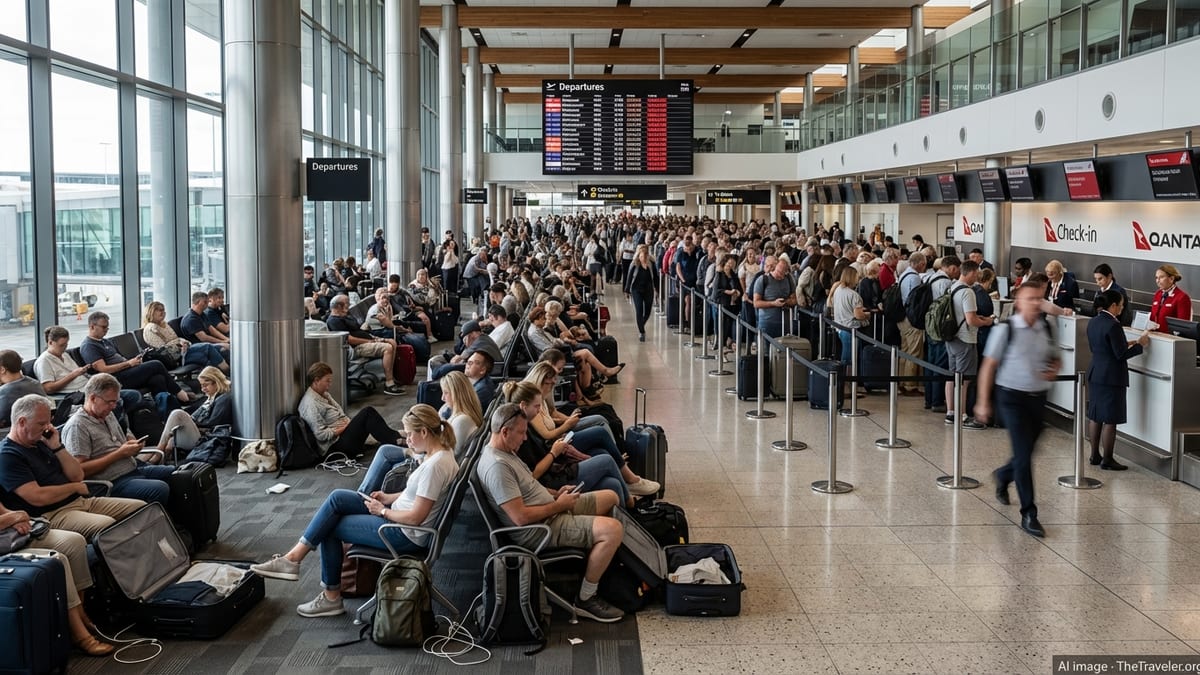
Flights Grounded As Storm Batters Key Gateways
Publicly available information shows that domestic carrier Fiji Link has cancelled all flights as Cyclone Vaianu brings intense rain, strong winds and low visibility across major routes, including the busy Nadi and Suva corridors. The shutdown has stranded residents and visitors alike, with airports prioritising safety as the Category 3 system lashes the archipelago.
International services have also been disrupted, with aircraft repositioning and schedule changes reported as airlines seek to avoid storm damage on the tarmac and turbulence en route. Some larger jets have been moved out of the cyclone’s projected impact zone while carriers assess runway conditions, power reliability and the status of navigation systems.
The timing is particularly acute for Nadi International Airport, the main gateway for long-haul visitors from Australia, New Zealand, North America and Asia. With Vaianu tracking near Fiji’s western approaches, aviation warnings and marine alerts have combined to restrict operations just as an early-April holiday period was bringing in a new wave of leisure travellers.
Passengers are facing rolling delays, last-minute cancellations and limited rebooking options as airlines work through backlogs. Reports indicate that some visitors have been advised to shelter in resort areas until conditions ease, while others wait in hotels near Nadi for clarity on when flights might resume.
Tourism Heartlands Shut Down By Flooding And High Winds
Resort towns in Fiji’s Western Division, including areas around Nadi and Lautoka, have seen widespread closures as heavy rain and strong winds from Vaianu trigger flash flooding. Local coverage from the region describes shuttered storefronts, empty streets and precautionary shutdowns of non-essential services while swollen rivers and saturated ground heighten the risk of landslides.
In low-lying coastal areas and outer island communities, ferries and small boat services have been curtailed, cutting links to popular tourism spots and confining visitors to their accommodations. The combination of rough seas, storm surge and poor visibility has left many island transfers on hold, disrupting itineraries built around multi-island stays.
Publicly available information from Fiji’s meteorological authorities indicates that Vaianu has intensified quickly over recent days, with gale- to storm-force winds now affecting a broad swathe of the country. Heavy rain warnings and flood alerts are in force across much of the main islands, adding to concerns about damage to roads, bridges and coastal infrastructure that underpin the visitor economy.
With courts, schools and many government offices in the Western Division closed today due to hazardous conditions, businesses that rely on tourist footfall, from dive operators to tour companies and handicraft markets, face an abrupt loss of income at a time when bookings had been strengthening.
Economic Shock For A Tourism-Dependent Nation
Tourism has long been central to Fiji’s economy, contributing a major share of foreign exchange earnings and supporting tens of thousands of jobs in accommodation, transport, food services and retail. Previous assessments by regional development institutions have highlighted the sector’s vulnerability to tropical cyclones, which can rapidly wipe out weeks of revenue through cancellations even when physical damage is limited.
Cyclone Vaianu’s impact comes after years of recovery efforts following the COVID-19 pandemic and earlier severe storms. Fiji’s tourism industry has been working to rebuild capacity, restore air connectivity and reengage key source markets, with new agreements between Fiji Airways and Tourism Fiji aimed at lifting visitor numbers in 2026. The sudden disruption caused by Vaianu risks slowing that momentum, particularly if prolonged flooding damages roads, jetties and power networks that serve hotels and resorts.
Economists studying the Pacific region note that while many visitors eventually rebook after cyclone-related disruptions, smaller businesses can struggle with cash flow in the interim. Operators that depend heavily on seasonal peaks in April and July may find it difficult to absorb the loss of revenue if Vaianu’s effects linger through infrastructure clean-up and schedule normalisation.
Travel insurance uptake and flexible airline policies will influence how quickly visitor confidence returns. However, publicly accessible reports from past cyclones suggest that even brief shutdowns can leave a financial scar on communities where tourism is often the primary source of paid employment.
Travellers Confront Uncertainty As Warnings Intensify
For visitors already in Fiji, the immediate reality of Vaianu is one of uncertainty and curtailed plans. Hotel operators in major resort corridors are reported to be activating wet-weather and shelter-in-place protocols, with organised excursions, dive trips and boat tours widely cancelled due to hazardous seas and strong winds.
Prospective travellers abroad face difficult decisions as the system continues to evolve. Travel forums carry questions from would-be visitors with departures in the coming days, uncertain whether to postpone or proceed in the hope that conditions improve once the cyclone moves away. Airlines and tour operators are updating advisories as fresh meteorological guidance becomes available.
Publicly available forecasts indicate that Vaianu is expected to continue affecting Fiji through at least the next 24 to 48 hours, with further heavy rain and strong winds likely before the system tracks farther south and east. That outlook raises the prospect of additional flight disruptions and extended airport congestion even after the worst weather passes.
Travel planners caution that secondary impacts, such as debris on runways, inundated access roads and power cuts to terminal buildings, can delay a full return to normal operations. Visitors are being urged by airlines and tourism operators, via public channels, to monitor updates closely and avoid attempting airport travel until services are clearly confirmed.
Testing Fiji’s Long-Term Tourism Resilience
Cyclone Vaianu is the latest reminder of the climate and weather risks facing small island tourism hubs across the Pacific. Scientific assessments of recent seasons point to the increasing intensity of some tropical cyclones, along with rising sea levels and coastal erosion, as structural challenges for destinations built around beachfront resorts and marine attractions.
Fiji’s experience with earlier major cyclones, including events that caused extensive damage in 2016 and 2020, has informed new building codes, evacuation planning and disaster risk financing. Public documents from government and international agencies highlight efforts to climate-proof tourism infrastructure, diversify source markets and invest in more resilient transport links, from all-weather roads to upgraded jetties.
The unfolding impact of Vaianu is likely to provide another test of those measures. The speed at which airports, ports and resorts can reopen, and at which visitors feel confident returning, will shape the short-term damage to employment and foreign earnings. Over the longer term, investors and planners will be watching how frequently such severe disruptions occur, and whether adaptation efforts can keep pace with changing climate risks in the South Pacific.
For now, Fiji’s tourism heartlands are largely in standby mode as Cyclone Vaianu crosses nearby waters, with grounded aircraft and empty beaches underscoring the vulnerability of a sector that remains the beating heart of the island nation’s economy.