

More news on this day
Severe Tropical Cyclone Vaianu has triggered widespread flight cancellations to and from Fiji, abruptly slowing visitor arrivals and underscoring the vulnerability of the country’s tourism lifeline to extreme weather.
Get the latest news straight to your inbox!
Air Travel Grinds to a Halt as Storm Closes In
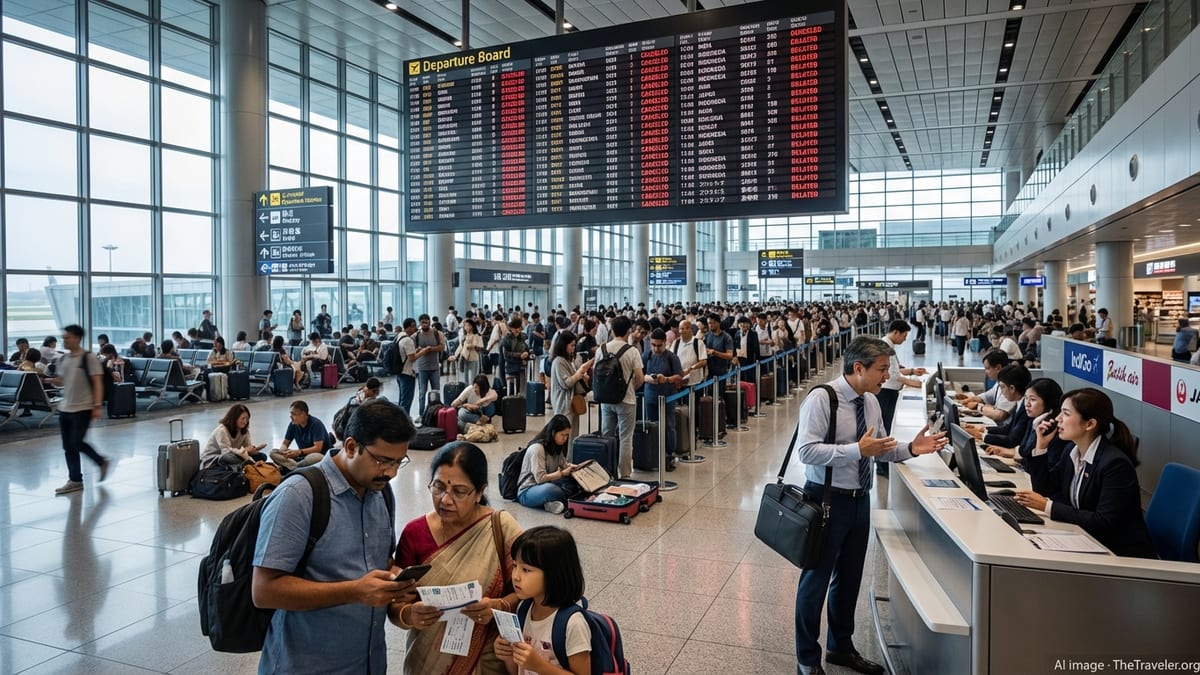
Published coverage from Fiji and regional outlets indicates that air travel into the country largely stalled on April 7 as Cyclone Vaianu intensified near the archipelago. Reports from Nadi International Airport describe a day of mass cancellations and diversions affecting both international and domestic routes, turning one of the South Pacific’s busiest transit hubs into a landscape of grounded aircraft and waiting passengers.
According to information shared by Fiji Airports and regional media, major Australian carriers including Qantas, Jetstar and Virgin Australia called off services to and from Nadi as the system brought strong winds, low cloud and heavy rain across key approach paths. At least one Fiji Airways service from Australia was diverted to Tonga as conditions deteriorated along its intended route.
Domestic connectivity also suffered. Fiji Link, which services many of the country’s outer islands, suspended its schedule as forecasts pointed to turbulent conditions, rough seas and reduced visibility. Local reporting notes that the cancellations were framed as precautionary, with aviation authorities and operators seeking to avoid aircraft and passenger exposure to rapidly changing weather.
By Tuesday afternoon local time, publicly available information showed that many travelers were facing overnight delays or being rebooked for later in the week, subject to the cyclone’s eventual track and the pace of operational recovery at Nadi and smaller airfields.
Tourism Nerve Centers Face Days of Disruption
The abrupt halt in air services is reverberating across Fiji’s tourism belt, particularly around Nadi, Denarau and the Mamanuca and Yasawa islands, where resorts depend on a constant flow of international guests. Published reports describe resort transfer schedules being rewritten in real time as airlines adjusted timetables and maritime operators weighed sea conditions.
With arrivals curtailed, some hotels are focusing on guests already in-house, extending stays for those unable to depart and adjusting operations to keep people on property as heavy rain and local flooding restrict movement. Travel industry commentary from the region suggests that flexible rebooking policies introduced after the pandemic are again being tested as travelers seek fee waivers, credits or refunds tied to cyclone-related cancellations.
Travel advisories from Australia and other key source markets have urged visitors to monitor airline notifications closely and to expect further schedule changes while Vaianu remains in the vicinity. Industry observers note that even if the cyclone continues to track southeast away from Fiji, knock-on effects such as aircraft repositioning, crew duty limits and airport inspections may prolong disruption beyond the immediate weather window.
For tourism operators, the timing is particularly sensitive. The late southern summer and early autumn period remains an important travel season for Australians, New Zealanders and North American visitors who favor Fiji for beach holidays, honeymoons and family trips, making any multi-day shutdown of air access a costly blow.
Safety Measures Ripple Across the Islands
Beyond the airports, Cyclone Vaianu’s impacts are being felt through a series of precautionary steps affecting daily life and visitor movement. National and local announcements compiled by regional news outlets detail school and university closures, partial government shutdowns and early-release directives for non-essential workers in anticipation of worsening conditions.
Meteorological updates show Vaianu having strengthened from a Category 2 to a more intense system over the past 24 to 36 hours, bringing prolonged heavy rain, gusty winds and the risk of flash flooding to much of the country. The Fiji Meteorological Service has maintained widespread heavy rain and flood alerts, particularly for the Western Division, where many tourism assets are clustered.
Publicly available guidance has emphasized staying indoors, avoiding flooded roads and monitoring official weather bulletins. In low-lying resort areas and on smaller islands, staff have been reported securing outdoor equipment, checking backup generators and preparing emergency stocks of water and food in case of power interruptions or supply delays caused by rough seas.
While Vaianu’s core has so far remained largely offshore, forecasters expect its influence to continue through at least Wednesday, keeping seas high and river levels elevated even as the system begins to move southeast and away from the main islands.
Economic Stakes High for a Tourism-Dependent Nation
The scale of disruption highlights Fiji’s structural dependence on tourism, which contributes a significant share of national income and employment. Government and industry data published in recent years indicate that international visitors account for a substantial proportion of foreign exchange earnings, with resorts, airlines, small businesses and transport operators all linked to the steady inflow of holidaymakers.
Comparisons being drawn in regional commentary to earlier cyclones, including severe systems that skirted major resort corridors, underline how even near-misses can shake confidence and lead to temporary downturns in bookings. Analysts note that while the core infrastructure serving tourism, such as Nadi’s main runway and large hotel complexes, is generally built to high standards, secondary roads, village areas and utility lines can be more vulnerable, creating localized challenges that indirectly affect visitors.
Some travel industry voices are expressing concern that images of flooded streets and grounded aircraft could trigger a short-term wave of cancellations among prospective travelers watching from abroad. Others argue that Fiji’s experience with post-disaster recovery and its established cyclone-season protocols may help reassure regular visitors once Vaianu has passed and services resume.
Tourism Fiji and major airlines are expected to ramp up marketing and communication efforts in the weeks ahead to signal when the destination is fully operational, a pattern seen after previous weather-related shocks in the region.
Focus Turns to Recovery and Future Resilience
As forecasts suggest Cyclone Vaianu will track southeast and gradually move away from Fiji, attention is shifting from immediate hazard management to the speed of operational recovery. Airline schedules, airport inspections and assessments of any damage to tourism infrastructure will shape how quickly the visitor economy can return to normal trading conditions.
Travel planners in key source markets are likely to watch closely for evidence of resumed flight frequencies and stable weather patterns before restoring full promotional activity for Fiji packages. Early indications from previous cyclone seasons suggest that, in the absence of widespread structural damage, travel demand can rebound within weeks, though isolated communities and small businesses may feel the financial impact far longer.
The latest disruption is also renewing discussion of climate resilience within Pacific tourism. Observers point to scientific research indicating that warmer oceans can contribute to more intense tropical cyclones, raising questions about building standards, coastal development and the design of evacuation and communication systems for visitors.
For now, much depends on how quickly Vaianu moves on and how limited the physical damage proves to be. What is already clear from airline groundings and full airport departure boards is that a single storm system has again shown how exposed one of the Pacific’s most popular holiday destinations remains to the forces of nature.