

More news on this day
Travelers heading to and from Southeast Asia are being warned to brace for cascading flight disruptions as Tropical Cyclone Vaianu intensifies over the South Pacific, prompting diversions, delays and operational changes on routes that connect through key regional hubs.
Get the latest news straight to your inbox!
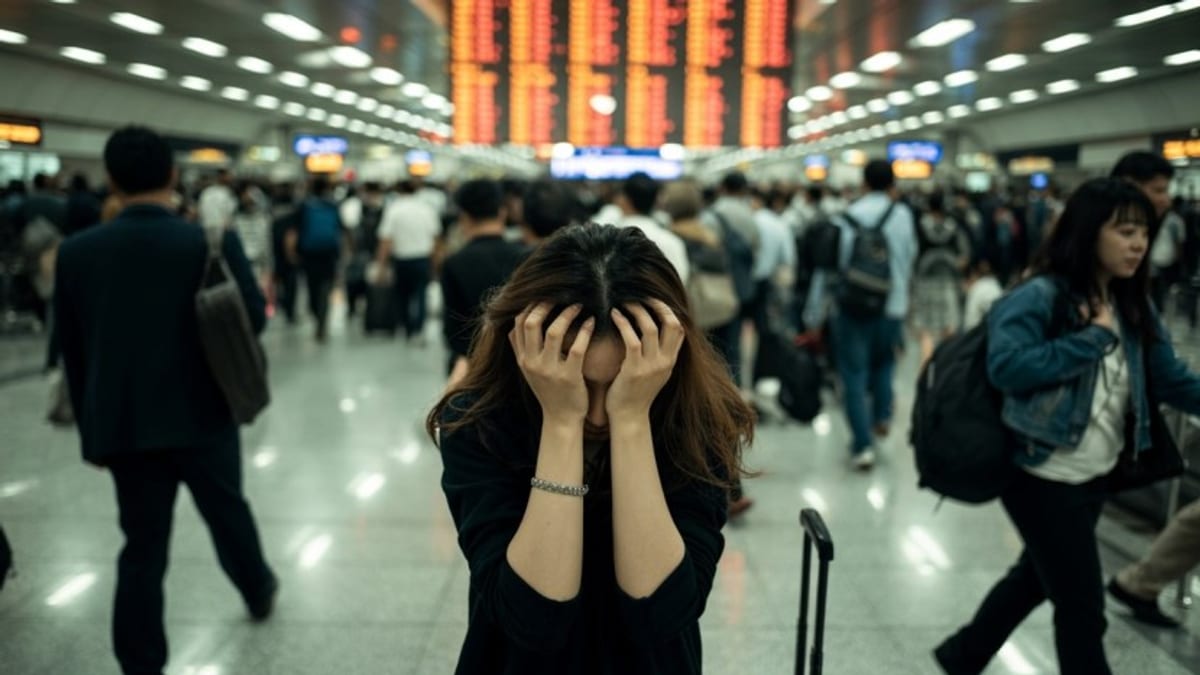
Storm Track Raises Red Flags For Regional Air Travel
Publicly available weather bulletins from the Fiji Meteorological Service and independent tropical weather trackers indicate that Cyclone Vaianu has strengthened between Vanuatu and Fiji, bringing destructive winds, heavy rainfall and hazardous seas across a broad swath of the South Pacific. While the cyclone’s core is centered east of the Coral Sea, its wide circulation is feeding unstable weather patterns along some of the busiest air corridors linking Australia, the Pacific islands and Southeast Asia.
Forecast maps show the system tracking generally southeast over the coming days, but its outer rainbands and turbulent cloud tops are intersecting routes used by long-haul flights between Asian hubs and the South Pacific. Airlines are already adjusting flight paths to avoid the most severe conditions, a step that can add flying time, push aircraft and crews out of position and ripple into later departures and arrivals across the region.
These operational challenges are unfolding at a time when Asia Pacific aviation remains highly interconnected. A disruption affecting airports in the Pacific can quickly be felt at transit points such as Singapore, Kuala Lumpur, Bangkok and Manila, where passengers connect between Europe, North America, Australia and Southeast Asian destinations.
Recent coverage of weather-related aviation disruption in Asia shows how quickly conditions can deteriorate once storms interfere with airspace and ground operations. Reports of mass delays and cancellations at large regional hubs during earlier typhoon and cyclone events provide a template for what travelers may face if Vaianu’s impacts expand or persist longer than forecast.
Flight Cancellations, Diversions And Longer Routes
Airlines serving the wider region are expected to favor diversions and rerouting over flying close to the cyclone’s core, in line with standard severe-weather procedures. Tracking data and regional aviation reports already point to flights between Asia and Australia taking more westerly or northerly tracks than usual to remain well clear of the most hazardous weather cells associated with Vaianu.
Such rerouting can have several knock-on effects for passengers. Longer routings increase fuel burn and may require technical stops or load adjustments, potentially limiting the number of seats or cargo a flight can carry. Extended flight times also risk crew duty-time exceedances, forcing last-minute schedule changes, particularly on overnight and ultra-long-haul services that interconnect with Southeast Asian hubs.
In the most affected zones closer to the cyclone, airports in parts of Fiji and Vanuatu face periods of heavy rain, crosswinds and poor visibility that can temporarily halt operations. Past cyclones in the wider region have prompted airports to suspend services entirely while ground handlers secure equipment and airlines reposition aircraft to safer locations. Travelers relying on these airports as gateways to or from Southeast Asia could therefore see outright cancellations, with rebooking options constrained by limited capacity.
Even where airports remain open, congested airspace and ground delays at one end of the route can create rolling disruption elsewhere. Published analyses of recent weather events in Asia show that a wave of cancellations and delays in one country can quickly cascade into schedule disruptions at seemingly unaffected airports, simply because aircraft and crews are no longer where they were supposed to be.
Impact On Popular Southeast Asia Routes And Hubs
Although Cyclone Vaianu is centered in the South Pacific rather than over mainland Southeast Asia, its timing and location are problematic for travelers using multi-leg itineraries. Many visitors to Fiji, Vanuatu and neighboring islands travel via major Southeast Asian hubs, connecting through cities such as Singapore, Bangkok or Kuala Lumpur before flying onward to Australia or the Pacific.
When flights into Pacific gateways are disrupted, passengers may find their upstream segments to Southeast Asian hubs still operating, but with no viable onward connection. This can result in unexpected overnight stays, last-minute hotel searches and competition for seats on the limited number of services that can still operate once weather conditions improve.
Regional low-cost carriers and full-service airlines alike may adjust schedules at short notice to cope with changing conditions. Previous storm seasons have shown that carriers sometimes consolidate services, substitute smaller aircraft, or retime flights outside the worst of the weather window. For travelers, this means that even flights not directly crossing Vaianu’s core may depart at different times or use different flight numbers from those originally booked.
Travel industry coverage also highlights the vulnerability of peak leisure routes in this scenario. Popular holiday flows between Southeast Asia’s resort destinations and Australia or the Pacific are highly concentrated on specific days of the week. If Vaianu disrupts those key departure windows, aircraft seats can quickly become scarce, and travelers may have to accept indirect routings or significant date changes.
What Travelers Can Do Right Now
With conditions evolving daily, the most important step for travelers with upcoming trips involving Southeast Asia, Australia or the Pacific is to monitor flight status closely. Airline mobile apps and direct email or text alerts typically offer the fastest notification of operational changes, and many carriers are known to push out rolling updates as crew and aircraft availability becomes clearer.
Passengers booked through online travel agencies or third-party platforms should also check their reservations frequently, as these intermediaries can sometimes lag behind airline systems in displaying cancellations or schedule shifts. Travel news outlets consistently emphasize that travelers retain the most control when they stay ahead of official schedule changes and proactively contact carriers or agents about rebooking options.
It is also advisable to build extra time into itineraries that involve tight connections through regional hubs. Where possible, travelers may want to allow longer layovers in cities such as Singapore, Kuala Lumpur or Bangkok to accommodate unexpected delays. Those with essential onward commitments, such as cruises or remote tours, should pay special attention to minimum connection times and consider arriving a day early if feasible.
Travel insurance with robust trip-interruption and delay benefits can help offset out-of-pocket costs when weather disrupts travel. Policy summaries often specify coverage for additional accommodation, meals and local transport during extended delays, though travelers should review terms carefully to understand documentation requirements, waiting periods and benefit caps before relying on reimbursements.
Planning Ahead For A Volatile Storm Season
Cyclone Vaianu arrives amid a broader pattern of volatile tropical weather affecting the wider Asia Pacific basin. Recent typhoon seasons in the western North Pacific and severe storms in the Bay of Bengal and South China Sea have already produced notable transport disruptions, including hundreds of canceled flights at major airports and short-term airport closures in several countries.
Climate assessments and regional disaster reports point to rising sea-surface temperatures as a contributor to more intense tropical cyclones and heavier rainfall, conditions that can increase the likelihood of airport flooding, landslides near runways and prolonged airspace restrictions. For travelers, this translates into a higher probability of encountering some level of disruption during peak storm months, even if their specific destination avoids a direct hit.
Experts who study aviation resilience encourage travelers to approach itineraries through storm-prone regions with flexibility in mind. That can mean favoring routes with multiple daily frequencies instead of single weekly services, choosing tickets that permit date changes at a reasonable cost, and keeping digital copies of important documents handy in case plans must be altered quickly at an airport.
As Cyclone Vaianu continues its passage across the South Pacific, the overall message for travelers linked to Southeast Asia is to stay informed, allow room for disruption and be ready to adapt plans. Weather systems of this scale are dynamic, and while many flights will still operate safely with adjusted routings, those on time-sensitive journeys should track developments closely in the days ahead.