

More news on this day
Escalating conflict in the Middle East is rippling across the Eastern Mediterranean, with Cyprus experiencing a sharp spike in flight cancellations by easyJet and TUI and a strengthened warning from the UK Foreign Office about potential travel disruption for British holidaymakers.
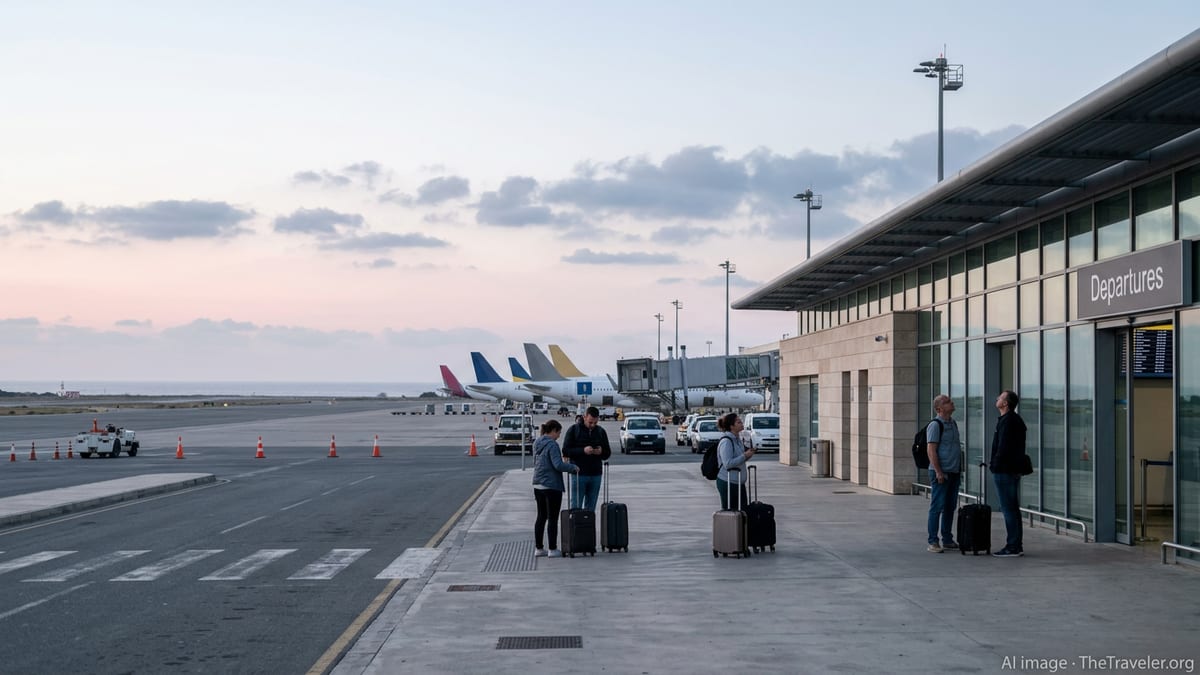
UK Foreign Office Flags Heightened Regional Risk
The UK Foreign, Commonwealth and Development Office has updated its travel advice for Cyprus in recent days, highlighting what it describes as a heightened risk of regional tension linked to the US and Israeli military campaign against Iran and subsequent Iranian strikes. While it has not advised against travel to the island, the Foreign Office now warns that escalation in the wider region could lead to sudden travel disruption and other unanticipated impacts for British nationals in both the Republic of Cyprus and the UK Sovereign Base Areas.
The advisory urges travellers already in Cyprus to stay alert, follow instructions from local authorities and keep their departure plans under close review. It also encourages prospective visitors to consider their own circumstances carefully, monitor news from reputable outlets and sign up for official alerts before and during their trip. Officials stress that Cyprus’s airports and airspace remain open, but caution that airline schedules are subject to rapid change as events unfold in neighbouring states.
The stepped-up language reflects concern in London that Cyprus, home to key British military facilities at RAF Akrotiri, is now directly exposed to the fallout from the worsening confrontation between Iran and Western allies, even though the island itself is not part of the conflict zone.
EasyJet Halts UK–Cyprus Services
Low-cost carrier easyJet has moved swiftly to curtail operations, announcing the cancellation of all scheduled flights between the United Kingdom and Cyprus until at least Thursday. Services on core routes from British airports to Larnaca and Paphos have been suspended, affecting links from London Gatwick as well as key regional departures to the popular holiday island.
According to information from airport operators and airline statements, the decision means that all easyJet UK–Cyprus rotations, including flights from London, Manchester, Bristol and Edinburgh to Paphos, have been scrubbed for several days. Flights on certain other European routes, such as those connecting Cyprus with Berlin, appear to be operating as normal, underlining that the disruption is focused on UK traffic and flight paths affected by the evolving security picture.
Passengers booked on cancelled services have been notified by email and text message and offered the choice of rebooking on alternative dates or receiving a full refund. EasyJet has said it is closely monitoring developments and will review its Cyprus schedule beyond Thursday in line with safety assessments and any changes to regional airspace restrictions.
TUI Cancellations Add to Pressure on Paphos
Package holiday giant TUI has also scaled back its operations to Cyprus in response to the deteriorating security environment. In an update issued this week, the company confirmed that TUI Airways has cancelled at least four flights due to operate to Paphos on Wednesday, citing the current situation and reaffirming that customer and crew safety remains its highest priority.
The affected TUI services include departures from East Midlands, Cardiff, Bournemouth and Manchester, all bound for Paphos. Customers on those flights are being contacted directly and offered fee-free amendments, incentives to rebook at a later date or the option of a full refund. TUI has activated crisis teams and is in close contact with governments and partner airlines across the region as it weighs further schedule adjustments.
The combination of TUI’s targeted cancellations and easyJet’s broader suspension has placed particular pressure on Paphos Airport, which on Wednesday recorded its highest number of cancellations since the current Iran conflict flared. Airport officials reported nine inbound flights cancelled in a single day, with corresponding outbound legs also removed from the schedule, compounding disruption for travellers heading both to and from the resort-focused west coast of Cyprus.
Airports Juggle Cancellations as Holidaymakers Wait
Across Cyprus, airport operator Hermes Airports has reported a rolling wave of cancellations since the weekend, as airlines reassess the risks of operating in a region crisscrossed by rerouted traffic and, in places, closed airspace. Earlier in the week, some 60 flights to and from Cyprus were cancelled in a single day, with 42 of those affecting Larnaca and 18 affecting Paphos. On Wednesday alone, 24 arrivals and departures were cancelled at Larnaca, while Paphos saw its schedule hit hardest so far in the current crisis.
Major European carriers including easyJet, Lufthansa and Austrian Airlines have suspended or adjusted selected services to the island, particularly routes that would normally connect via or overfly parts of the Middle East now subject to military activity or airspace restrictions. British Airways has cancelled some flights but managed to operate others as planned, while airlines such as Jet2 and Ryanair have so far maintained more of their schedules, albeit with the usual caveat that operations remain under constant review.
Cypriot authorities emphasise that national airspace remains open and that no formal restrictions have been imposed on airport operations, beyond the adjustments individual airlines are making on safety grounds. Even so, airport managers are urging passengers to check directly with their airline or travel agent before leaving for the airport, warning that further changes may be announced at short notice as the conflict ebbs and flows.
What British Travellers Should Expect Next
For British holidaymakers, the immediate impact is one of uncertainty. Many travellers with early spring breaks booked to Cyprus now face cancelled flights, limited alternative options and questions over when normal service might resume. Travel industry analysts point out that the current disruption, driven by fast-moving military and diplomatic developments, is inherently difficult for airlines to plan around, and that schedules may remain volatile for days or even weeks.
Consumer rights specialists note that under UK and European regulations, passengers whose flights are cancelled are entitled to a choice between a refund and re-routing, although compensation for disruption may not apply where cancellations are linked to security risks or events outside an airline’s control. With capacity on remaining services tight, travellers may find that the most practical solution is to postpone trips until the regional situation stabilises.
Travel advisers recommend that anyone due to fly to Cyprus in the coming days keeps a close eye on Foreign Office advisories, ensures their contact details are up to date with airlines and tour operators, and avoids turning up at the airport without a confirmed, operating flight. While Cyprus itself remains open for tourism and daily life on the island continues largely as normal, its position on the edge of a fast-escalating conflict means that UK visitors should be prepared for last-minute changes and approach upcoming travel plans with flexibility.