

More news on this day
As geopolitical tensions ripple across the eastern Mediterranean, Cyprus is working to reassure holidaymakers that the island remains one of Europe’s safest and most scenic escapes for 2026, backed by record visitor numbers and fresh investment in tourism infrastructure.
Get the latest news straight to your inbox!
Record-Breaking Tourism Underscores Lasting Appeal
Recent data shows that Cyprus has entered the mid-2020s on a wave of unprecedented tourist demand. Official statistics for 2024 indicate that arrivals surpassed the four million mark for the first time, with around 4.04 million visitors choosing the island in that year, a rise of just over 5 percent on 2023. Tourism revenue passed the 3 billion euro threshold, underscoring the sector’s central role in the Cypriot economy and its resilience in the face of wider global uncertainty.
Momentum carried through into 2025, when industry reports point to an estimated 4.5 million visitors, the highest tally in the country’s history. The United Kingdom remained the largest source market, while arrivals from Israel, Poland and Germany all recorded notable growth, helping to diversify demand beyond traditional summer-only patterns. For 2026, tour operators and hoteliers are using these figures as proof that Cyprus continues to command strong confidence among European travelers.
Industry analysis suggests that Cyprus is benefitting from its blend of established tourism know-how and evolving product. From the beaches of Ayia Napa and Protaras to the historic streets of Nicosia and the wine villages of the Troodos Mountains, the island continues to market a compact mix of coast, culture and countryside. Newer flagship projects, such as the large integrated resort and casino development in Limassol, add to that mix and are intended to anchor Cyprus more firmly on the map for year-round leisure and business tourism in 2026 and beyond.
Hoteliers’ associations and destination marketers are also highlighting improvements in air connectivity over the past two years, with expanded seasonal and year-round links to key European hubs through Larnaca and Paphos airports. This network of flights, built up during the post-pandemic recovery, has made it easier for travelers to switch to Cyprus from rival destinations while retaining convenient schedules and competitive fares.
Navigating Regional Tensions and Traveler Anxiety
The island’s renewed push for 2026 bookings comes at a time when developments in the wider Middle East are adding a layer of uncertainty for visitors. Publicly available coverage of the Iran conflict and the February 2026 drone strikes on the UK’s Akrotiri air base on Cyprus has prompted questions about proximity to potential flashpoints. In response, travel industry briefings and tourism board messaging have emphasized that these military installations are operated by the United Kingdom and are geographically and operationally distinct from the island’s main resorts and urban centers.
Updated travel advice from several European governments reflects a more cautious tone for the region as a whole, but recent statements and consular information continue to treat the Republic of Cyprus separately from active conflict zones. Reports from airline industry channels and international sports bodies planning events on the island in 2026 note that carriers are maintaining normal operations to Cypriot airports, suggesting that commercial risk assessments still view the destination as suitable for regular passenger traffic.
Local tourism stakeholders are candid that the optics of regional instability can influence perceptions even when daily life continues without disruption. In interviews and panel discussions reported by Cypriot and international media, travel executives have urged partners to focus on practical indicators such as airport throughput, hotel occupancy, and the behavior of tour operators, all of which have remained robust through 2025. For 2026, early booking patterns from core European markets are being closely tracked as a barometer of how quickly any jitters might subside.
Analysts also point out that Cyprus has a long history of managing its role as the European Union’s closest member state to the Middle East. Over decades, the island has weathered regional conflicts while maintaining its visitor flows, often positioning itself as a stable base from which travelers can enjoy Mediterranean sunshine and culture at a perceived remove from the most acute areas of tension.
Safety, Infrastructure and Water Security in Focus
Alongside its tourism messaging, Cyprus is foregrounding practical measures that underpin visitor safety and comfort. International indexes and comparative studies in recent years have consistently ranked the island among the safest countries in the European Union when measured by crime rates and public security, a point that travel advisers and tour operators frequently cite in marketing to families, older travelers and solo visitors.
Infrastructure resilience has become another key talking point, particularly in relation to climate pressures. Following lower-than-average rainfall and concerns over reservoir levels, the government has moved to shore up water supplies that are vital for both residents and the tourism industry. In 2024, publicly reported agreements saw the temporary deployment of portable desalination units from the United Arab Emirates to supplement local capacity during peak summer demand, alongside plans for additional mobile and permanent plants in the coming years.
For 2026 visitors, these investments are presented as part of a broader strategy to ensure that hotels, resorts and municipal services can operate normally even in dry years. Tourism officials and local authorities have outlined initiatives ranging from hotel-level water efficiency programs to upgraded sewage and recycling facilities in major resorts such as Paphos, Limassol and Ayia Napa. Such measures are increasingly important in convincing environmentally conscious travelers that Cyprus can offer a comfortable stay without excessive strain on local resources.
Transport and healthcare infrastructure also feature prominently in destination briefings. Larnaca and Paphos airports, served by a mix of full-service and low-cost carriers, are supported by modern road networks connecting quickly to resort areas. Meanwhile, the island’s network of public and private hospitals, clinics and emergency services is regularly highlighted in promotional material targeting retirees and long-stay visitors looking toward 2026 holidays and extended winter escapes.
Shifting Toward Year-Round, Sustainable Tourism
Beyond immediate safety and logistical considerations, Cyprus is using the record seasons of 2024 and 2025 as a springboard to reorient its tourism model by 2030 and beyond. The national tourism strategy, updated in recent years, calls for a shift from a heavily summer-focused beach destination to a more balanced, twelve-month offering. This includes promoting cultural tourism in historic centers such as Nicosia and Limassol, nature-based activities in the Troodos Mountains, wine routes, wellness retreats and sports tourism, including cycling and hiking.
Industry groups note that stronger arrivals in traditionally weaker months such as October, November and December have already begun to validate this approach. The goal for 2026 is to consolidate these gains by encouraging airlines to keep shoulder-season frequencies, while hotels adapt with flexible pricing, thematic events and partnerships with specialist tour operators. The emergence of integrated resorts and conference venues is expected to support a parallel push into meetings, incentives, conferences and exhibitions, helping fill beds outside the core summer window.
Sustainability has become another pillar of Cyprus’s positioning as it seeks to differentiate itself within the Mediterranean. Reports point to increased adoption of renewable energy in hotels, coastal zone management projects, and village-level tourism initiatives designed to spread economic benefits inland. Authorities are gradually tightening regulations on coastal construction and short-term rentals, aiming to protect landscapes and communities that form the backbone of the island’s scenic appeal.
For many European travelers weighing options for 2026, these shifts mean that Cyprus can be marketed not only as a sun-and-sea standby, but also as a destination for slower, more immersive stays. Local travel businesses are experimenting with experiences such as agritourism stays, culinary tours, archaeological workshops and guided nature excursions, all of which help broaden the image of the island beyond its beaches.
Positioning Cyprus as a Confident Choice for 2026 Holidaymakers
Looking ahead to the 2026 peak season, Cyprus faces the dual task of acknowledging regional anxieties while reinforcing its track record as a tranquil holiday setting. Travel trade coverage suggests that tour operators are focusing their messaging on the island’s consistent safety indicators, its alignment with European Union standards and its long experience in hosting mass tourism without major disruption.
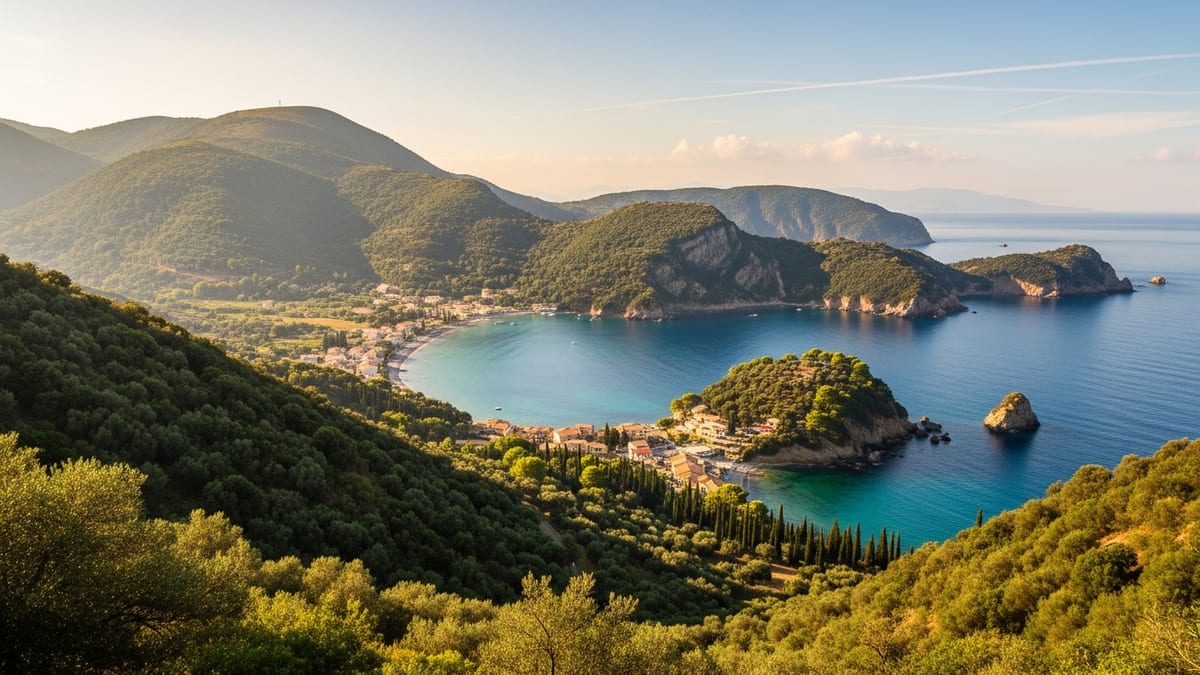
Marketing campaigns rolling out across the United Kingdom, central Europe and emerging markets emphasize familiar images of clear Mediterranean waters, Blue Flag beaches and pine-covered mountain trails, paired with reminders of the island’s accessible scale and English-friendly services. At the same time, brochures and digital content for 2026 are placing greater weight on cultural festivals, rural guesthouses and local gastronomy, encouraging visitors to see Cyprus as both relaxing and richly layered.
For risk-aware travelers, practical reassurance is likely to come from continued normal operations in 2025 and early 2026, including steady flight schedules, open resorts and the smooth staging of international events and conferences. If those indicators remain positive, Cyprus appears well placed to convert curiosity into bookings and to maintain its reputation as a safe, scenic Mediterranean refuge at a time when predictability is in short supply.
As airlines load their 2026 summer timetables and early-bird package deals go on sale, the island’s message to potential visitors is clear: Cyprus intends to remain a dependable and welcoming choice, combining hard security metrics, robust infrastructure and enduring natural beauty for holidaymakers seeking both peace of mind and memorable experiences.