

More news on this day
A Dallas-based American Airlines flight attendant who vanished during a layover in Colombia has been found dead, according to recent local and U.S. media coverage, intensifying concern over crew safety on international routes popular with American travelers.
Get the latest news straight to your inbox!
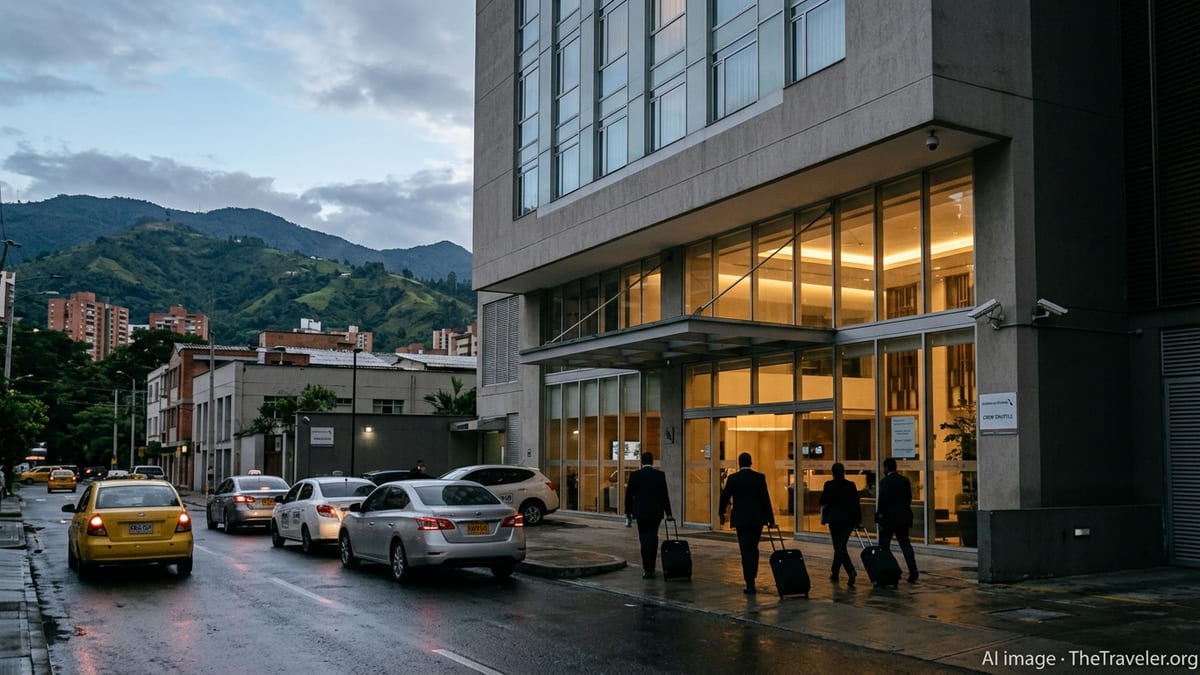
From Missing Person to Death Investigation
Recent coverage in Colombian and U.S. outlets indicates that the flight attendant, identified in some reports as Fernando Gutierrez and based at Dallas Fort Worth International Airport, disappeared while on a layover in the Medellín region. Initial social media posts and community messages described him as missing after he failed to rejoin his crew as scheduled.
Subsequent updates in Dallas-area media and aviation community forums report that he was later found deceased in a town in the department of Antioquia, a mountainous region popular with international visitors. Early posts referenced searches in and around Medellín before news emerged that his body had been located some distance from the city.
At the time of writing, publicly available reports do not present a complete narrative of his final movements between the hotel, nightlife districts, and the outlying area where he was reportedly discovered. Information on the cause and manner of death has not yet been clearly detailed in widely accessible English-language coverage, leaving many questions for friends, colleagues, and fellow travelers.
The case has resonated strongly among flight attendants and aviation workers who have followed updates through internal communities and public social media channels, underscoring how quickly a routine trip can turn into a crisis far from home.
Layover Culture in Medellín and Antioquia
Medellín and the surrounding Antioquia region have in recent years become a favored stop for U.S. travelers drawn by temperate weather, green hills, and increasingly sophisticated hospitality infrastructure. For cabin crew, the city is a regular layover point on North American airline schedules, with hotels clustered near major avenues and commercial districts.
Public discussions among aviation workers frequently describe a typical layover pattern of checking into a hotel, visiting nearby restaurants or nightlife areas such as El Poblado, and returning in time for an early call the next day. In this context, a disappearance after a night out can initially be mistaken for a delay, miscommunication, or scheduling mix-up rather than an emergency.
Social media commentary surrounding this case references the possibility of outings beyond the immediate city center, into the picturesque pueblos and rural landscapes of Antioquia. These trips are part of the appeal for travelers but can complicate searches when someone goes missing, especially if they fall out of contact and move beyond standard transport corridors.
The geography around Medellín, marked by steep valleys, winding roads, and scattered small towns, adds another layer of complexity. Once an individual leaves well-known hotel zones or rideshare routes, retracing their steps can be challenging for family, colleagues, or consular staff trying to piece together a timeline.
Crew Safety Concerns on International Routes
The death of a flight attendant during an overseas layover has revived conversations among aviation workers about personal safety and company protocols on international trips. Cabin crew forums and travel communities often recount incidents of theft, drink-spiking, or targeted crime involving visitors in major Latin American cities, even as many travelers experience trouble-free visits.
While comprehensive details about what happened in this case have not been fully outlined in public reporting, the tragedy is being discussed in the broader context of how airlines, hotels, and crews coordinate around check-ins, missed departures, and welfare checks. Commenters have drawn parallels to earlier incidents in which crew members were found dead in hotels well after scheduled checkout times, fueling ongoing debates over duty-of-care standards.
Publicly available information shows that many airlines rely on a combination of hotel wake-up calls, internal scheduling systems, and personal responsibility when crew are off-duty. When someone does not appear at the designated meeting point, the response can range from penalties in internal systems to more active attempts to locate the person, depending on company policies and local constraints.
For travelers, these discussions offer a sobering reminder that crew members, often seen only in the professional setting of the cabin, face many of the same vulnerabilities as tourists once they leave the airport and step into unfamiliar urban environments.
Impact on the Dallas and Airline Communities
Dallas Fort Worth, one of American Airlines’ largest hubs, has a substantial community of flight attendants, pilots, and ground staff who develop close-knit networks over years of shared trips. Reports indicate that colleagues, friends, and members of the wider airline community in North Texas have been sharing tributes and expressions of grief online following news of the flight attendant’s death.
According to published coverage and memorial posts, the case has also drawn attention from LGBTQ+ travel and community groups, reflecting how identity and visibility intersect with safety concerns in certain nightlife and social spaces abroad. These conversations highlight the importance of inclusive travel guidance and risk awareness for all travelers, including airline crews.
The incident arrives at a time when flight attendants in the United States have been increasingly vocal about working conditions, mental health, and safety both in the air and on layovers. Many of the reactions captured in public forums frame this loss not only as a personal tragedy, but also as part of a broader pattern of risks faced by front-line aviation workers who spend much of their lives on the road.
For Dallas-based crews who often rotate through the same international routes, the death has reportedly prompted renewed informal check-in habits, with colleagues encouraging each other to share hotel details, planned outings, and return times when venturing out in unfamiliar cities.
What Travelers Can Learn About Safety Abroad
Although the precise circumstances of this case remain incomplete in open reporting, the story carries practical lessons for everyday travelers heading to Colombia or any other international destination. Travel experts and safety guides commonly recommend sharing itineraries with trusted contacts, using established transport options, and being cautious in nightlife settings, particularly where there have been reports of targeted crimes against visitors.
Many crew members posting publicly about the tragedy have emphasized the value of traveling in groups, confirming hotel details before going out, and using location-sharing tools voluntarily within trusted circles. While no precaution can eliminate risk entirely, these practices can make it easier for others to respond quickly when someone does not return as expected.
Colombia remains a major draw for U.S. visitors, including American Airlines passengers and crew traveling through cities such as Bogotá, Medellín, Cartagena, and Cali. For most, trips proceed without incident, filled with memorable cultural experiences, mountain vistas, and vibrant city life. At the same time, the death of a Dallas-based flight attendant in Antioquia is a stark reminder that vigilance is essential, particularly when combining long workdays with late nights out in unfamiliar surroundings.
As more information emerges through formal investigations and additional reporting, this case is likely to feed ongoing discussions in the aviation and travel communities about how to balance the freedom and joy of exploring new destinations with realistic assessments of personal safety far from home.