

More news on this day
Travelers across the United States faced another day of disrupted plans as Dallas Love Field logged 108 delays and 12 canceled flights, creating knock-on effects for Southwest, Delta and JSX routes serving Atlanta, Orlando, Houston and other major destinations.
Get the latest news straight to your inbox!
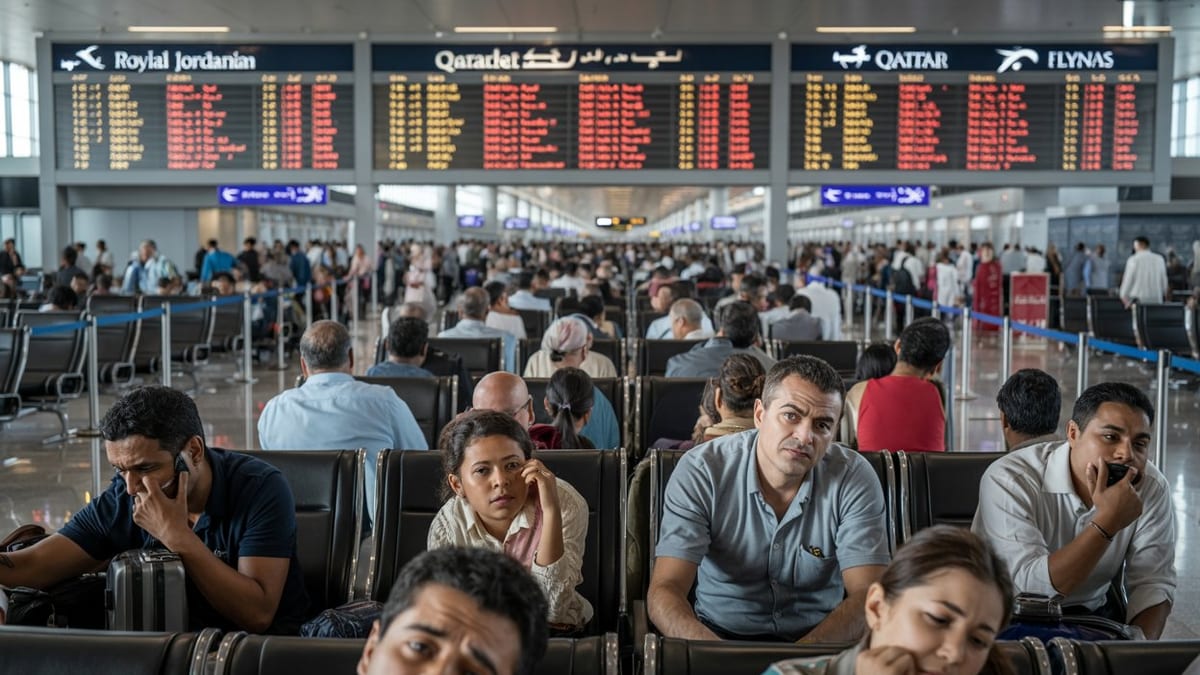
Dallas Love Field Emerges as a Fresh Disruption Flashpoint
Publicly available tracking data for early April indicate that Dallas Love Field has again become a focal point for air travel disruption, with 108 delayed departures and arrivals and 12 cancellations recorded in a single operating window. While far smaller than nearby Dallas Fort Worth International Airport, Love Field’s concentration of point-to-point routes means irregular operations at the airport can quickly reverberate across a wide swath of the domestic network.
Reports from aviation data providers show that the latest issues at Love Field come amid several days of elevated disruption across the national system, including hundreds of cancellations and several thousand delays at major hubs. The imbalance between available capacity and spring demand has heightened the impact of even moderate schedule upsets, leaving travelers more exposed when a mid-size airport such as Love Field experiences operational strain.
In this latest episode, Love Field’s disruption totals are modest compared with the largest national hubs, yet the airport’s role as a key base for Southwest Airlines, together with additional services by Delta Air Lines and JSX, has amplified the consequences. According to published coverage, a relatively small cluster of cancellations can translate into widespread missed connections, aircraft reassignments and crew repositioning challenges that extend well beyond North Texas.
Southwest, Delta and JSX Flights Hit Across Key Sunbelt Routes
Southwest Airlines, the dominant carrier at Dallas Love Field, has been particularly exposed to rolling disruptions this spring, with operational data and media reports highlighting elevated delay volumes across its network. The carrier’s model of operating frequent point-to-point services means that when Love Field departures run late, aircraft and crews scheduled to fly on to Atlanta, Orlando, Houston and other cities may also begin their subsequent legs behind schedule.
Delta Air Lines, which operates a smaller schedule from Love Field into its main hubs, has not been immune. Published reports on nationwide disruption patterns in recent days show Delta managing scattered delays at key hubs including Atlanta while also contending with regional weather and air traffic control programs. When Dallas-originating flights arrive late into hub airports, the effect can cascade into missed onward connections for passengers headed to secondary markets across the Southeast and Midwest.
JSX, the semi-private carrier that links Love Field with a network of short- to medium-haul destinations, has also been drawn into the turbulence. With a comparatively lean fleet and tight turn times, even a handful of delayed Love Field departures can force schedule compressions, aircraft swaps or rolling delays later in the day. As a result, travelers who chose the carrier for its streamlined experience may still find themselves waiting in lounges and small terminals from Texas to Florida.
Atlanta, Orlando and Houston Feel the Knock-On Effects
The ripple effects of Love Field’s 108 delays and 12 cancellations have been most visible along the busy Southern and Sunbelt corridors. Aviation performance snapshots from this week show persistent congestion at Hartsfield Jackson Atlanta International Airport and Orlando International Airport, where weather-related air traffic management initiatives and high demand have already been stretching schedules.
When delayed aircraft from Dallas arrive into Atlanta, the world’s busiest hub must absorb the late operations into already compressed banks of connections. Publicly available information shows that even short arrival holds and departure pushes can lead to gate bottlenecks, forcing subsequent flights to depart late and reducing recovery options for airlines during peak hours.
Houston has also seen intensified strain, with recent coverage detailing how unsettled spring weather around the region has slowed departures and reduced throughput at major airports. As Love Field flights into Houston arrive late or are canceled, travelers face fewer same-day rebooking choices. Those disruptions can then extend outward to connecting passengers bound for destinations across the Gulf Coast, Mountain West and Latin America.
Other cities on the Southwest and Delta networks are experiencing secondary impacts as misaligned aircraft rotations and out-of-position crews ripple even further. Industry data for the first days of April point to several thousand delays nationwide, suggesting that Love Field’s challenges are one visible part of a broader, systemwide squeeze.
Weather, Congestion and Crewing Underscore Systemwide Vulnerabilities
Analysts tracking the current disruption wave point to a familiar but potent combination of drivers: spring thunderstorms in Texas and the Southeast, heavy passenger volumes, and tight staffing at both airlines and air traffic control facilities. Recent nationwide tallies have shown several hundred cancellations and thousands of delays in a single day, indicating that relatively modest weather systems can generate outsized impacts when networks are already operating near their limits.
According to aggregated on-time performance statistics, Dallas Love Field has periodically ranked among US airports with higher than average delay ratios, particularly during peak travel and storm seasons. Its configuration and high utilization can make it sensitive to temporary ground stops and arrival metering, which in turn compress departure windows and prolong taxi times.
The current episode underscores how closely interconnected the US air travel system has become. Disruptions triggered by weather cells over Houston or Dallas, or by congestion at Chicago and New York, can converge with crew duty-time limits and aircraft maintenance requirements, thinning the margin for recovery. Love Field’s 108 delays and 12 cancellations sit within that broader context of fragile operational resilience.
What Travelers Can Expect in the Coming Days
With spring storms forecast to continue across portions of Texas and the Gulf Coast, travel observers expect intermittent turbulence in flight operations to persist through the coming days. Airlines have been adjusting schedules, trimming frequencies on select routes and publishing flexible travel policies around certain affected hubs in efforts to create additional breathing room for operations.
At Dallas Love Field, further pockets of disruption are possible if weather patterns or national air traffic constraints intersect with already busy bank times. Travelers connecting from Love Field through major hubs such as Atlanta, Houston and Orlando may see longer connection times, revised departure slots or last minute gate changes as carriers work to re-stabilize aircraft rotations.
Publicly available guidance from airlines and airports continues to emphasize proactive planning. Same day travelers are being advised across multiple outlets to monitor flight status frequently on airline channels, arrive early at the airport, and remain flexible on routing, as short notice rebookings may involve indirect paths through less congested hubs. For many passengers, the most visible reminder of the system’s strain will remain the crowded departure boards that turned Dallas Love Field’s latest round of delays and cancellations into a nationwide travel story.