

Delaware is a compact state that rewards travelers who know how to move efficiently between its cities, beaches and regional transport hubs. While many visitors arrive by car, the state’s network of public buses, intercity coaches and local shuttles has grown into a practical option for getting around without driving. Understanding how these systems fit together can help you reach Wilmington’s riverfront, Dover’s historic core or the Atlantic beaches with fewer headaches and lower costs.
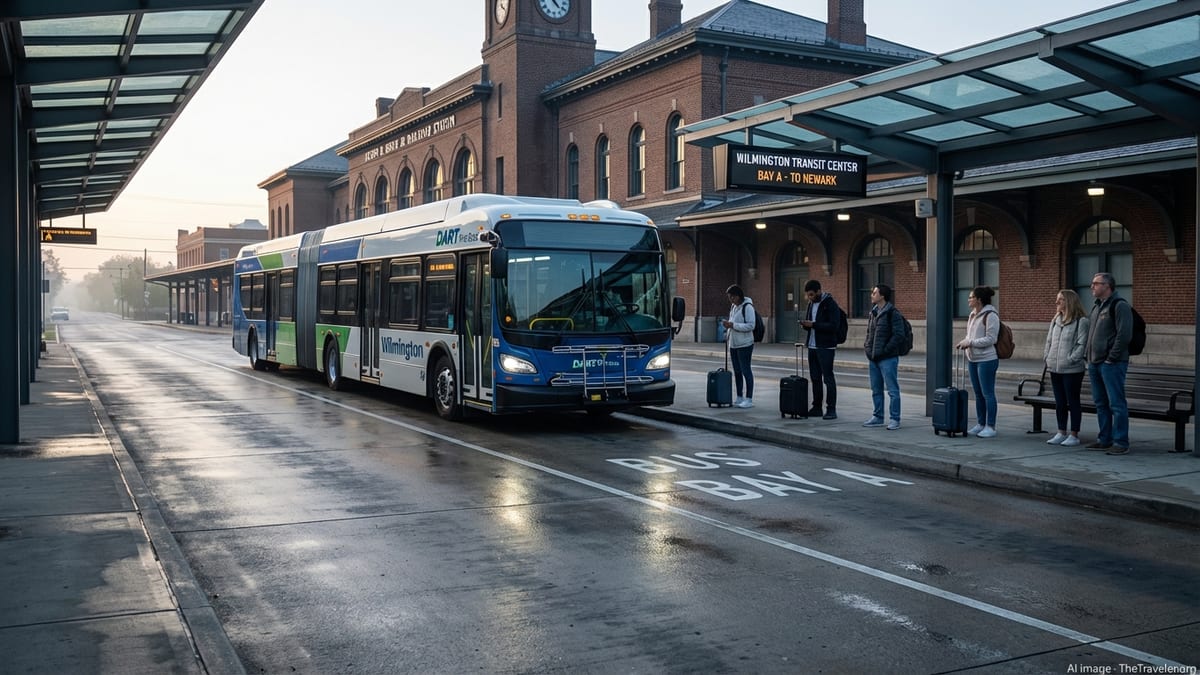
How Bus and Shuttle Travel Works in Delaware
Delaware’s ground transportation is anchored by DART First State, the statewide public bus operator, supported by a mix of university shuttles, seasonal beach services and a handful of private providers. The system is not as dense as big-city transit networks, but it is surprisingly comprehensive for a small state, with routes that link the major towns and tourist areas as well as park and ride hubs along the interstate corridors.
For visitors, the most important concept is that Delaware’s buses are organized by county and by function. New Castle County routes serve Wilmington, Newark and the suburbs around Interstate 95. Kent County routes focus on Dover and smaller communities nearby, while Sussex County routes connect beach towns like Rehoboth Beach, Lewes and the inland service centers such as Georgetown and Seaford. Intercounty buses tie the three regions together, often converging at the modern Dover Transit Center.
Shuttle-style services appear in a few different forms. In university areas, campus-based shuttles supplement DART routes and help students reach nearby train stations and bus hubs. At the beaches, frequent seasonal services effectively act as open-air shuttles linking park and ride lots to boardwalks, outlets and campgrounds. There are also modest numbers of hotel and attraction shuttles that operate independently during peak season, particularly along the coast.
Because timetables and coverage can change from year to year, travelers should think of this guide as a framework rather than a rigid timetable. The broad patterns in how Delaware’s buses and shuttles operate tend to remain stable, but departure times, seasonal frequency and even route numbers can be adjusted as demand shifts, especially around the beach resorts.
DART First State: The Backbone of Delaware Buses
DART First State is Delaware’s statewide public bus system and the primary resource for travelers who want to move between cities without a car. Operating since the 1990s under the Delaware Transit Corporation, DART runs dozens of fixed bus routes that cover urban corridors, smaller towns and important park and ride locations. It also oversees intercounty routes that connect Wilmington and Newark with Dover and the coastal region.
In New Castle County, which includes Wilmington and its suburbs, DART routes fan out from key hubs such as the Wilmington Transit Center and Christiana Mall Park & Ride. Buses serve business districts, hospitals, neighborhoods and the University of Delaware area in Newark. Many visitors first encounter these lines when transferring from an Amtrak or SEPTA train at Wilmington station or when shopping at Christiana Mall along Interstate 95.
Further south, DART operates a network of routes in Kent County based out of the Dover Transit Center. These lines link the state capital with residential areas, shopping districts and smaller towns. In Sussex County, routes link Georgetown, Lewes, Rehoboth Beach and other communities, with additional emphasis on access to the shoreline during the summer season. Several of the Sussex County routes are tailored to bring workers and visitors to the resort corridor.
Intercounty routes are especially important for travelers seeking to combine rail, bus and coastal access. Numbered in the 300 series, they typically use the Dover Transit Center as a midpoint and connect Wilmington with Dover, Dover with Georgetown and Lewes, and similar city pairs. Some of these services are year round, while others expand during warm months to handle heavier flows toward the beach towns. Schedules are built around highway travel times, so buses are generally reliable, but it is wise to allow some buffer time for traffic delays in peak season.
Key Transit Hubs and How to Use Them
Most visitors who arrive in Delaware by train or long distance bus will pass through Wilmington, which serves as the state’s main intermodal gateway. The Joseph R. Biden Jr. Railroad Station in downtown Wilmington houses Amtrak and SEPTA regional rail services and sits just steps from both the Wilmington Transit Center and the intercity bus terminal. This clustering makes it relatively simple to step off a train and quickly connect to local or intercounty buses heading deeper into Delaware.
The Wilmington Transit Center is the primary DART First State hub in the city. Located adjacent to the train station, it offers covered waiting areas, seating, restrooms and real time bus information displays. For travelers, the practical advantage is clear: a significant number of Wilmington bus routes use this center as a starting or ending point, making it the ideal place to change routes or begin a day of sightseeing around the city and its riverfront.
Another important node is the Christiana Mall Park & Ride, situated near the intersection of Interstate 95 and Delaware Route 1. This facility serves multiple local and intercounty DART routes and offers an easy way to combine driving with transit. Travelers arriving by car can leave their vehicle in the park and ride lot and continue by bus toward Wilmington, Newark or, on certain routes, southward toward Dover and the beach region. The mall’s location next to major highways also makes it a frequent pickup point for commuters and shoppers.
In Dover, the modern Dover Transit Center functions as the heart of Kent County bus service and the central stop for intercounty routes. Buses radiate from this facility into residential districts, shopping areas and event venues. Because it hosts both local and longer distance services, the Dover Transit Center is an excellent place to transfer between a bus from Wilmington and a coach heading on toward the beach towns or inland Sussex County communities.
Reaching Delaware by Train and Connecting to Buses
Many travelers enter Delaware by rail, particularly along the Northeast Corridor. Amtrak and SEPTA serve Wilmington, while more limited rail service also reaches Newark. Once in Delaware, buses and shuttles extend the reach of these rail lines into neighborhoods, campuses and resort areas that train tracks do not cover directly.
In Wilmington, the close physical connection between the train station, transit center and intercity bus facilities is a major advantage. After arriving by train, passengers can exit the station and walk a short distance to the Wilmington Transit Center, where DART buses depart for neighborhoods within the city, suburbs in New Castle County and intercounty routes heading south. Travelers continuing toward Dover or the beaches often ride a DART bus from Wilmington to either Dover Transit Center or further connecting points, depending on the season and route structure in place.
Newark, home to the University of Delaware, is another rail entry point, though service is more limited. From the Newark station, DART routes and university shuttle services connect the campus and nearby residential districts. Some buses from Newark continue toward Wilmington, creating a local corridor that complements the train line. While rail frequencies and exact schedules can vary by season and weekday, the general pattern remains: rail for speed along the corridor between Philadelphia and Newark, and buses to complete the trip into local destinations.
For travelers planning multi stage journeys, the most efficient strategy is usually to map the trip around a few key anchors: arrive by train to Wilmington or Newark, connect to a DART route that reaches either a transit center or park and ride, and from there continue on an intercounty route or local line into your final neighborhood or resort town.
Seasonal Beach Bus and Coastal Shuttles
One of Delaware’s most traveler friendly innovations is the expansion of seasonal Beach Bus services that serve the Atlantic coastline. During the summer months, usually from late spring through early fall, DART increases frequency on existing routes and operates additional lines that connect inland park and ride facilities with beach towns, boardwalks, outlet centers and campgrounds.
These Beach Bus routes are designed with visitors in mind. Many operate from large park and ride lots near Lewes and Rehoboth Beach, allowing drivers to leave their cars outside the most congested areas and ride the bus into town. The buses typically run well into the evening during peak season, supporting dinner outings and nightlife, though exact times can shift from one year to the next as DART fine tunes operations.
Service changes are common as the agency responds to demand. In recent planning updates, DART has proposed slight reductions in frequency on some lines where ridership has been lighter and the introduction of new routes in emerging hot spots along the bays and inlets. Travelers should therefore check which Beach Bus route currently serves their campground, rental community or favorite stretch of sand. The core idea remains consistent: high frequency, low stress bus links that make it possible to park once and enjoy the coast without fighting traffic on narrow local roads.
In addition to DART’s branded services, the beach corridor hosts a mix of local trolleys and private shuttles, some of which are operated by hospitality businesses or local partners. These may connect boardwalks with outlying neighborhoods or run circulator loops within a single town. While they can be convenient for short hops, DART’s Beach Bus network is usually the best choice for travelers who need to move between multiple towns or from inland lodging to the oceanfront.
University, Local and Private Shuttles
Delaware’s compact geography and concentration of students mean that university shuttles play a larger role than visitors might expect. The University of Delaware operates extensive internal shuttle services in Newark, and these routes often complement DART lines by filling gaps on evenings or weekends when public frequencies are lower. While university buses primarily serve students and staff, some routes intersect with public hubs such as the Newark train station or the city’s bus stops, making it easier to move between campus and regional transport options.
In Wilmington, local circulators and senior-oriented services provide additional layers of mobility beyond the main DART routes. Specialized paratransit vehicles support riders with disabilities who cannot use fixed route buses, while community shuttles sometimes link residential complexes with shopping centers or medical facilities. Visitors may not encounter these services directly, but they contribute to an ecosystem in which many daily trips are possible without relying on private cars.
Along the coast, private and semi public shuttles are more visible. Hotels, resorts and campgrounds may operate seasonal vans that connect their properties to the nearest beach access, boardwalk or downtown strip. These offerings change frequently and are rarely advertised in a centralized way, so travelers should check directly with their lodging provider. Even when such shuttles exist, DART’s Beach Bus system will usually remain the most predictable option for trips that extend beyond one specific property.
Private intercity shuttles and motorcoach operators also serve Delaware, connecting it to nearby airports and large cities in the Mid Atlantic region. Some run direct trips between the beach towns and major metropolitan areas on summer weekends, while others focus on casino or outlet shopping excursions. Because schedules and routes vary widely, these services are best seen as supplemental opportunities rather than core infrastructure that can be relied upon year round.
Practical Tips for Using Buses and Shuttles in Delaware
A bit of preparation goes a long way when using Delaware’s buses and shuttles. First, study the current route map for the county you plan to visit, and identify the main transit centers, park and ride lots or rail stations nearby. Most journeys will be easier if you anchor them around a known hub, such as the Wilmington Transit Center, Christiana Mall Park & Ride, Dover Transit Center or Lewes and Rehoboth park and ride facilities in the beach region.
Second, pay close attention to service patterns by day of week and season. Many routes in Delaware operate most frequently on weekdays, with reduced service during evenings and weekends. Beach Bus routes do the opposite, running more often during summer days and nights than in the shoulder seasons. Before committing to a car free itinerary, double check whether the bus you plan to rely on runs at the time and on the day you intend to travel.
Third, consider payment options. DART buses typically accept exact change and also support passes or electronic fare media that can reduce the cost of frequent travel. Buying a day or multi ride pass, where available, can be particularly helpful for visitors who expect to make several trips in one day, such as moving between attractions in Wilmington or hopping between beach towns. Using a pass also speeds boarding, which helps keep buses on schedule.
Finally, build flexibility into your plans. While Delaware’s highways are relatively uncongested compared with big nearby metropolitan areas, traffic can still be heavy around Christiana Mall, Dover event venues and the beach corridor in peak season. Buses share those roads, so allow some extra time for transfers and do not schedule connections too tightly. Carry a charged phone with access to operator apps or mobile websites so you can respond if a route is detoured or delayed due to construction or weather.
The Takeaway
Delaware’s bus and shuttle network might appear modest on a map, but for travelers willing to plan ahead it provides reliable, cost effective access to the state’s major destinations. DART First State’s county and intercounty routes form a backbone that links Wilmington, Newark, Dover and the coastal towns, while seasonal Beach Bus services make summer visits to the Atlantic shoreline far less stressful for those who prefer not to drive everywhere.
Transit hubs like the Wilmington Transit Center, Christiana Mall Park & Ride, Dover Transit Center and the coastal park and ride facilities simplify transfers between local, intercounty and seasonal routes. When combined with rail access from Amtrak and SEPTA, these hubs make Delaware surprisingly reachable without a car, especially for visitors arriving from major cities along the Northeast Corridor.
The key to using these options successfully is to understand the rhythm of service by season, follow current timetables closely and give yourself a bit of wiggle room when connecting between modes. With those habits in place, buses and shuttles can turn Delaware into an easy to explore destination, whether you are heading for historic riverfronts, small town main streets or the boardwalk lights of the Atlantic coast.
FAQ
Q1. Can I visit Delaware without renting a car if I rely on buses and shuttles?
Yes, it is possible to see key parts of Delaware without a car by combining DART First State buses, seasonal Beach Bus routes, university shuttles and regional rail, although you will need to plan your routes and schedules carefully.
Q2. Which Delaware cities are best served by public buses?
Wilmington, Newark, Dover and the main beach corridor around Rehoboth Beach and Lewes generally have the strongest bus coverage, thanks to a combination of local routes, intercounty services and seasonal Beach Bus lines.
Q3. How do I connect from an Amtrak or SEPTA train to local buses in Wilmington?
When you arrive at Wilmington’s downtown train station, you can walk a short distance to the adjacent Wilmington Transit Center, where multiple DART First State routes depart for neighborhoods around the city and onward connections to Dover and other parts of Delaware.
Q4. Is there bus service from Wilmington or Newark to the Delaware beaches?
Yes, intercounty DART routes typically connect the northern part of the state with Dover and the coastal region, and during the summer these are supplemented by frequent Beach Bus services that run between inland park and ride lots and the beach towns.
Q5. When do Delaware’s Beach Bus services operate?
Beach Bus routes usually run from late spring through early fall, with the most frequent service in midsummer. Exact start and end dates, as well as operating hours, are adjusted periodically based on demand.
Q6. Are buses and shuttles in Delaware accessible to travelers with disabilities?
Most DART First State buses and transit centers are equipped with accessibility features such as low floor boarding, ramps or lifts and designated spaces for mobility devices, and paratransit services are available for riders who cannot use the fixed route system.
Q7. How much should I expect to pay for a typical bus ride in Delaware?
Fares vary by route and any discounts for passes or reduced fare categories, but a single ride on a DART bus is generally priced to be affordable compared with parking and driving, and day or multi ride passes can lower costs for frequent travelers.
Q8. Do Delaware buses run late at night?
Some routes, especially in urban areas and along the beach during peak season, operate into the evening, but true late night service is limited, so travelers should check the last departure of the day and avoid assuming buses will match big city overnight frequencies.
Q9. Can I bring luggage on DART buses and Beach Bus services?
Small and medium sized luggage is usually accepted as long as it does not block aisles or seats, but travelers with large bags or bulky gear should be prepared to manage it themselves and may find peak hour trips on crowded routes less comfortable.
Q10. What is the best way to stay updated on route changes or delays?
The most reliable approach is to check the official information channels for DART First State before and during travel, using mobile tools where available and paying attention to notices at major transit centers about service adjustments, detours or seasonal schedule changes.