

Delaware may be a small state, but it sits on one of the busiest rail corridors in the United States. Whether you are commuting to Philadelphia, heading to New York for a weekend, or connecting between Washington and Boston, trains that pass through Wilmington and Newark can make your trip faster and less stressful than driving. This guide explains the major routes, how to buy tickets, what to expect at the stations, and practical tips to make the most of traveling by train in Delaware.
Understanding Train Travel in Delaware Today
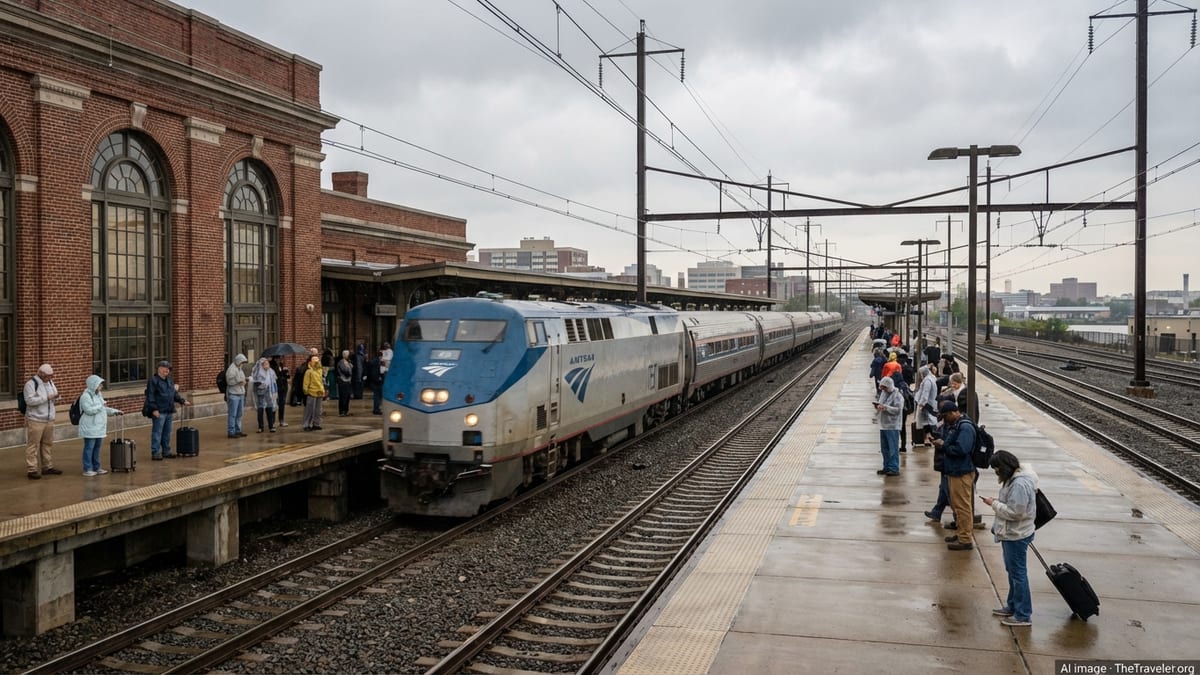
Delaware’s passenger rail service is built around the Northeast Corridor, the electrified main line that runs from Washington to Boston. Amtrak operates intercity trains along this route, while the Southeastern Pennsylvania Transportation Authority, better known as SEPTA, provides commuter-style service between Delaware and the Philadelphia region. Together, they offer options for both long distance trips and daily commuting.
Most passenger services in Delaware focus on two key stations: Wilmington and Newark. Wilmington is a major stop on Amtrak’s Northeast Regional and high speed Acela services, while Newark functions as a smaller stop that primarily serves the University of Delaware community and commuters. SEPTA’s Wilmington/Newark Line links these stations with Philadelphia, making Delaware an integral part of the broader Mid-Atlantic rail network.
Behind the scenes, the Delaware Department of Transportation helps fund and coordinate commuter rail within the state. Over the past few years, capacity upgrades between Wilmington and Newark and a renovation of the Wilmington station have improved reliability and accessibility for passengers. At the same time, regional agencies continue to debate funding and future service levels, so riders should always confirm current schedules and fares before traveling.
Because the Northeast Corridor is shared by many operators and hosts intense traffic, conditions can change quickly. Construction projects, funding decisions, and equipment upgrades can influence frequencies and travel times. For that reason, think of this guide as a framework: it outlines how the system works, what routes are available, and the best strategies for getting value from your ticket, while encouraging you to double-check details close to your travel date.
Key Routes and Where They Go
For most travelers, the backbone of train service in Delaware is Amtrak’s Northeast Regional. These trains connect Wilmington and Newark with Washington, Baltimore, Philadelphia, New York City, and points north into New England. Wilmington is a regular stop on most Northeast Regional trains, with multiple departures in each direction daily. Newark, by contrast, has more limited Amtrak service, with a small number of trains stopping on weekdays and a modest but steadier pattern of service on weekends.
High speed Acela trains also stop at Wilmington, offering a faster, business oriented option for trips to Washington, Baltimore, Philadelphia, New York, and Boston. In recent years, Amtrak has begun introducing a new generation of Acela equipment on this corridor, designed to reach higher speeds and improve comfort. For riders in Delaware, that typically translates to shorter travel times compared with conventional services and a more premium onboard experience, albeit at higher fares.
SEPTA’s Wilmington/Newark Line provides the primary commuter rail link for Delaware residents who work or study in the Philadelphia region. Trains operate along the same Northeast Corridor tracks but stop more frequently at local stations between Delaware and Center City Philadelphia. Within Delaware, SEPTA serves Claymont, Wilmington, Churchmans Crossing, and Newark, with service patterns that concentrate the longest trips at weekday peak times. Most weekend trains turn around in Wilmington, so Newark riders should pay particular attention to the timetable.
Looking to the future, Maryland and Delaware officials have periodically discussed extending Maryland’s MARC commuter rail service north to Wilmington to connect with SEPTA. While these plans are still in the planning and funding stages and subject to change, they underscore the strategic importance of Delaware as a rail crossroads between the Washington and Philadelphia regions. For now, however, Amtrak and SEPTA remain the practical choices for travelers using trains in the state.
Major Delaware Stations: What to Expect
Wilmington’s Joseph R. Biden Jr. Railroad Station is the primary rail gateway in Delaware. Located in downtown Wilmington, it is a staffed station that handles frequent Amtrak and SEPTA trains. Recent renovation work has focused on bringing the station into a good state of repair and improving accessibility, including upgraded escalators and interior stairs. The station typically offers waiting areas, restrooms, staffed ticket counters during core hours, and automated kiosks, along with taxi and local transit connections just outside.
Because Wilmington is a significant stop on both Northeast Regional and Acela services, trains here can be busy at peak times, especially early mornings toward the north and late afternoons heading south. Boarding is usually organized by track and platform, with announcements in the station and on display boards. Passengers should arrive early enough to locate the correct track, especially if they are carrying luggage or traveling with children or mobility aids.
Newark station is smaller and more modest, but it serves an important role for the western part of New Castle County and the University of Delaware community. It sits a short walk from campus and downtown Newark’s Main Street, with a parking lot that supports park and ride commuters. Newark has both SEPTA commuter service and limited Amtrak Northeast Regional service. Because only a few Amtrak trains stop here, travelers with flexible schedules often find more choice by starting or ending their trip at Wilmington.
Between Wilmington and Newark, Churchmans Crossing and Claymont function primarily as commuter rail stops. These stations are served by SEPTA and supported by Delaware transit agencies as part of the regional network. Facilities at these smaller stops are generally simpler, with shelters, platforms, and parking rather than the full amenities of a large intercity terminal. Riders using these stations should be prepared to buy tickets on the SEPTA app, from vending machines if available, or from conductors when permitted under current policies.
Tickets, Fares, and How to Buy
Ticketing in Delaware depends on whether you are traveling on Amtrak or SEPTA. Amtrak uses a dynamic pricing system on its Northeast Regional and Acela trains. Fares fluctuate based on demand, time of day, day of the week, and how far in advance you book. In general, buying tickets earlier and being flexible with departure times can significantly reduce the cost, especially on busy routes like Wilmington to New York or Washington. Discount programs may be available for students, seniors, military personnel, and children, though eligibility and amounts can change over time.
Amtrak tickets can be purchased through the Amtrak website, mobile app, station ticket counters at staffed locations like Wilmington, or at station kiosks. Many passengers prefer electronic tickets, which can be displayed on a smartphone for scanning on board. Paper tickets are still available for those who prefer them or who do not have access to a smartphone. When booking, pay attention to whether your train is Northeast Regional or Acela, as travel times and prices differ, and not all trains stop at both Wilmington and Newark.
SEPTA uses a different fare system tailored to frequent commuters and shorter distance riders. Fares often vary by zone and time of day, with potential peak and off peak pricing. In recent years, SEPTA has encouraged riders to use its app and reloadable fare media to pay for rides rather than relying on cash. Exact structures can shift over time as the agency updates its policies, so it is wise to review current Regional Rail fares for the Wilmington/Newark Line before you travel and to consider whether a pass or individual ticket offers the best value for your situation.
Regardless of the operator, travelers should note that tickets are not interchangeable between Amtrak and SEPTA. A SEPTA ticket will not be accepted on Amtrak trains, and an Amtrak ticket does not cover SEPTA commuter service. If a disruption leads you to switch operators, you will almost always need to buy a new ticket unless a specific arrangement is announced during the service change. To avoid surprises, always confirm which operator you are riding and keep your proof of payment accessible for conductors who will check tickets on board.
Planning Your Journey and Making Connections
Effective planning starts with understanding how long your trip is likely to take and what connections you may need. On Amtrak, travel times from Wilmington to Philadelphia are usually under an hour, while trips to New York or Washington typically take several hours depending on train type and number of intermediate stops. Acela services usually shave some time off these journeys, whereas Northeast Regional trains balance speed with slightly more stops and lower fares.
SEPTA’s Wilmington/Newark Line operates more like a commuter service, with scheduled travel times that reflect frequent stops and potential congestion along the shared corridor. Riders heading from Claymont, Wilmington, Churchmans Crossing, or Newark to Center City Philadelphia should budget extra time for potential delays, particularly during peak commuting hours when the corridor is at its busiest. Because weekend and evening service patterns can differ significantly from weekday schedules, confirm that your planned train runs on the day and time you are traveling.
Delaware’s train stations also serve as gateways to local and regional connections. In Wilmington, passengers can typically transfer to local buses, intercity buses, taxis, and ride hailing services. The station’s downtown location makes it feasible to walk to some offices, hotels, and attractions. In Newark, the station is a practical starting point for walks or short bus rides to the university campus or downtown restaurants and shops. At smaller commuter stops like Claymont and Churchmans Crossing, parking areas and local bus routes help connect riders from nearby neighborhoods and suburbs.
If your trip involves changing operators, such as taking SEPTA to Philadelphia and then connecting to Amtrak for a longer distance leg, allow generous connection time. While both systems use the same corridor in many places, they run on independent schedules, and a delay on one will not automatically result in a held connection on the other. Consider building in a buffer of at least one or two scheduled trains when planning important connections, especially for flights, business meetings, or events with strict start times.
Onboard Experience, Accessibility, and Safety
Onboard conditions vary between Amtrak and SEPTA, reflecting their different roles. Amtrak Northeast Regional and Acela trains typically offer reserved seating, power outlets at most seats, restrooms in each car or every few cars, and limited food and beverage service in a café car. Wi fi is commonly available, though performance can vary along the route. Acela services usually provide a somewhat quieter environment and more business oriented amenities, while Northeast Regional trains aim for a balance between comfort and value that suits families, students, and vacation travelers.
SEPTA commuter trains are more utilitarian, focusing on moving large numbers of passengers during busy peak periods. Seating is generally first come, first served with no reservations, and space can be tight during rush hours. Some cars may include restrooms, but not all do, and food service is not typically provided. Riders are encouraged to travel light, especially during peak periods, and to be mindful of open seating for those with mobility challenges, older adults, and pregnant riders.
Accessibility has improved in Delaware’s rail stations over the past decade, particularly following renovation projects at Wilmington. Elevators, escalators, ramps, and clearer signage make it easier for passengers with reduced mobility or heavy luggage to reach platforms and board trains. Onboard, both Amtrak and SEPTA operate accessible equipment, but the level of convenience can still vary depending on the specific train, car type, and platform height at your boarding station. When in doubt, contact the operator in advance to request assistance or to confirm available accommodations.
Safety on the Northeast Corridor is a shared responsibility among operators and passengers. Both Amtrak and SEPTA have implemented modern train control and signaling systems designed to reduce the risk of collisions and overspeed incidents. Riders can contribute by remaining behind safety lines on platforms, paying attention to announcements, securing luggage, and avoiding distractions when boarding or stepping off trains. As with any busy transportation hub, it is sensible to keep valuables close and to be aware of your surroundings, particularly late at night or during crowded periods.
Money Saving Strategies and Practical Tips
Even on a busy corridor, there are ways to keep train travel in Delaware affordable. For Amtrak trips, booking early is usually one of the most effective strategies. As lower fare buckets sell out on popular trains, prices tend to increase, so locking in a ticket days or weeks in advance can yield noticeable savings. Being flexible about departure times can also help: mid day or late evening trains on some days may be less expensive than peak morning or late afternoon departures.
For frequent travelers, it is worth exploring Amtrak’s various discount programs and loyalty options, which can include reduced fares for certain age groups, students, or rail pass holders. These programs evolve over time, and availability may differ by route or time of year, so check current offerings before booking. When comparing Northeast Regional and Acela fares, consider your priorities. If arriving an hour earlier would not significantly change your plans, the lower cost of a Northeast Regional ticket might be more appealing than the time savings of Acela.
On SEPTA, the key to saving money is understanding the fare structure and using the most efficient payment option. Multi ride passes or weekly and monthly products can provide good value for regular commuters between Delaware and Philadelphia. Off peak pricing, when available, can reduce costs for travelers with flexible schedules. Because SEPTA periodically revises its fares and payment technology, it is wise to consult the latest Regional Rail information and, if possible, adopt the agency’s recommended fare media rather than paying onboard, where surcharges sometimes apply.
Other practical tips apply across both systems. Travel with a digital copy of your ticket and a photo ID, especially for longer Amtrak journeys. Label your luggage clearly and keep smaller bags under your seat or directly overhead to avoid cluttering aisles. In winter or during active construction seasons, build extra time into your plans in case of weather related or infrastructure delays. Finally, if you have specific needs such as bicycle transport, traveling with pets, or requiring extra assistance, confirm current policies in advance, as rules can change and may differ between Amtrak and SEPTA.
The Takeaway
Delaware’s position on the Northeast Corridor gives its residents and visitors access to an impressive range of rail options for such a compact state. From Wilmington’s busy intercity terminal to Newark’s university focused stop and the quieter commuter stations in between, trains link Delaware with major cities throughout the Mid Atlantic and Northeast. Amtrak’s Northeast Regional and Acela services provide fast, comfortable intercity connections, while SEPTA’s Wilmington/Newark Line serves daily commuters and regional travelers.
At the same time, the rail landscape is evolving. Investments in infrastructure and station improvements have strengthened reliability and accessibility, while broader funding debates and service proposals continue to shape how frequently trains run and where they stop. For travelers, the most important habits are to stay informed, check schedules and fares close to the travel date, and choose the operator and route that best match their budget, timing, and comfort preferences.
With a bit of planning and an understanding of how Amtrak and SEPTA operate in Delaware, train travel can be one of the most efficient, relaxing, and sustainable ways to move along the busy East Coast. Whether you are catching a morning commuter train to Philadelphia or settling into a long distance ride to New York or Washington, Delaware’s trains offer a practical and often enjoyable alternative to traffic on Interstate 95.
FAQ
Q1. Which train companies operate passenger service in Delaware?
Amtrak and SEPTA provide the primary passenger rail services in Delaware. Amtrak handles intercity routes on the Northeast Corridor, while SEPTA operates the Wilmington/Newark commuter line connecting Delaware with the Philadelphia region.
Q2. What are the main train stations in Delaware?
The main stations are Wilmington’s Joseph R. Biden Jr. Railroad Station and Newark station. SEPTA also serves Claymont and Churchmans Crossing as commuter stops, giving riders additional options within northern Delaware.
Q3. How often do Amtrak trains stop in Wilmington and Newark?
Wilmington sees frequent daily Amtrak service on Northeast Regional and Acela trains, with multiple departures in both directions. Newark has more limited Amtrak service, with a smaller number of trains stopping each day, so riders there often plan around specific departures.
Q4. Can I use a SEPTA ticket on Amtrak trains?
No. Tickets are not interchangeable between operators. A SEPTA ticket will not be accepted on Amtrak, and an Amtrak ticket is not valid on SEPTA commuter trains. Separate tickets are required if you switch between systems.
Q5. Is it cheaper to take SEPTA or Amtrak from Delaware to Philadelphia?
SEPTA is generally less expensive for short trips, especially for regular commuters using passes or off peak fares. Amtrak can be faster and more comfortable, but usually costs more. The best choice depends on your budget, schedule, and comfort preferences.
Q6. How far in advance should I buy an Amtrak ticket from Wilmington?
Amtrak uses dynamic pricing, so buying earlier often secures a lower fare, particularly on busy routes to New York or Washington. For popular times, purchasing at least several days or weeks ahead can help reduce costs and ensure seat availability.
Q7. Are Delaware train stations accessible for passengers with disabilities?
Wilmington station has undergone accessibility improvements, including better vertical circulation and modernized facilities. Newark and the smaller commuter stops also offer accessible features, but convenience can vary, so it is wise to confirm specific needs with the operator before traveling.
Q8. Can I bring luggage on trains in Delaware?
Yes. Amtrak allows carry on luggage within size and quantity limits that can vary by service, and most passengers use overhead racks and under seat space. SEPTA trains accommodate smaller bags and backpacks, but space can be tight, so traveling light is recommended during peak periods.
Q9. Do trains in Delaware offer Wi fi and power outlets?
Most Amtrak Northeast Regional and Acela trains provide Wi fi and power outlets at many seats, though performance can vary. SEPTA’s commuter trains are more basic, with a focus on short trips, and riders should not rely on Wi fi or outlets being available on every car.
Q10. How can I stay updated on schedule changes and disruptions?
Use the official apps or alert systems for Amtrak and SEPTA to check real time status, track work advisories, and service alerts before and during your trip. Because the Northeast Corridor is a busy shared line, checking close to departure time is one of the best ways to avoid surprises.