

More news on this day
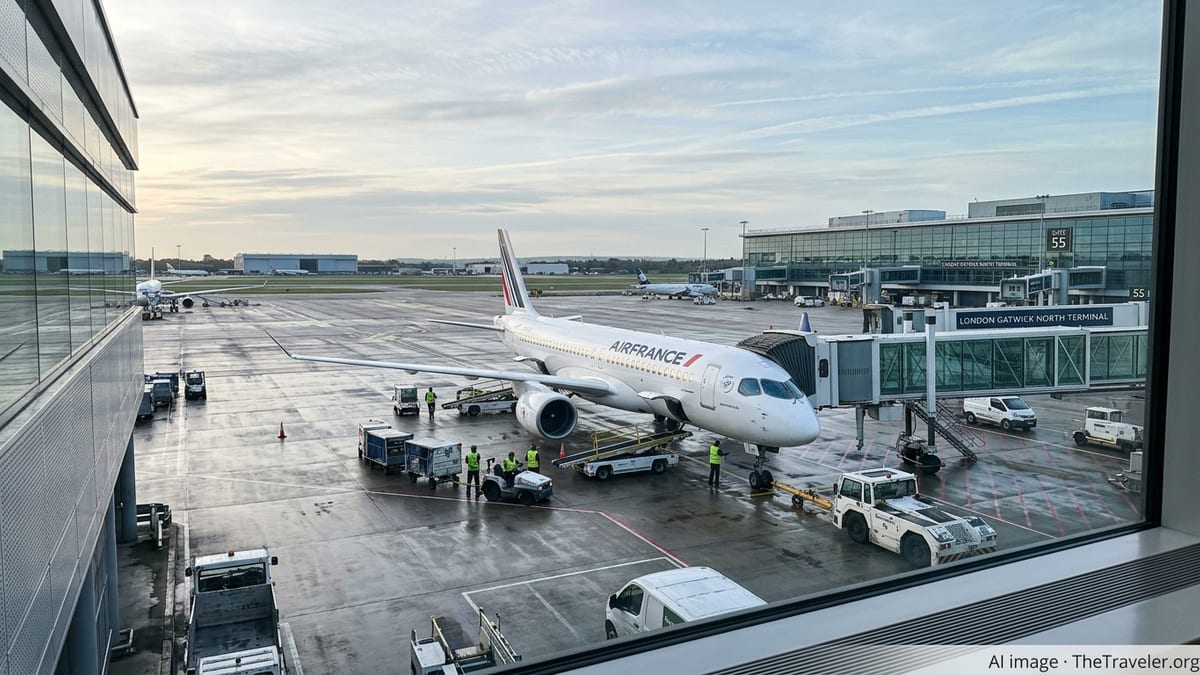
Passengers using London Gatwick on Wednesday, April 8 are facing another day of disruption, with live flight boards showing a mix of delays and cancellations across both short haul and leisure routes.
Get the latest news straight to your inbox!
Steady trickle of disruption on departures and arrivals
Publicly available flight information for Wednesday, April 8 indicates that Gatwick’s operation is broadly holding up, but with a noticeable number of delayed and cancelled services scattered through the day’s schedule. Early morning departures saw some of the longest waits, with several flights to European hubs and holiday destinations pushed back by 45 minutes or more as aircraft and crews arrived late from earlier rotations.
Arrivals data shows a similar picture, with a cluster of inbound services from continental Europe and the Mediterranean running behind schedule. Some flights appear to have absorbed delays built up at other congested airports, while a smaller number have been cancelled outright and removed from the boards. The pattern is consistent with recent days across the UK and Europe, where even relatively small issues have triggered wider knock on effects in tightly timed airline networks.
Low cost carriers and leisure airlines, which rely heavily on rapid turnarounds at Gatwick, appear particularly exposed when an inbound aircraft arrives late. When this happens, the delay can ripple through the rest of the day’s program, affecting passengers on later departures who may only learn of schedule changes a few hours before travel.
Context of a strained early April travel period
The disruption at Gatwick today comes against the backdrop of a pressured early April travel window. Recent coverage of Easter period operations across Europe has highlighted how stormy weather, pockets of industrial action and ongoing air traffic control bottlenecks have left airlines with little spare capacity to recover from even routine glitches. Reports indicate that UK hubs have been dealing with elevated passenger numbers compared with the same period last year, adding further strain to schedules.
Industry analysis of London’s main airports has repeatedly identified Gatwick as having some of the tightest operating margins, in part because it relies on a single runway. Previous data releases on London airport performance showed that Gatwick has tended to record some of the longest average departure delays among UK airports, underlining how quickly minor slowdowns can translate into missed slots and congested stands.
While there are no indications of a single major incident driving today’s problems, the broader European aviation environment remains sensitive to weather systems and congestion in busy air corridors. When conditions deteriorate over mainland Europe, even temporarily, UK airports such as Gatwick often see a secondary wave of late arrivals and forced schedule adjustments.
Weather and operational factors influencing today’s schedule
Forecasts and recent operational briefings suggest that weather is playing a role in some of the timing issues seen today, though not at the extreme levels associated with full ground stops. Patchy low cloud, gusty winds and showers in parts of northern Europe can require increased separation between aircraft, which reduces runway throughput and can cause delays that feed into Gatwick’s arrivals bank later in the day.
Operational considerations within the airport itself are another factor. Gatwick’s published adverse weather and resilience planning documents emphasise that, when conditions deteriorate or traffic flows are restricted, airlines may be asked to reduce schedules or consolidate rotations. In practice, this can translate into selected cancellations where demand can be accommodated on alternative services, helping to stabilise the rest of the day’s operation but leaving some passengers facing rebooking.
Broader European air traffic control capacity issues, highlighted in recent reports by aviation bodies, continue to influence day to day performance. Although today’s delays at Gatwick are modest compared with previous large scale incidents in the UK airspace system, the combination of busy airways and limited staffing headroom means that small disruptions can still generate late running on individual routes.
Impact on passengers and onward connections
The immediate impact for passengers at Gatwick today is a higher risk of missed or compressed connections, particularly for those linking short haul European flights with long haul departures at other hubs. Travel advisories from consumer groups and recent coverage of Easter holiday disruption have warned that even 60 to 90 minute delays can push some travellers beyond last train times or connecting flight windows.
Passengers with tightly planned itineraries through Gatwick, such as same day cruise departures or onward rail journeys from central London, may need to adjust plans or build in additional buffer time. Recent examples from other UK and European airports show that rebooking options can quickly become limited when several flights on the same route are disrupted in close succession, especially on popular leisure corridors.
At the terminal, longer queues at check in, security and customer service desks are likely at peak times when multiple flights are affected. Publicly available travel bulletins for the wider Easter period have noted that staffing levels at some airports remain finely balanced, meaning that sudden surges in passenger numbers caused by delayed departures can temporarily strain processing capacity.
What today’s pattern signals for the days ahead
The pattern of scattered delays and selective cancellations at Gatwick today suggests that the airport and its airline partners are still operating in a fragile environment as the post Easter travel period continues. While there is no sign so far of the kind of widespread disruption that has periodically hit UK aviation in recent years, the level of resilience in the system remains limited, particularly if adverse weather or overseas industrial action intensify again.
Recent analysis of European flight performance, including UK routes, points to a gradual easing of the most severe cancellation spikes seen earlier in the year, but also to a sustained baseline of moderate delay. Gatwick’s experience today aligns with that picture, with most flights departing but a noticeable minority running late enough to inconvenience travellers and complicate connections.
For passengers planning to use Gatwick over the coming days, the conditions today serve as a reminder to monitor live flight information closely and allow extra time for airport formalities. As early April continues to test airline schedules and airspace capacity across Europe, London’s second busiest airport is likely to remain sensitive to pressures originating both within the UK and far beyond its single runway.