

More news on this day
Passengers from Atlanta to Chicago were left scrambling for options on Sunday as a fresh wave of disruption at Louis Armstrong New Orleans International Airport led to 28 flight delays and 21 cancellations, snarling connections across the country’s busiest hubs.
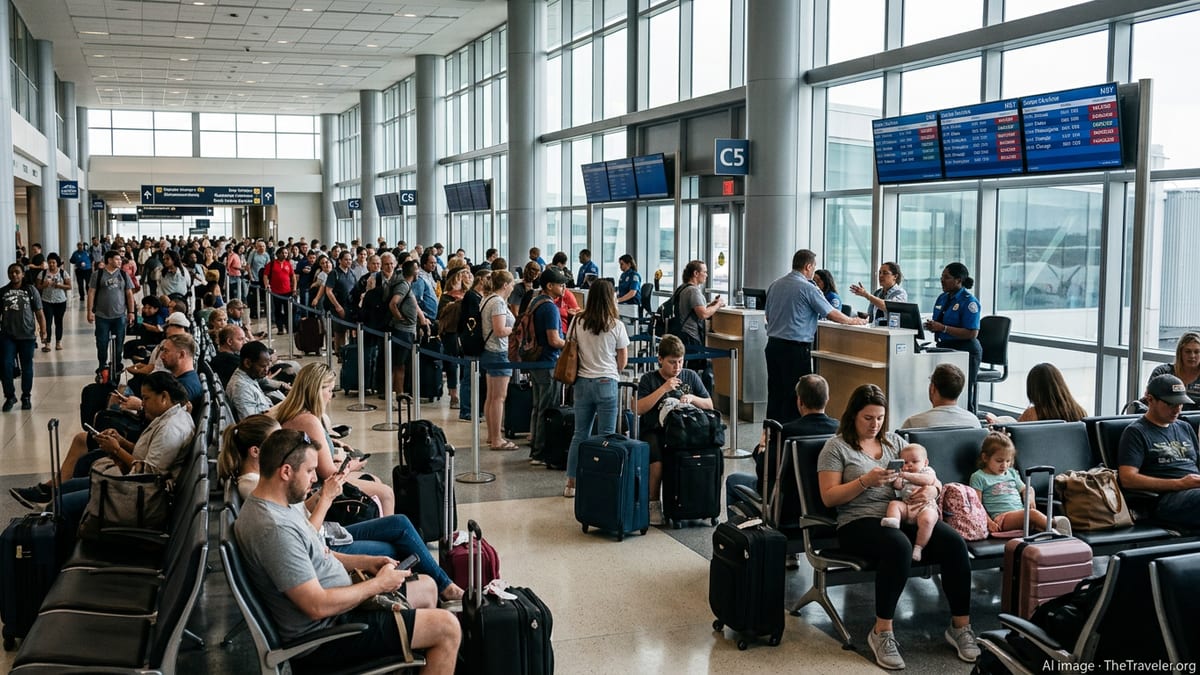
Knock-on Disruption From New Orleans to Major US Hubs
The latest tally of 28 delayed and 21 canceled flights at Louis Armstrong New Orleans International Airport on Sunday quickly rippled across the national network, affecting travelers heading to and from Atlanta, Dallas, Philadelphia, Chicago and other key destinations. The disruption, concentrated in the midmorning and early afternoon departure banks, left many passengers stranded at both ends of their journeys as aircraft and crews fell out of position.
Flight-tracking data and airline schedules show that New Orleans is tightly linked to large hub operations in Atlanta, Dallas–Fort Worth, Chicago O Hare and Philadelphia, meaning each grounded departure translated into missed connections and rolling delays further up the line. That added strain to airports that were already managing elevated levels of disruption following a week of unsettled weather and operational challenges across the Midwest and Southeast.
At Hartsfield Jackson Atlanta International Airport, hundreds of flights were already delayed or canceled Sunday as airlines worked through earlier weather related backlogs and ground delay programs, magnifying the impact of any new disruption on feeder routes out of New Orleans. Similar pressure was reported at Dallas area airports and Chicago O Hare, where airlines were juggling aircraft utilization and crew duty time limits while trying to protect long haul connections.
Passengers booked on routes such as New Orleans to Atlanta and New Orleans to Chicago reported multiple schedule changes within hours, with some flights shifting from on time to delayed and then canceled as the situation evolved. For many, that meant scrambling to rebook on later services or reroute through alternative hubs, sometimes turning what should have been a short domestic trip into an all day odyssey.
Security Staffing Pressures and a Partial Government Shutdown
The disruption in New Orleans unfolded as Louis Armstrong International continued to warn of unusually long security lines and staffing challenges, conditions airport officials have linked to the ongoing partial federal government shutdown. On Sunday morning, passengers were urged to arrive at least three hours before departure to clear checkpoints as stretched Transportation Security Administration staffing created backups across multiple concourses.
Local broadcasters showed snaking queues at security early in the day, with some travelers saying they waited more than an hour to reach screening. Airport management said they were coordinating closely with federal partners, but acknowledged that reduced staffing and last minute shift gaps were contributing to uneven processing times and complicating airline departure planning.
As security lines lengthened, airlines were forced to juggle boarding times and gate holds, particularly for flights to congested hubs such as Atlanta and Dallas where missing a departure slot can mean a cascading series of delays. While carriers can sometimes hold flights for connecting passengers, that flexibility shrinks when crews are approaching legal duty limits or when weather and air traffic programs elsewhere limit departure windows.
Airport officials stressed that the airfield itself remained open and that operations were safe, but conceded that the combination of security bottlenecks, staffing issues and tight schedules had created a fragile operating environment. They urged passengers to check with their airlines before heading to the airport and to allow far more time than usual to move from curb to gate.
Travelers Describe Scramble to Rebook and Reroute
For passengers, the numbers translated into hours of uncertainty. In the domestic terminal at New Orleans, lines quickly formed at airline customer service desks, where stranded travelers tried to salvage trips for business meetings, family events and long planned vacations. Many reported that mobile apps initially showed flights as on time, only to shift to delayed and then canceled as crew and aircraft availability tightened.
One traveler bound for Dallas described leaving their hotel before dawn to build in extra time for security, only to find their midmorning departure first delayed and then removed from the boards entirely. Airline agents offered a later connection via Houston, but with limited seats remaining, several members of the group chose to split up onto different routings to improve their chances of arriving the same day.
Others missed onward international flights out of Atlanta and Chicago after New Orleans departures sat at the gate waiting for cleared security passengers or for arrival slots at congested hubs. Some travelers reported being automatically reprotected onto next day services, while others were given options to connect through alternative cities such as Charlotte or Miami, adding extra legs to already complex itineraries.
Social media posts showed crowded gate areas and weary passengers camped out near charging points as they refreshed airline apps for updates. While many praised frontline staff for their efforts, frustration grew over limited real time information and the difficulty of reaching call centers during peak disruption.
Airlines Adjust Schedules as Weather and Operational Strain Persist
The difficulties at New Orleans came against a wider backdrop of continued strain across the US airline system, with carriers still recovering from earlier severe weather that disrupted operations at major hubs from Chicago to Atlanta. Ground stops and slow moving thunderstorms in recent days led to thousands of delays and several hundred cancellations nationwide, leaving aircraft and crews scattered away from their planned positions.
Airlines responded by trimming some frequencies and consolidating lightly booked flights, particularly on shorter domestic sectors, in an effort to rebuild resilience into their schedules. In practice, that meant that when security or staffing problems emerged at a spoke airport such as New Orleans, the network had less spare capacity to absorb the shock without resorting to cancellations.
Industry analysts said the combination of weather aftershocks, tight labor markets and a partial government shutdown affecting aviation security and air traffic support functions has created a brittle operating environment just as spring break travel ramps up. With many flights already running near capacity, options for rebooking disrupted passengers have been limited, especially on peak weekend days.
Airlines have encouraged travelers with flexible plans to consider moving to off peak days or less congested times, and have waived some change fees in affected markets. However, with busy leisure demand into New Orleans and through its major hubs, many Sunday passengers had little choice but to wait out delays or accept complex re routings.
What Passengers Flying Through New Orleans Should Do Next
With security related disruption and the risk of further delays still present at Louis Armstrong International, airlines and airport officials are urging passengers with upcoming travel to build extra time into their plans and to stay closely connected to their carriers. Same day schedule changes remain a possibility on routes feeding into hubs such as Atlanta, Dallas, Philadelphia and Chicago, particularly during the morning and early afternoon peak periods.
Travel advisors recommend that passengers departing New Orleans aim to arrive at the terminal at least three hours before scheduled departure for domestic flights, and even earlier for international journeys or for those traveling with checked baggage or small children. They also stress the importance of checking in online as early as permitted and monitoring gate and time changes through airline apps and text alerts.
For those with critical same day connections in other cities, experts suggest considering earlier departures from New Orleans where possible, leaving wider buffers at intermediate hubs in case of rolling delays. Travelers whose flights are canceled are advised to work simultaneously with both digital tools and airport customer service agents to secure alternative routings before remaining seats disappear.
While Sunday’s 28 delays and 21 cancellations represent a modest portion of New Orleans daily schedule, the cascading impact across interconnected hubs shows how even localized disruption can resonate nationwide. With the busy spring travel season approaching, both airlines and passengers will be watching closely to see whether staffing and security pressures at the airport ease in the days ahead.