

More news on this day
Passengers traveling through Myrtle Beach International Airport on March 29 faced mounting frustration as 13 flights were delayed and 3 were canceled, disrupting operations for major carriers including American Airlines, Delta Air Lines, Spirit Airlines and United Airlines.
Get the latest news straight to your inbox!
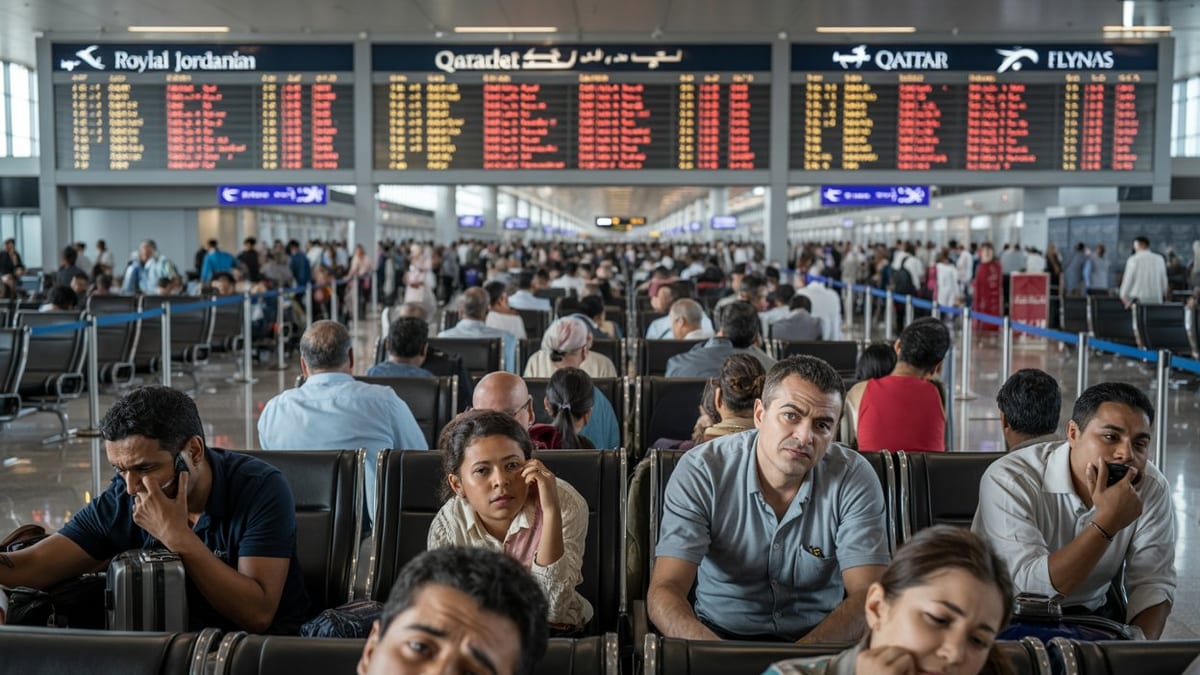
Cluster of Disruptions at a Busy Leisure Gateway
Publicly available flight information for March 29 shows an unusual concentration of schedule disruptions at Myrtle Beach International Airport, a key coastal gateway for domestic leisure travel. Across the day, a total of 16 affected departures and arrivals were recorded, with delays far outnumbering outright cancellations.
The delays involved a mix of inbound and outbound services, affecting travelers heading to and from larger hub airports as well as regional destinations. While Myrtle Beach typically sees more modest levels of congestion compared with major hubs, the volume of schedule changes on this date stood out against recent local norms.
The affected flights were spread across several time bands, meaning passengers encountered disruptions from morning through late afternoon. This pattern left many travelers facing missed connections, compressed vacation time or last-minute changes to ground transportation and accommodation plans.
Travel and aviation outlets describe the Myrtle Beach situation as part of a broader day of operational strain in the U.S. air network, with disruptions reported at larger airports around the country and knock-on effects reaching secondary markets such as coastal South Carolina.
American, Delta, Spirit and United Among Affected Carriers
According to published coverage focused on Myrtle Beach operations, the delays and cancellations touched multiple major U.S. carriers, including American Airlines, Delta Air Lines, Spirit Airlines and United Airlines. These four airlines collectively account for a significant share of Myrtle Beach’s scheduled traffic, connecting the destination with major hubs in the Northeast, Midwest and South.
American and Delta typically operate a combination of year-round and seasonal routes from Myrtle Beach, tying the coastal city to hubs such as Charlotte, Atlanta and other connecting points. Interruptions on these routes can quickly ripple across passenger itineraries, particularly for travelers with onward domestic or international connections.
Spirit Airlines, a major low-cost presence at Myrtle Beach, is often relied upon by price-sensitive leisure travelers and second-home owners commuting between the Grand Strand and larger metro areas. Cancellations or extended delays on its flights can have outsized impacts, as alternative same-day options may be limited in smaller markets.
United Airlines services, which link Myrtle Beach to key Midwestern and Northeastern hubs, were also among those affected. Disruptions on these routes can constrain access for travelers from cities where Myrtle Beach has only a handful of daily frequencies during the spring shoulder season.
Potential Weather and System Factors Behind the Delays
While detailed operational explanations for each affected flight were not immediately available, broader aviation reports from the same weekend point to a combination of weather and system-wide pressures affecting U.S. carriers. Coverage of national flight statistics highlights elevated numbers of delays and cancellations at several major hubs, conditions that often filter down to smaller airports like Myrtle Beach via aircraft and crew rotations.
Weather-related congestion at large connecting airports can cause rolling delays, as aircraft scheduled to operate onward legs to leisure destinations arrive late or are reassigned. When coupled with tight spring schedules and high demand for weekend travel, even minor disruptions early in the day can cascade into missed departure slots or aircraft repositioning challenges later on.
Industry analysis in recent days has also emphasized ongoing operational stress linked to staffing constraints and system recoveries from earlier winter weather events. Although Myrtle Beach itself did not experience headline-making storms on March 29, its flight program is closely tied to hub airports where such issues were more pronounced.
Aviation observers note that Myrtle Beach’s role as a primarily domestic, point-to-point leisure airport offers some insulation from international disruptions, but it remains vulnerable to broader network imbalances that can reduce schedule resilience during peak travel periods.
What the Disruptions Meant for Passengers on the Ground
For travelers at Myrtle Beach International, the cluster of delays and cancellations translated into longer-than-expected waits at gates, rebookings at ticket counters and last-minute changes to vacation and return-home plans. With many passengers traveling on weekend leisure itineraries, schedule changes can have immediate consequences for accommodation checkouts, rental car returns and work or school commitments at home.
Travel reports from around the U.S. this month describe a familiar pattern when disruptions spike: longer lines at customer service desks, heavier reliance on airline mobile apps and higher demand for same-day seats on remaining flights. At smaller airports, these pressures can feel more acute, as alternative carriers and routings are fewer than at large hubs.
Some travelers may also have faced additional costs, such as extra hotel nights, rearranged ground transportation or change fees where airline waivers did not apply. Consumer advocates regularly remind passengers to document expenses and to check carrier-specific policies, as compensation and assistance can vary depending on the cause of a delay or cancellation.
Families and groups traveling together are often particularly affected when flights are canceled from airports with limited frequency, as rebooking several seats on later departures can prove difficult during busy weekends. This can extend travel disruptions by a full day or more, especially when flights are already near capacity.
Guidance for Travelers Using Myrtle Beach in the Coming Days
In light of the recent disruptions, travel publications and aviation tracking services are emphasizing the importance of proactive planning for passengers using Myrtle Beach International in the days ahead. While there is no indication that the March 29 pattern will become a long-running issue, the episode illustrates how quickly conditions can change during a period of broad network strain.
Travel experts consistently recommend checking real-time flight status through airline apps or airport flight trackers before departing for the terminal. For Myrtle Beach, where security lines are typically manageable but can back up quickly when multiple flights are affected, arriving earlier than usual may provide extra margin if schedules shift.
Passengers with connections at major hubs are advised to build in additional layover time when possible, as tight connections are more vulnerable when upstream airports are experiencing weather or operational challenges. Flexible ticket options and travel insurance may also offer greater protection for those traveling on tight schedules or for important events.
For Myrtle Beach’s tourism sector, the smooth movement of air travelers is a critical component of the local economy as spring travel ramps up. The airport’s recent day of elevated delays and cancellations serves as a reminder that even smaller coastal gateways are closely linked to the wider national aviation picture, and that travelers benefit from staying informed as conditions evolve.