

More news on this day
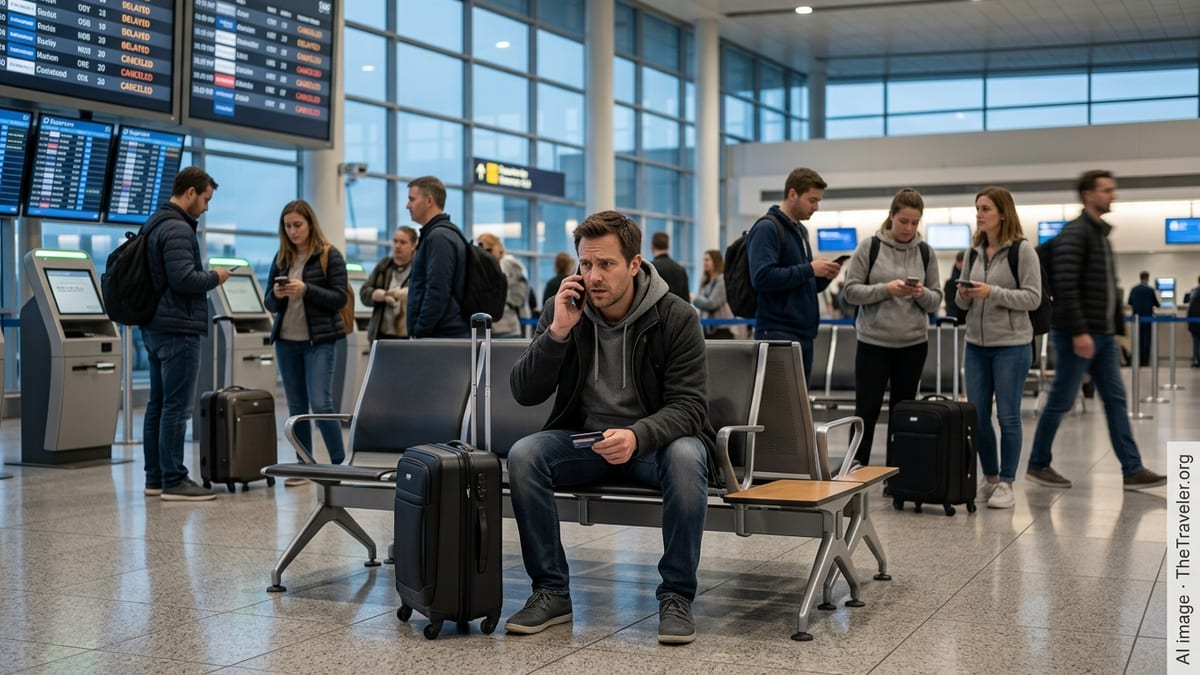
Flights at John Glenn Columbus International Airport faced another difficult morning on Tuesday, with delays and cancellations mounting as broader turbulence across the U.S. air network spilled into central Ohio.
Get the latest news straight to your inbox!
Local Disruptions Tied to National Turmoil
Publicly available data from flight tracking services on Tuesday indicate that operations at John Glenn Columbus International Airport were affected by the same wave of nationwide disruptions that has followed the Easter travel period. While the most acute problems have been concentrated at larger hubs, irregular operations at those airports have translated into late arrivals, missed connections and scattered cancellations in Columbus.
Recent coverage of U.S. air travel shows more than 1,000 flights canceled and over 12,000 delayed nationwide on April 7, as airlines continue to work through aircraft and crew imbalances left over from severe spring weather and heavy holiday traffic. When planes and pilots are out of position at major hubs in cities such as Chicago and New York, the knock-on effects often appear hours later at secondary airports on their route maps, including Columbus.
Reports on current schedules show that several flights into and out of Columbus on Tuesday morning were operating behind schedule, with some departures pushed back as aircraft arrived late from storm-affected regions. A small number of cancellations on routes linking Columbus to major hubs added to the disruption, forcing some travelers to rebook onto later services or different connecting cities.
Although the scale of the disruption at Columbus has been more limited than at the largest national gateways, the timing on a busy post-holiday weekday amplified the impact. Early-morning delays can cascade through the day as aircraft try to catch up, leaving even on-time departures more vulnerable to new slowdowns if weather or air traffic control restrictions re-emerge.
Weather, Airspace Constraints and System Strain
Travel industry reporting over the past week points to volatile spring weather as a key trigger for the current spell of delays and cancellations. Thunderstorms, low clouds and lingering winter conditions in parts of the Midwest and along key East Coast corridors have repeatedly forced airlines and the Federal Aviation Administration to reduce airport capacity, impose ground delay programs or briefly halt arrivals at affected airports.
Columbus has not been at the center of these systems, but its role as a spoke in national networks leaves it exposed whenever aircraft bound for Ohio are held or diverted elsewhere. A storm pattern that slows arrivals into a hub such as Chicago or New York can delay the same aircraft scheduled to continue on to Columbus later in the day, leaving passengers in central Ohio waiting for a plane that is still on the ground hundreds of miles away.
Analyses of recent disruption patterns highlight that weather is often only the first link in a longer chain of vulnerabilities. Airlines operating tightly scheduled fleets have limited spare capacity to swap in backup aircraft or crews when storms or airspace constraints intervene. Once delays reach a certain threshold, it can be more efficient for a carrier to cancel a flight altogether, which helps reset the schedule but creates sudden gaps for travelers at both origin and destination airports.
Industry data and government statistics published in recent months also point to the broader sensitivity of U.S. aviation to even modest capacity reductions. When several control centers or large hubs are affected at the same time, as occurred over the Easter period, delays can build quickly and take days to unwind, even after skies clear. Columbus is now experiencing the tail end of that recovery period, with some services still absorbing the residual effects.
Passengers Face Long Lines and Changing Guidance
The operational stress has been compounded by pressure on security screening and airport staffing. In late March, national coverage of a partial federal government shutdown highlighted staffing shortfalls at security checkpoints, with some airports warning of longer lines and recommending that travelers arrive early. John Glenn Columbus International was among the airports referenced as adjusting its guidance, at one point advising passengers to arrive several hours ahead of departure before later refining that advice.
Although reported wait times in Columbus have generally remained shorter than those at the busiest coastal hubs, the combination of security concerns and unpredictable flight schedules has encouraged many travelers to build in extra time. The result is crowded morning peaks at ticket counters and gates, even on days when flights ultimately depart close to schedule.
Local travelers sharing experiences online in recent days have described confusion around flight status updates as airlines adjust schedules in response to weather-driven restrictions elsewhere. Some passengers booked from Columbus to large hubs have reported day-of schedule changes or rebookings after inbound aircraft were delayed by congestion at their departure airports.
Airport and airline advisories reviewed on Tuesday continue to emphasize the importance of monitoring flight status closely and allowing additional time for check-in and security, particularly for early departures and connections through hubs that have faced repeated weather and air traffic control constraints.
Ripple Effects From Larger Hubs
Columbus sits downstream from some of the country’s most delay-prone airports, a reality that becomes especially apparent during busy travel periods and in unsettled weather. Recent storm systems have hit major connecting points such as Chicago, New York and Miami, where ground stops and capacity reductions have led to large numbers of delayed and canceled flights in a single day.
Travel industry analyses of the Easter period show that once those hubs experience widespread disruption, the impact radiates across their networks. Smaller and medium-sized cities connected by a limited number of daily flights often feel the effects most acutely. When an early-morning hub departure is canceled, the corresponding return flight to a city like Columbus never takes off, removing a critical option for local travelers and shrinking the pool of available seats later in the day.
Data compiled from flight tracking platforms suggest that Columbus has seen a pattern of scattered cancellations and clusters of delays on routes to and from the most heavily affected hubs rather than a uniform breakdown across all services. That patchwork pattern can make the situation feel unpredictable for passengers, with some flights operating on time while others face significant holdups or sudden schedule changes.
Travel coverage over the past several months also notes that chronic air traffic control staffing shortages and ongoing construction at various airports have left less margin for error when storms or surges in demand occur. As airlines concentrate more traffic through large hubs, secondary markets such as Columbus remain vulnerable whenever those chokepoints seize up.
What Travelers Can Expect in the Coming Days
Looking beyond Tuesday, industry commentary suggests that the national picture could gradually stabilize if weather patterns improve and no new large-scale disruptions emerge. However, the process of fully realigning aircraft, crews and schedules after a holiday period and multiple storm systems can take several days, meaning irregular operations may persist in pockets of the network.
For passengers using John Glenn Columbus International in the short term, publicly available guidance from airlines and travel advisers points to a few practical implications. Same-day and tight connections through the most congested hubs remain at higher risk of disruption, and flights later in the day may be more exposed to rolling delays as early-morning problems ripple through the system.
Travel experts quoted in recent coverage recommend strategies such as booking earlier departures where possible, allowing longer connection times and keeping essential items in carry-on bags in case checked luggage is delayed on a misaligned aircraft. While such steps cannot prevent cancellations or long waits, they can reduce the risk of being stranded without options when disruptions occur.
For now, Columbus travelers are likely to see a mixed picture of mostly routine operations punctuated by isolated cancellations and longer delays on certain routes. As the national aviation system works through the latest bout of weather and congestion, the experience in central Ohio offers a snapshot of how shocks at major hubs can quickly ripple outward to airports and passengers far from the eye of the storm.