

More news on this day
Travelers moving through Palm Beach International Airport on March 26 faced a patchwork of delays and cancellations as major U.S. carriers reported 41 delayed flights and 8 cancellations, creating knock-on disruption across New York, Miami, Boston and other domestic hubs.
Get the latest news straight to your inbox!
Ripple Effects Across Major U.S. Hubs
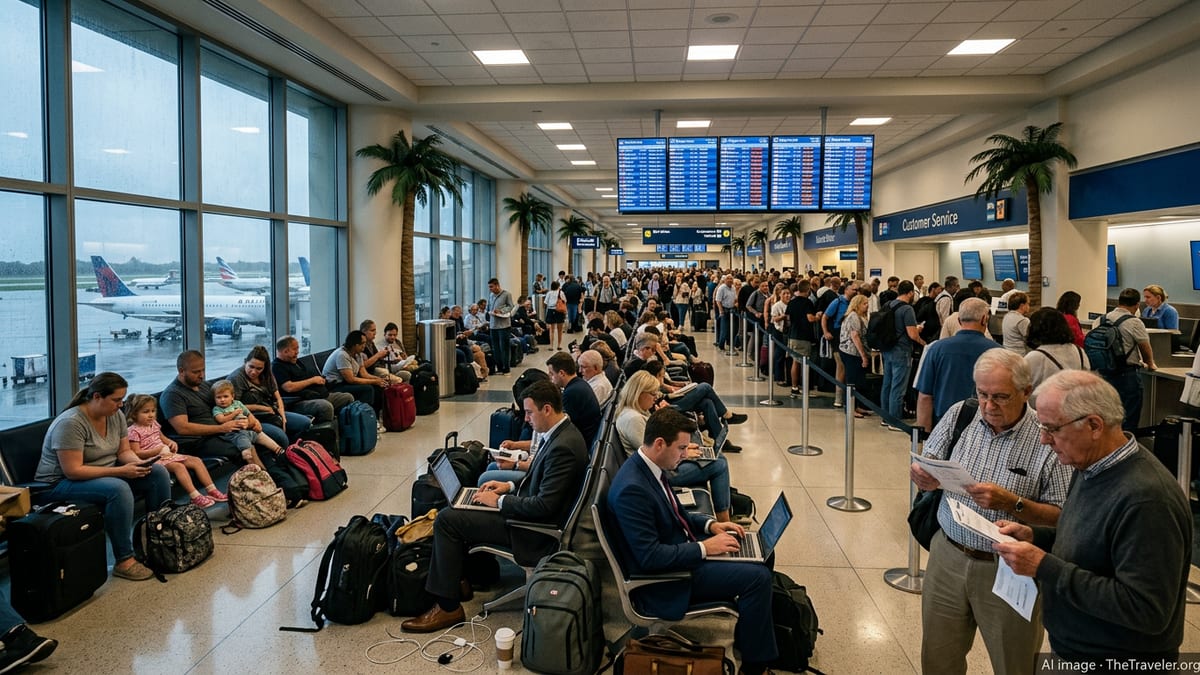
Publicly available flight-tracking data for Thursday shows Palm Beach International Airport contending with a concentrated wave of schedule disruptions on Delta Air Lines, JetBlue, Spirit Airlines and American Airlines, affecting both departures and arrivals. While many flights remained on time, the cumulative total of 41 delays and 8 outright cancellations translated into missed connections, extended layovers and packed gate areas throughout the day.
The impact was not confined to South Florida. Flights linking Palm Beach with New York area airports, Boston Logan International Airport and Miami International Airport were among those most affected, reflecting the heavy concentration of traffic along the busy U.S. East Coast corridor. As delayed aircraft rotated through the network, late departures from Palm Beach contributed to rolling schedule pressures at major hubs already dealing with tight turnaround times.
Travel platforms tracking same-day performance showed that the bulk of affected flights were operating within a window of delays ranging from 45 minutes to more than two hours. In several cases, aircraft that departed late from Palm Beach arrived into New York and Boston with additional ground holds, further compressing already congested evening departure banks.
Operational data indicates that cancellations were more targeted, often involving individual roundtrips where airlines opted to consolidate passengers onto later services. However, those selective suspensions still left travelers attempting to rebook into already full flights at peak times, particularly on routes to New York and Boston where spring travel demand is strong.
Multiple Airlines, Shared Operational Strain
The disruption at Palm Beach International on March 26 did not stem from a single carrier or isolated incident. Delta, JetBlue, Spirit and American all showed elevated numbers of delayed departures or arrivals through the afternoon and evening, reflecting a mix of crew, aircraft positioning and congestion issues in the broader system.
In recent weeks, these airlines have each navigated separate operational flashpoints, from weather-related disruptions in the Northeast to systems issues and chronic staffing pressures. Industry reporting on recent events, including a nationwide systems outage that temporarily halted JetBlue flights and repeated weather-related strain on Delta and American at Northeast hubs, highlights how quickly localized problems can cascade through connecting routes that serve Florida.
For ultra-low-cost operators such as Spirit, a limited buffer of spare aircraft and tight schedules can magnify even minor disruptions. Recent traveler accounts from Florida airports describe extended delays and same-day cancellations on Spirit services, with some passengers forced into costly last-minute rebookings on other carriers when original flights were withdrawn close to departure.
Legacy airlines such as Delta and American generally maintain more extensive fleets and additional frequencies, which can provide more options for reaccommodation. However, the same accounts from flyers in the region indicate that even larger carriers have struggled at times to absorb passengers from canceled services, particularly on heavily booked routes into Boston, New York and South Florida during peak travel weeks.
Weather, Congestion and Infrastructure Pressures
While no single nationwide weather event defined conditions on March 26, the disruptions at Palm Beach International come against a backdrop of a volatile winter season. A series of strong systems earlier in 2026, including major January and February storms that led to tens of thousands of cancellations across the United States, underscored the vulnerability of airline networks to weather shocks concentrated around a few large hubs.
New York and Boston, two of the main destinations linked to delayed and canceled flights from Palm Beach, are particularly sensitive to even modest deteriorations in weather, with arrivals often subject to air traffic control spacing programs that quickly slow down the flow of aircraft. When those measures are in place, congestion at the airspace and runway level can extend minor delays into more substantial schedule disruptions.
At the same time, Palm Beach International itself is navigating a period of change and added complexity. Construction and infrastructure planning documents for 2026 outline ongoing capacity and airfield improvements, while separate legislative developments in Florida, including a pending renaming of the airport, keep the facility in the national spotlight. For travelers, the combination of local projects and national network pressures can translate into longer taxi times, tighter gate availability and more fragile schedules during peak hours.
Regional ground transportation patterns also play a role. As West Palm Beach and the broader Palm Beach County area continue to grow, alternative options such as regional rail and expanded roadway networks are seeing increased usage, but they do not eliminate the concentration of demand flowing through the airport during morning and late-afternoon departure banks when most delays tend to cluster.
Knock-On Disruption for Leisure and Business Travelers
The timing of Thursday’s disruptions at Palm Beach International is particularly sensitive for both leisure and business travelers. Late March marks the height of the spring travel season for South Florida, with visitors heading to and from Palm Beach County’s beaches, golf resorts and seasonal events, while residents travel north for work and school commitments.
Travelers connecting through New York, Boston and Miami reported on social platforms that they encountered longer-than-expected security lines, crowded gate areas and narrowed rebooking options as the day progressed. Some posts described situations in which travelers missed onward connections in the Northeast after departing Palm Beach late, while others detailed overnight stays after evening flights were canceled with limited same-day alternatives available.
Business travelers relying on tight same-day turnarounds or early-morning arrivals into financial and corporate centers in New York and Boston were also affected, with schedule changes compressing meeting windows or requiring remote participation instead of in-person appearances. For many, the disruptions served as a reminder of the continued fragility of airline operations even as overall U.S. passenger volumes remain near record highs.
Local hospitality businesses in Palm Beach County can also feel the effects of travel turmoil. Last-minute cancellations and extended delays may lead to unsold rooms when guests fail to arrive, while other properties see unexpected demand from stranded travelers needing a place to stay. Such variability complicates staffing and inventory planning during what is typically one of the busiest periods of the year.
What Travelers Can Expect in the Coming Days
Industry analysts note that a day featuring several dozen delays and a handful of cancellations at a mid-sized airport like Palm Beach International can echo through the network for 24 to 48 hours, especially if disruptions intersect with high-demand periods at major hubs. As airlines reposition aircraft and crews, schedules often stabilize but can remain vulnerable to additional weather or systems issues.
Publicly available guidance from airlines and aviation agencies suggests that travelers heading through Palm Beach, New York, Miami or Boston in the coming days should build in extra time at the airport, monitor flight status frequently and be prepared for gate or schedule changes. Same-day rebooking options may be more limited on heavily traveled routes, particularly during morning and evening peaks when many flights now operate close to full.
Travel experts also emphasize the value of flexible itineraries. Tickets with more permissive change policies, earlier departures that provide a buffer for missed connections and nonstop flights where possible can help reduce exposure to cascading delays. For those connecting through weather-sensitive hubs in the Northeast, alternate routings through less congested airports may offer added resilience when conditions tighten.
As Palm Beach International moves through a pivotal year marked by infrastructure projects, legislative attention and robust passenger demand, Thursday’s disruptions illustrate how closely the airport’s performance is tied to the broader U.S. airline system. For travelers, the events of March 26 serve as a timely prompt to plan ahead, stay informed and expect that even routine itineraries can be affected when multiple carriers face simultaneous strain.