

More news on this day
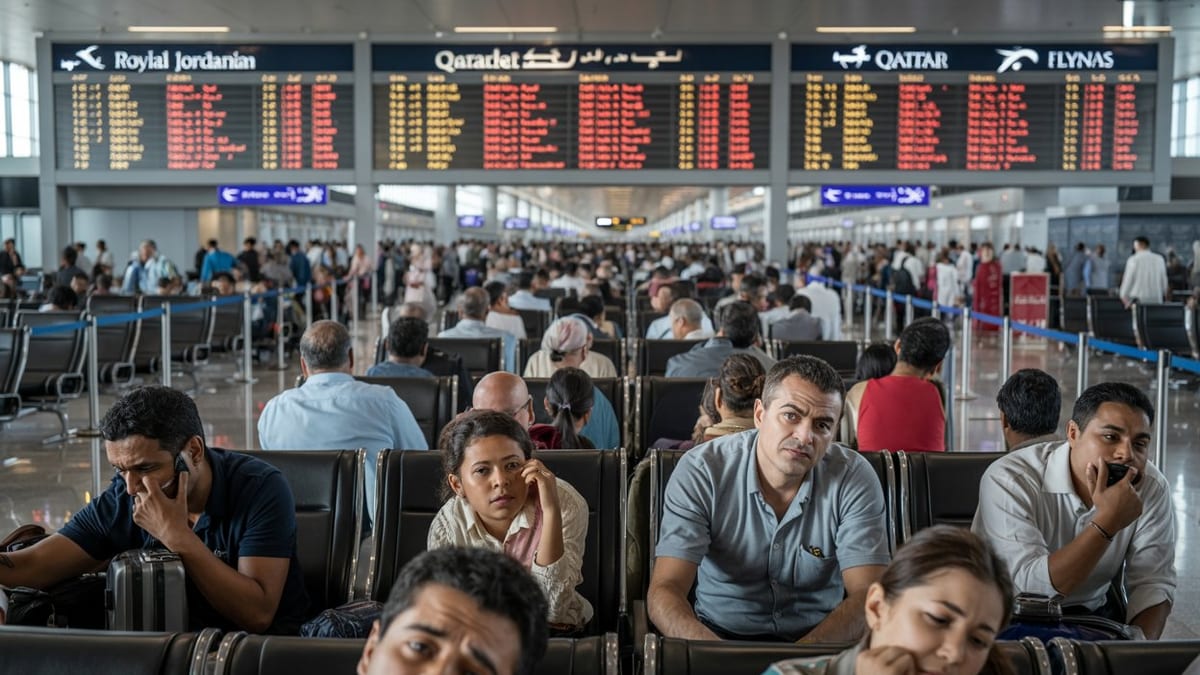
Travelers at Philadelphia International Airport faced a fresh wave of disruption on April 9, as about 10 flights operated by Frontier Airlines, American Airlines and Spirit Airlines were cancelled and many more delayed, affecting journeys to Chicago, London, Orlando, Nashville, San Juan and several other destinations.
Get the latest news straight to your inbox!
Targeted Cancellations Hit Key Domestic and International Routes
Publicly available flight tracking data for Thursday shows that a focused group of cancellations at Philadelphia International Airport is concentrated among services operated by Frontier, American and Spirit. While the total number of flights involved is relatively modest compared with national figures, the impact has been amplified because several affected departures were heading to major hubs and leisure destinations that already see heavy spring travel demand.
Among the most affected routes are services to Chicago, London, Orlando, Nashville and San Juan, which connect Philadelphia passengers to both domestic networks and transatlantic links. Disruptions on these corridors can complicate onward connections, leaving travelers with missed flights and difficult rebooking options as aircraft and crews fall out of their usual rotations.
Available schedules indicate that American continues to operate the bulk of traffic at Philadelphia, including long haul services to London Heathrow and other European cities, while Frontier and Spirit focus on high demand leisure routes such as Orlando and San Juan. When even a handful of those flights are cancelled or sharply delayed on a busy travel day, it can strand hundreds of passengers and quickly crowd customer service desks and gate areas.
The latest disruptions at Philadelphia come as wider U.S. aviation data for April shows a pattern of scattered cancellations and elevated delay levels across multiple hubs, including Chicago and Orlando. Travel industry reports describe a system that remains highly sensitive to weather, staffing pinch points and aircraft availability, with local issues at one airport often rippling across several cities by the end of the day.
Heavy Delays Across Carriers Compound the Impact
In addition to the cancellations, delay statistics for April 9 point to a larger pool of affected flights at Philadelphia involving Frontier, American and Spirit. While most services are still departing, many are doing so behind schedule, in some cases by more than an hour. For passengers connecting through Chicago or heading to London on evening departures, even moderate delays departing Philadelphia can mean tight or missed connections later in their journey.
Travel monitoring dashboards show that the current situation in Philadelphia reflects broader national patterns. Industry coverage on Thursday highlights thousands of delays and dozens of cancellations across U.S. airports, with Chicago, New York, Orlando and Philadelphia among the facilities reporting elevated disruption. The picture in Philadelphia fits into this wider context, where operational strains are accumulating across multiple hubs rather than being confined to a single weather event or technical issue.
For travelers on low cost carriers such as Frontier and Spirit, delays can be particularly challenging because of the limited frequency on some routes. A cancelled or significantly late departure to San Juan or Orlando may not have a same day alternative on the same carrier, increasing pressure on rebooking options and forcing some customers to seek seats on other airlines at higher last minute fares.
American Airlines customers, meanwhile, may find a broader range of options to rebook within the carrier’s network out of Philadelphia, which functions as a major connecting hub. However, when evening transatlantic services to cities like London are delayed, missed connections on the European side can still lead to overnight stays and extended travel times.
Operational Pressures at a Busy Philadelphia Hub
The latest round of disruption comes as Philadelphia International navigates a complex operational environment in early April. Recent local and national coverage has highlighted security staffing challenges, temporary changes to Transportation Security Administration checkpoint operations and broader policy debates involving federal agencies at the airport. While security lines have largely stabilized in recent days, the facility remains under close scrutiny from travelers and local media.
Philadelphia also occupies a strategic position within American’s network and is a growing base for low fare carriers, according to publicly available route data. The airport offers extensive domestic connectivity and a slate of transatlantic services, along with seasonal and year round flights to Caribbean destinations such as San Juan served by carriers including Frontier. This mix of hub operations, leisure demand and international traffic increases the stakes when even a limited number of flights are disrupted.
Industry analysts note that U.S. airlines are still working to rebuild resilience after several difficult years marked by staff shortages, shifting demand patterns and volatile fuel prices. Recent business reporting points to higher operating costs and tighter margins, which can make it harder for carriers to maintain spare capacity in aircraft and crews. When irregular operations arise at airports such as Philadelphia, that reduced buffer can translate into longer recovery times.
Advocacy groups that track air travel performance have reported that even on days without headline grabbing storms, a combination of local weather, air traffic control restrictions and tight scheduling can send delay numbers higher. The current situation at Philadelphia, while not representing a full scale meltdown, illustrates how quickly strain can appear on routes that are vital to both business and leisure travelers.
What Passengers Can Expect for Chicago, London, Orlando and Beyond
For passengers booked on Frontier, American or Spirit flights between Philadelphia and cities such as Chicago, London, Orlando, Nashville and San Juan, the immediate concern on April 9 is whether current delays and cancellations will cascade into additional schedule changes later in the day and into Friday. Previous episodes of disruption this spring have shown that aircraft and crews displaced by early cancellations can continue to affect routes for several rotations.
Travel industry guidance generally recommends that passengers monitor their flight status frequently on days when disruptions are building, arrive at the airport earlier than usual, and be prepared for gate or schedule changes. With Philadelphia serving as both an origin and connecting point for many itineraries, those heading to onward destinations may also need to review minimum connection times and consider options if their initial departure is delayed.
For travelers headed to Chicago and other Midwest hubs, publicly available national delay maps suggest that conditions there also remain fluid, with some flights arriving late and putting further pressure on connection windows. On transatlantic services such as Philadelphia to London, even a modest delay at departure can lead to missed rail or short haul connections upon arrival, especially for travelers with tightly planned itineraries.
Tourism and airline industry observers expect that the combination of spring holidays, weekend getaway traffic and a busy conference calendar will keep pressure on routes to Orlando, Nashville and other leisure destinations through the coming days. If operational challenges at Philadelphia or at downline airports continue, travelers could see rolling pockets of disruption even after Thursday’s initial wave of cancellations and delays has passed.
Broader Signs of a Fragile Spring Travel Season
The problems at Philadelphia International on April 9 are emerging against a backdrop of what several aviation and business outlets describe as a fragile spring travel season in the United States. Recent analyses point to a system in which high passenger volumes, constrained staffing and ongoing infrastructure work leave little margin for error when severe weather or airspace restrictions arise.
Reports this week highlight how storms and air traffic control measures across the country have already disrupted thousands of flights, from Miami and Atlanta to New York and Seattle. Philadelphia’s latest delay and cancellation figures form part of that national pattern, underlining how interconnected the network has become as aircraft cycle between multiple hubs in a single day.
At the same time, economic coverage notes that airlines are coping with swings in jet fuel prices and evolving demand between business and leisure travel. In this environment, carriers have been cautious about adding too much spare capacity, which can help keep costs in check but also means that passengers may have fewer options when something goes wrong. That trade off is felt acutely on days like Thursday, when a relatively small number of cancelled flights at one airport can have an outsized impact on individual trips.
For now, the situation at Philadelphia International appears to be characterized by scattered cancellations and a heavier than usual volume of delays, rather than a complete breakdown of operations. Even so, the experience of travelers headed to and from Chicago, London, Orlando, Nashville, San Juan and other destinations on Frontier, American and Spirit shows how quickly a routine travel day can be disrupted during a tightly balanced spring schedule.