

More news on this day
Passengers at Myrtle Beach International Airport in South Carolina faced a disrupted travel day on Sunday as a cluster of delays and cancellations affected departures and arrivals on several major U.S. carriers, straining schedules at the busy coastal gateway.
Get the latest news straight to your inbox!
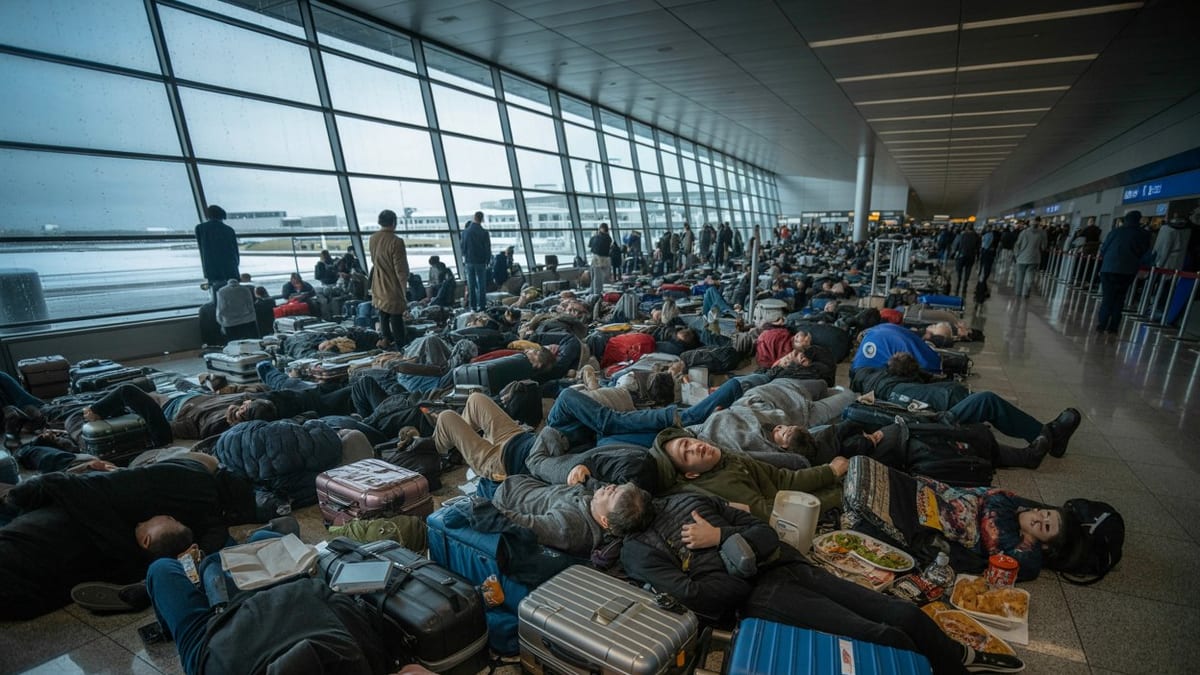
Image by Travel And Tour World
Operational Snags Lead to 13 Delays and 3 Cancellations
Publicly available flight tracking data for Sunday indicates that Myrtle Beach International Airport recorded 13 delayed flights and 3 cancellations affecting a mix of inbound and outbound services. The disruptions were spread throughout the day, creating knock-on schedule issues for aircraft and crews cycling through the airport.
The affected operations included flights marketed by American Airlines, Delta Air Lines, Spirit Airlines and United Airlines, all of which maintain seasonal or year-round connections between Myrtle Beach and major hubs along the East Coast and beyond. The pattern of delays suggests a combination of local congestion and wider network issues, with late inbound aircraft often triggering subsequent late departures.
Although Myrtle Beach International is smaller than many coastal hubs, the airport serves as a critical leisure gateway for the Grand Strand region. Even a modest number of irregular operations can translate into significant disruption during busy travel periods, particularly when passengers are relying on tight same-day connections at larger hub airports.
Travel data for the day shows that some flights experienced relatively short holds, while others encountered multi-hour delays that forced passengers to adjust ground transportation, hotel stays and onward flight plans. The three cancellations reported at Myrtle Beach triggered rebooking efforts as airlines attempted to redistribute passengers onto later services or alternative routings.
Major Carriers Grapple With Knock-on Effects
American Airlines, Delta Air Lines, Spirit Airlines and United Airlines each saw at least one service connected with Myrtle Beach affected by delay or cancellation. According to published coverage and flight-status boards, some of these interruptions were tied to late-arriving aircraft from weather-impacted or congested airports elsewhere on the East Coast.
For hub-and-spoke carriers such as American, Delta and United, a single delayed inbound flight can cascade through the schedule, especially when aircraft are scheduled on multiple short-haul rotations in a single day. A late arrival into Myrtle Beach can push back the departure window, and in turn reduce the margin for subsequent operations into larger hubs such as Charlotte, Atlanta or Newark.
For Spirit Airlines, which operates on a tight utilization model with relatively little slack in its fleet, disruptions can sometimes be magnified when crews or aircraft reach duty-time limits or require repositioning. Recent online discussions by travelers have highlighted recurring delays on certain Myrtle Beach routes, reflecting the sensitivity of ultra-low-cost carrier schedules to even minor operational snags.
United Airlines flights routing through weather-prone Northeast hubs have also been vulnerable to air traffic flow programs in recent weeks. When traffic-management initiatives lengthen ground or airborne holds at large airports, regional spokes like Myrtle Beach may see downstream delays as carriers attempt to maintain safety margins and regulatory compliance while still moving as many passengers as possible.
Weather, Congestion and Crew Positioning Among Likely Drivers
Reports from aviation and weather outlets in recent weeks show that the broader U.S. network has been contending with periods of challenging conditions, including thunderstorms and residual effects from a major March storm system. While Myrtle Beach did not experience the most severe impacts, constraints at key connecting hubs can ripple outward to coastal airports with high leisure demand.
Air traffic management programs in busy Northeast corridors are a recurring factor in delays on routes linking Myrtle Beach with New York and other metropolitan areas. When flow restrictions are in place, flights may be pushed into longer departure queues or rerouted, extending block times and reducing the ability of airlines to recover punctuality later in the day.
Crew positioning and duty-time rules may also contribute. If pilots or flight attendants reach their regulated duty limits because of earlier delays, airlines must find reserve crews or adjust schedules, occasionally resulting in cancellations when replacements are not immediately available. This dynamic can be particularly acute at airports with smaller crew bases or limited overnighting aircraft.
Operational bulletins from regulators and industry groups in March have urged travelers across multiple regions to monitor their flight status closely as the system works through capacity constraints and airspace restrictions in various parts of the world. While those advisories are not specific to Myrtle Beach, they underscore the broader fragility of airline networks when several stressors coincide.
Impact on Travelers and Guidance for Upcoming Flights
The day’s disruptions at Myrtle Beach International translated into missed connections, extended waits at gates and customer-service counters, and reshuffled vacation plans for some travelers. Passengers on canceled flights faced decisions between accepting same-day reroutes, overnight stays, or travel on later dates, depending on available capacity and their flexibility.
Consumer advocates note that passengers experiencing significant delays or cancellations should review each airline’s published policies on rebooking, meal vouchers and accommodation support, which vary by carrier and by cause of disruption. In the United States, regulatory protections differ from those in some other jurisdictions, so travelers are often reliant on the individual service commitments of airlines.
For travelers with upcoming flights into or out of Myrtle Beach, publicly available guidance from aviation agencies and airline advisories suggests a few consistent steps. Checking flight status frequently on the day of travel, enabling notifications within airline apps, and arriving at the airport with additional time can help reduce the risk of missing a departure if schedules shift.
Industry reports also recommend that passengers with critical connections, such as cruises, weddings or international long-haul flights, consider building in more buffer time or planning earlier arrivals in the region. As the spring and summer travel season ramps up along the South Carolina coast, even localized disruptions can have outsized effects on tightly timed itineraries.
Airport and Airlines Prepare for Spring Travel Demand
Myrtle Beach International typically sees passenger volumes rise as temperatures warm and seasonal services ramp up. Historical traffic patterns show that the airport transitions from quieter winter schedules to fuller spring and summer operations, with additional flights to major domestic hubs and secondary markets serving beachgoers and golfers.
Industry observers note that airports of Myrtle Beach’s size must balance limited gate space and ramp capacity with growing seasonal demand. When several flights on multiple carriers depart within narrow time windows, any delay can increase congestion at gates and security checkpoints, adding friction for passengers and ground handlers alike.
Airlines operating at Myrtle Beach have been adjusting schedules and aircraft deployment for the upcoming peak season, with changes to frequencies and destinations compared with previous years. As these timetables settle and operational teams fine-tune staffing, the hope within the travel industry is that day-to-day reliability will improve, even as demand continues to rise.
For now, Sunday’s combination of 13 delayed flights and three cancellations serves as a reminder that travelers through Myrtle Beach International should remain prepared for occasional schedule changes, particularly when flying on routes that depend heavily on busy East Coast hubs and tight aircraft rotations.