

More news on this day
Travelers at Frederick Douglass Greater Rochester International Airport faced a difficult start to April as dozens of delays and cancellations involving JetBlue, United, and regional carrier GoJet disrupted links between Rochester, New York City, and major hubs across the United States.
Get the latest news straight to your inbox!
Ripple Effects Across New York and Major US Hubs
Publicly available tracking data on April 2 indicated 22 delayed departures and arrivals and five outright cancellations tied to operations at Frederick Douglass Greater Rochester International Airport, affecting flights routed through New York City and other major domestic airports. The disruptions were concentrated among services operated by JetBlue, United Airlines, and GoJet, a regional carrier that flies under the United Express brand on several routes serving upstate New York.
The pattern of disruption suggested a mix of local congestion and wider network pressures, with Rochester services dependent on aircraft and crews arriving from busy Northeastern gateways. When inbound flights from New York City and other large hubs depart late or are canceled, the effect can cascade quickly at a mid-size airport such as Rochester, where backup aircraft and spare crews are more limited.
Flight-status platforms showed multiple Rochester flights posting rolling departure estimates, shifting from minor delays to longer waits as the day progressed. Some services were ultimately removed from the schedule, leaving passengers to seek rebooking options through other cities or on later departures the same day.
Published coverage of recent airline performance trends points to a broader environment in which carriers are operating tight schedules with limited slack. In such conditions, even relatively short disruptions at a major hub can lead to knock-on delays at smaller airports that depend on those connections to sustain their route networks.
JetBlue, United, and GoJet at the Center of the Disruptions
According to flight-tracking data, JetBlue accounted for a significant share of the delays linked to Rochester, reflecting the airline’s reliance on congested New York City airspace for many of its routes. With JetBlue’s network heavily oriented around John F. Kennedy International Airport and other New York area facilities, any operational strain there tends to reverberate quickly at outstations like Rochester.
United Airlines and GoJet flights operating under the United Express banner were also affected. Rochester’s role as a spoke city feeding into United hubs means that delays and cancellations on a single inbound aircraft can disrupt several scheduled departures, particularly on routes operated by smaller regional jets.
Recent national reporting on airline operations has highlighted ongoing challenges for carriers balancing strong travel demand with staffing, aircraft availability, and tight turn times at constrained airports. For travelers, this often translates into longer periods spent in terminal waiting areas as departure boards cycle through new estimated times and, in some cases, show flights removed altogether.
In Rochester, the concentration of delayed and canceled flights among a handful of carriers underscores how dependent regional markets are on a few key operators. When those airlines experience wider operational pressures, local passengers can see their options narrow quickly, especially for same-day alternatives.
Passengers Face Long Waits and Limited Alternatives
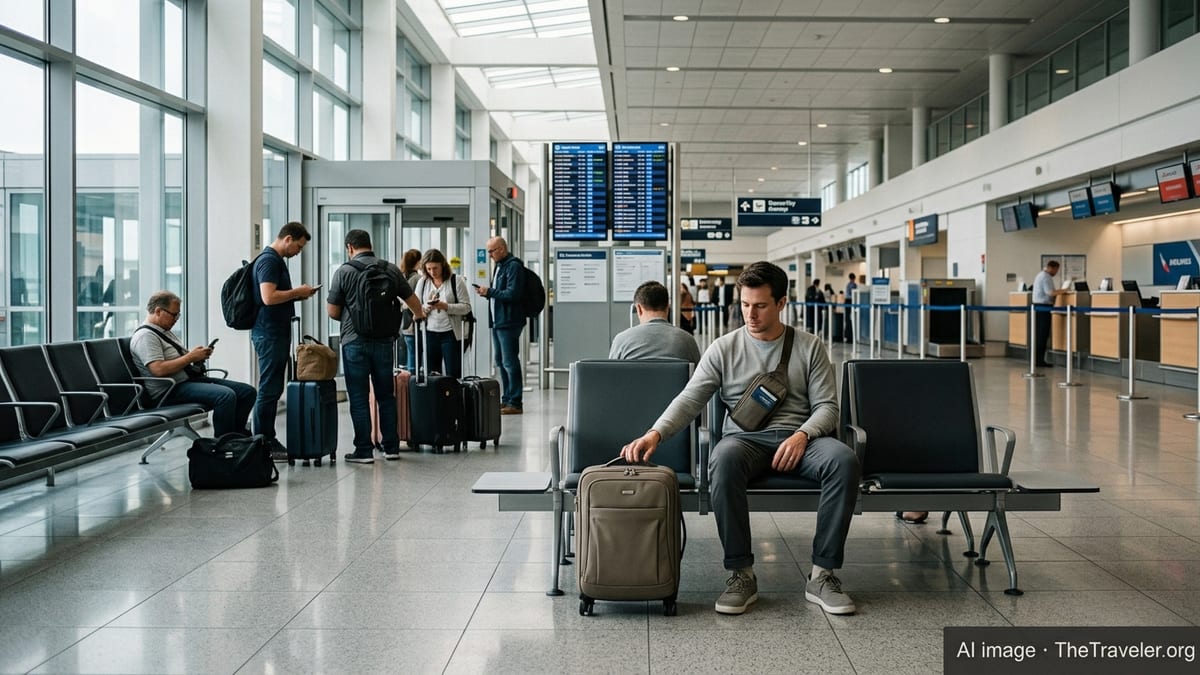
Reports from travel forums and social media on April 2 described scenes of crowded seating areas and long lines at customer service counters at Frederick Douglass Greater Rochester International Airport. With multiple departures to New York area airports and other hubs delayed or canceled, many passengers found themselves effectively isolated at the airport, waiting for updates as airlines adjusted their schedules.
Travelers booked on connecting itineraries faced particular difficulties. When a Rochester departure to a hub such as New York, Chicago, or another major city is significantly delayed, onward connections can quickly become unworkable. Publicly available advice from travel advocates suggests that affected passengers often need to be proactive in requesting rebooking on alternative routes or even on different carriers where interline arrangements permit.
As delays accumulated through the day, options grew more limited. Mid-size airports like Rochester typically have fewer late-evening departures, and once those flights fill up, many disrupted travelers may be left waiting until the following morning. This dynamic increases the likelihood of overnight stays at nearby hotels for some passengers, adding unplanned costs and logistical challenges to their journeys.
Consumer-facing guides note that domestic passengers experiencing significant schedule changes may be eligible for refunds or other forms of relief, depending on the nature of the disruption and the airline’s policies. However, navigating those options can be complicated in the middle of an active disruption, particularly when customer service channels are overwhelmed by volume.
Weather, Network Congestion, and Regulatory Backdrop
While specific causes varied by flight, operational experts often point to a combination of weather, airspace congestion, and tight scheduling as key drivers of days with elevated delays and cancellations. New York City’s busy airports, which anchor the route network for JetBlue and form critical hubs for United, are particularly sensitive to low ceilings, reduced visibility, and traffic-management programs that slow arrivals and departures.
Industry data show that once delays begin to mount at major hubs, regional spokes such as Rochester are frequently among the first to see ripple effects. Aircraft and crews arriving late into the region compress turnaround times and create a higher risk of missed departure slots, which can push flights further back or force airlines to prioritize certain routes over others.
Recent commentary on evolving U.S. Department of Transportation rules notes a shifting regulatory landscape around compensation and passenger rights during significant delays and cancellations. Guidance documents emphasize clearer disclosures of passenger options when schedule disruptions are substantial, as well as increased transparency about whether disruptions are within an airline’s control.
For travelers at Rochester and other mid-size airports, these regulatory developments may gradually shape how airlines respond to disruption days, including the availability of refunds, meal vouchers, and rebooking flexibility. In the short term, however, the experience on April 2 highlighted the continuing vulnerability of regional markets to broader operational strains across the national air travel system.
Planning Ahead for Future Trips Through Rochester
The latest round of disruptions at Frederick Douglass Greater Rochester International Airport serves as a reminder for travelers connecting through New York and other major hubs to build extra time into their itineraries. Travel experts commonly recommend avoiding the tightest possible connections, particularly during seasons prone to weather-related slowdowns, and suggest monitoring flight status closely in the 24 hours before departure.
Some passenger advocacy resources advise scheduling earlier departures when feasible, noting that morning flights are statistically less prone to compounding delays than late-day services. For Rochester-based travelers who rely heavily on JetBlue, United, and GoJet for access to larger hubs, earlier departures may offer a better chance of preserving onward connections during periods of operational stress.
Travel guides also highlight the value of having contingency plans, such as identifying alternate routes or nearby airports that might offer additional options in the event of severe disruption. For those who must travel on fixed schedules, the experiences reported on April 2 underscore the importance of understanding airline policies on rebooking and refunds before arriving at the airport.
As national air travel demand remains strong and carriers continue to fine-tune their schedules, mid-size airports like Rochester are likely to see further days marked by heavy delays and pockets of cancellations. For passengers, informed preparation and close monitoring of conditions in New York and other major connecting hubs can be key to navigating an increasingly complex travel environment.