

More news on this day
London Gatwick Airport is reporting a patchy but noticeable level of disruption today, Monday 6 April, with scores of delayed flights and a smaller number of cancellations affecting passengers at the start of the working week.
Get the latest news straight to your inbox!
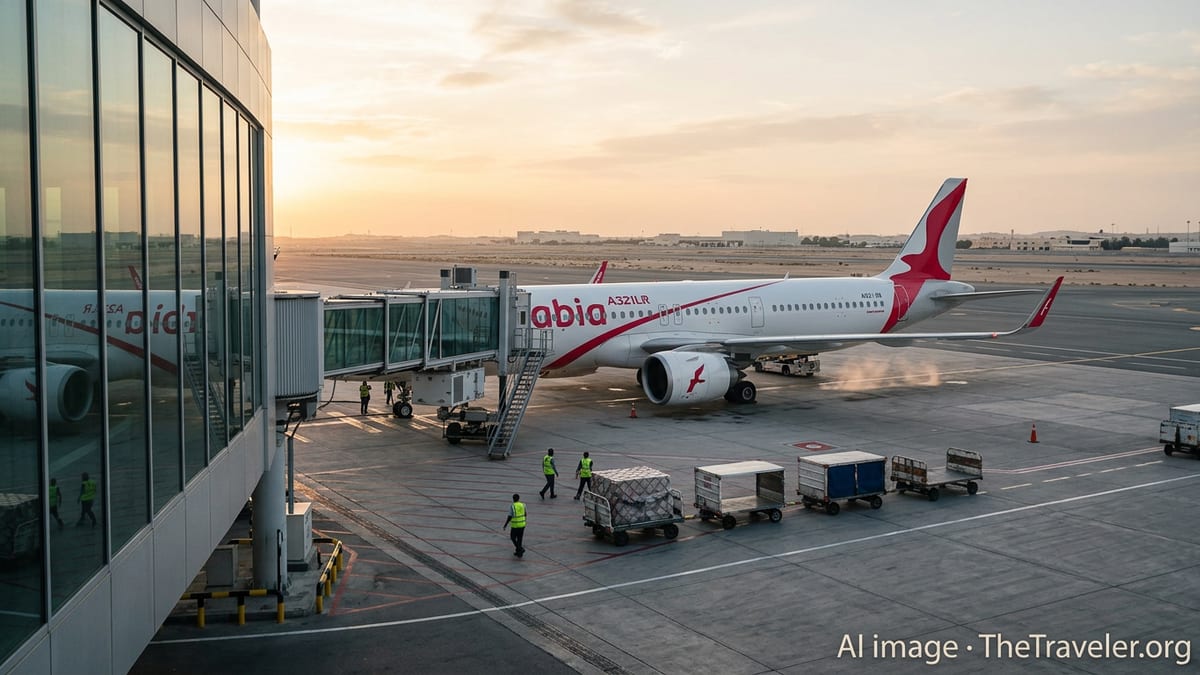
Flight Status Snapshot for Monday Morning
Operational feeds and live flight trackers for London Gatwick on 6 April indicate a mixed picture, with a steady flow of on-time departures and arrivals punctuated by clusters of late-running services and isolated cancellations. Early-morning schedules have largely held, but mid-morning and early afternoon waves are showing increased congestion as the day progresses.
Patterns seen at other major European hubs over the weekend, including reports of heavy disruption at Amsterdam Schiphol and Vienna, suggest a broader strain across airline and air traffic control networks. That broader backdrop appears to be filtering into Gatwick’s operation, particularly on short-haul European routes where aircraft and crew rotate through multiple airports in a single day.
Publicly available airport data for recent days shows that Gatwick has already been operating under pressure, with earlier reports highlighting around one hundred delays and a small number of cancellations on 4 April. Today’s performance is currently tracking below those peaks but still above what many passengers would regard as a smooth travel day.
The disruption remains dynamic, with rolling adjustments to departure times as airlines seek to absorb delays picked up elsewhere in their networks. Passengers are being advised by consumer travel guidance and airline updates to treat all timings as subject to change and to use mobile apps and airport screens for the most current information.
Airlines and Routes Under the Most Pressure
Gatwick’s status as a major base for easyJet and a growing hub for other European and long-haul carriers shapes how disruption unfolds on days like today. Route maps published for the current season show easyJet operating well over one hundred routes to and from the airport, with British Airways, Jet2, Wizz Air, TUI Airways, Vueling, Norwegian and others adding to a dense schedule of departures across Europe, North Africa and beyond.
In the short-haul market, flights linking Gatwick with French, Spanish, Italian and Greek destinations are particularly exposed to knock-on effects from issues elsewhere. A planned cabin crew strike in France affecting easyJet services on Monday 6 April has raised the risk of last-minute changes on some routes, and that in turn can reverberate through Gatwick rotations if aircraft or crews are displaced or delayed.
On longer sectors, Gatwick’s growing portfolio of intercontinental routes, including services to North America, the Middle East and Asia, adds another layer of complexity. When aircraft arrive late from these long-haul legs, morning or early afternoon departures from Gatwick can be pushed back, sometimes by an hour or more, as ground teams turn aircraft around and re-sequence departures within air traffic control limits.
Published analysis of UK performance over the last year has repeatedly placed Gatwick among the country’s slower airports for on-time departures, and the current summer build-up is likely amplifying that tendency. With 62 airlines scheduled to serve more than 230 destinations from Gatwick this season, even modest disruptions can quickly ripple through the day’s operation.
Wider European Disruption Feeding Into Gatwick
Today’s conditions at Gatwick cannot be viewed in isolation. Recent coverage of European air travel points to a series of overlapping challenges, including adverse weather episodes, airspace constraints and industrial action affecting airlines and air traffic services. Over the weekend, hundreds of flights were reported delayed or cancelled at key hubs such as Amsterdam and Vienna, while UK airports including Heathrow and Manchester also experienced significant disruption.
These wider issues matter because many Gatwick flights operate as one leg in a chain of services across the continent. When an aircraft is held on the ground in one city due to storms, staffing shortages or air traffic control restrictions, the delay can follow it to Gatwick several hours later. As a result, some of today’s late departures in London are being driven by events earlier in the timetable and at entirely different airports.
Rising fuel costs and route adjustments are adding another structural layer to this picture. In recent days, regional carrier Skybus has brought forward the end of its Newquay to Gatwick service, citing the impact of higher operating costs and changing demand. Broader industry reporting suggests that some airlines are consolidating flights or trimming frequencies elsewhere in their networks, which can reduce flexibility when disruptions occur.
For passengers traveling today, the practical outcome is that a flight may appear unaffected in London while still being vulnerable to upstream disruption. Real-time trackers and airline notifications therefore remain essential tools for gauging whether a service is likely to depart as scheduled or face last-minute changes.
Passenger Experience and Knock-On Travel Challenges
For those inside Gatwick’s terminals this Monday, the experience varies sharply depending on flight and timing. Many passengers are progressing more or less as planned, while others are facing extended waits at gates, tighter connections or the prospect of a rebooked itinerary. Published photographs and social media posts from recent days at UK airports show crowded departure lounges and long queues when delays accumulate around peak departure banks.
Gatwick’s role as a key gateway for southern England means that disruption does not end at the runway. Travellers arriving late into the airport today can find onward rail and road connections affected, particularly where planned engineering work or earlier incidents have reduced capacity. Recent local reports of congestion on main roads serving Gatwick highlight the risk of missed coach and rail departures when flights land after their scheduled times.
Families returning from school holiday trips and leisure travellers heading out at the tail end of the Easter period are especially exposed to these timing squeezes. A delayed evening arrival can make the difference between reaching home by public transport or having to arrange late-night taxis and accommodation at short notice, adding to the financial and emotional cost of the disruption.
Travel organisations and consumer advocates typically advise allowing additional buffer time for any same-day connections booked independently of an airline ticket, as protections for missed onward rail or bus journeys are often weaker than those for missed flight connections on a single booking.
What Travelers Should Do If Their Flight Is Affected
With conditions at Gatwick fluid through Monday, travel guidance consistently highlights preparation and rapid response as the best ways to limit disruption. Airline mobile applications and text alerts are widely regarded as the fastest channels for day-of-travel updates, including gate information, revised departure times and rebooking options where flights are significantly delayed or cancelled.
Under UK and European air passenger rights legislation, travelers may be entitled to assistance such as meals, refreshments and hotel accommodation when long delays occur, as well as financial compensation in some circumstances. Public information from consumer-rights organisations stresses that eligibility depends on factors such as the reason for the disruption, the length of the delay and the distance of the flight.
Passengers scheduled to travel through Gatwick later today are being encouraged by travel commentators to check their flight status repeatedly in the hours before leaving for the airport, especially if their journey involves French airspace or connections through European hubs that have recently experienced disruption. Where airlines offer the option to switch to an earlier or later service at no extra charge, taking that flexibility can sometimes help avoid the worst of the congestion.
For those already at the airport, keeping receipts for meals, transport and accommodation linked to disruption remains important, as these may be required when making claims under airline policies, travel insurance or credit card protections. While today’s delays and cancellations at Gatwick are not on the scale seen during major weather or systems failures, they are sufficient to warrant a cautious, well-informed approach from anyone flying in or out of the airport on Monday 6 April.