

More news on this day
Passengers flying through London Gatwick on Tuesday, April 7 are facing a new round of delays and limited cancellations, as wider European disruption, weather concerns and ongoing airline scheduling pressures combine to slow operations across the day.
Get the latest news straight to your inbox!
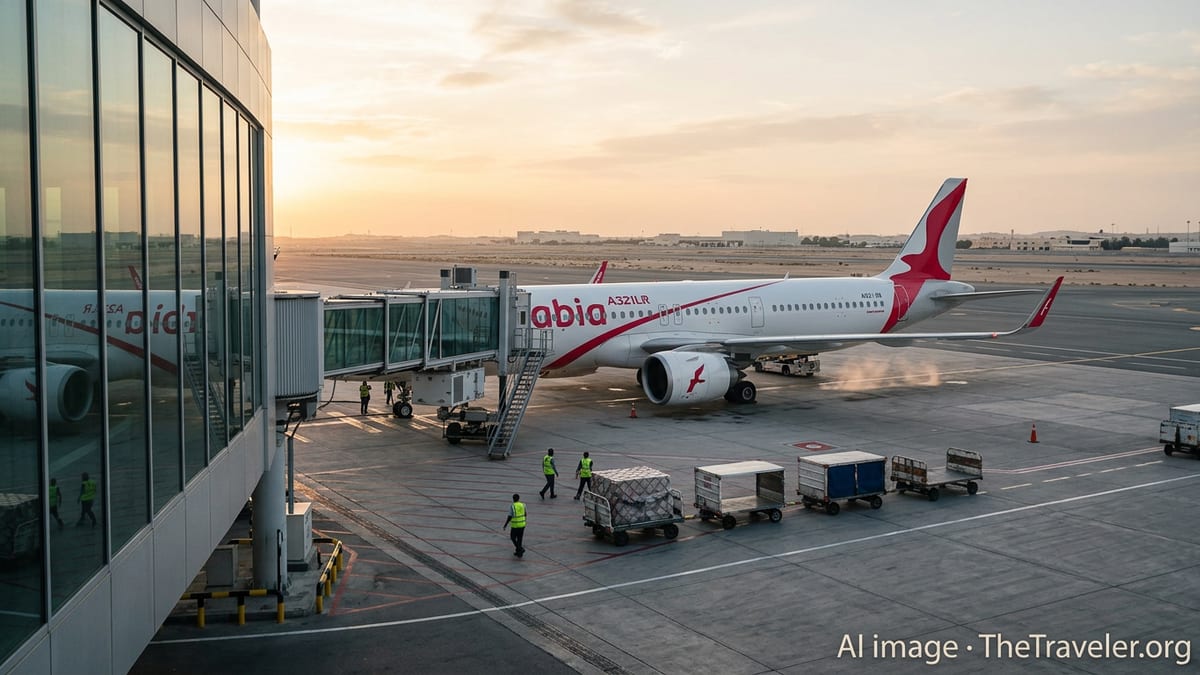
Flight Disruption Picture at Gatwick So Far Today
Publicly available tracking data for Tuesday, April 7 indicates that London Gatwick has been coping with a steady stream of delayed departures and arrivals, alongside a smaller number of outright cancellations. While the volume of disruption is lower than during the peak Easter weekend, the morning and early afternoon periods have seen knock-on effects from congested routes across northern Europe.
Travel industry roundups focused on the wider UK network show that Gatwick has been one of the country’s more delay prone airports in recent months, regularly appearing near the top of national rankings for average departure hold ups. Recent data compilations on London’s airports suggest that Gatwick continues to record some of the longest average delays among major UK hubs, a trend that appears to be reflected again in today’s rolling schedule.
Real time status boards show a mix of modest delays of between 15 and 45 minutes on short haul European services and longer waits on certain leisure routes. These delays are more widespread than the relatively small number of cancellations, which are concentrated among a handful of departures where aircraft or crews have been unable to reach Gatwick on time from earlier legs.
The impact for passengers has varied significantly by airline and destination. Operators with dense schedules into northern Europe and the North Atlantic appear to be seeing the most knock on effects, especially where aircraft are operating multiple rotations through already congested airspace.
European Weather and Network Strain Behind Many Delays
Today’s Gatwick disruption is unfolding against a wider backdrop of problems across European air travel. Industry reports published this morning describe hundreds of delays and cancellations across major hubs in Iceland, Scandinavia, Ireland, Germany and the United Kingdom, as airlines continue to recover from the effects of a strong Atlantic storm system and earlier holiday period congestion.
According to travel trade coverage, this pattern of disruption has been driven in part by adverse weather on key North Atlantic and northern European routes, with airlines forced to slow operations or reroute aircraft around storm affected corridors. That has left some carriers struggling to reposition aircraft and crews back into their regular schedules, feeding further delays at downstream airports including Gatwick.
Operational analyses published in recent weeks also point to persistent structural pressures, including crew duty hour limits, tight turn times and crowded airspace over western Europe. When early morning flights run late because of weather or congestion, aircraft and crews often reach their regulatory limits later in the day, prompting additional cancellations or extended ground delays even after local conditions improve.
Gatwick’s heavy reliance on short haul point to point traffic means it is particularly exposed to this kind of network strain. A single delayed rotation on a busy leisure route can affect several subsequent departures and arrivals, especially at the height of the spring travel season when schedules are running close to capacity.
Airlines and Routes Most Affected at Gatwick
Low cost and leisure focused airlines, which make up a large share of Gatwick’s traffic, appear especially prominent in today’s delay statistics. Travel industry summaries looking at the UK market this week identify easyJet as one of the carriers with the highest number of affected flights, with additional disruption reported for several European operators with strong Gatwick presences.
Published reports on recent days’ performance highlight that routes linking Gatwick with popular holiday destinations in Spain, Ireland and other short haul markets have been vulnerable to rolling disruption. Some of these routes have already seen extended approach patterns, diversions and go arounds in recent days as weather and congestion combined to complicate landings and departures.
Longer haul services have so far been less heavily impacted in numerical terms, but their larger passenger loads mean that any delay or cancellation can affect substantial numbers of travelers. Network carriers using Gatwick as a secondary London gateway have been monitoring conditions closely, with some services adjusted earlier in the season in response to changing demand and higher operating costs.
Separately, decisions by certain regional and niche airlines to scale back or withdraw Gatwick services this spring have added further complexity for travelers from secondary UK markets. In some cases, carriers have cited rising fuel prices and softer demand as reasons for ending routes into Gatwick, leaving passengers reliant on alternative London airports or connecting services.
What Today’s Disruption Means for Travelers
For passengers holding tickets in and out of Gatwick today, the practical effect of the current disruption is a higher than usual risk of moderate delay, alongside a smaller but still notable chance of cancellation or diversion on affected routes. Consumer information portals advise travelers to build extra time into their journeys, especially for flights scheduled around recognised peak periods and for those relying on tight onward connections.
Air passenger rights resources note that, under UK and European regulations, travelers on flights departing from Gatwick may be entitled to care, rebooking or compensation in certain circumstances, particularly where delays or cancellations are not caused by extraordinary conditions such as severe weather or airspace closures. Guidance typically recommends that travelers keep boarding passes, booking confirmations and screenshots of departure boards as evidence if they intend to pursue claims later.
Today’s events also underscore the value of checking flight status repeatedly in the hours before travel. Airlines and airports are continuing to update departure and arrival information throughout the day as the broader European picture evolves, and same day timetable changes remain possible when aircraft or crews become unavailable at short notice.
With the spring travel period now in full swing, analysts suggest that passengers flying through Gatwick over the coming days should expect continued pockets of disruption, even if conditions stabilize. The combination of busy schedules, lingering weather effects and tight airline staffing means that any new shock to the system could quickly translate into fresh queues at check in, security and boarding gates.
Outlook for the Rest of Tuesday at Gatwick
By mid afternoon on Tuesday, April 7, trends in publicly available data point to a gradual easing of the most acute pressures at Gatwick, although delays are still being recorded across both terminals. Evening departures, particularly on leisure and city break routes, may continue to experience schedule changes as airlines work to reset their operations and position aircraft for tomorrow’s rotations.
Travel monitoring services note that recovery from a morning of disruption often takes several hours, and some residual delays can persist into the late evening even when weather and airspace conditions improve. At a busy, slot constrained airport such as Gatwick, opportunities to make up lost time are limited, which can prolong the effects of early problems.
Industry observers are watching closely to see whether today’s disturbances evolve into a more prolonged pattern across the week or remain largely confined to the tail end of the Easter period and the aftermath of recent storms. The answer is likely to depend on a mixture of meteorological developments, staffing resilience and how quickly airlines can restore normal rotation patterns for their fleets.
For now, travelers using Gatwick this evening and into the night are being urged by consumer groups and travel advisers to stay alert to updates, allow extra time at the airport and be prepared for gate changes or last minute schedule adjustments as airlines continue to manage the day’s disruption.