

More news on this day
Three long-haul services operated by Delta Air Lines and American Airlines between South Korea and the United States have been cancelled, disrupting travel plans for passengers flying from Seoul to Los Angeles and Dallas and adding fresh uncertainty for transpacific travelers.
Get the latest news straight to your inbox!
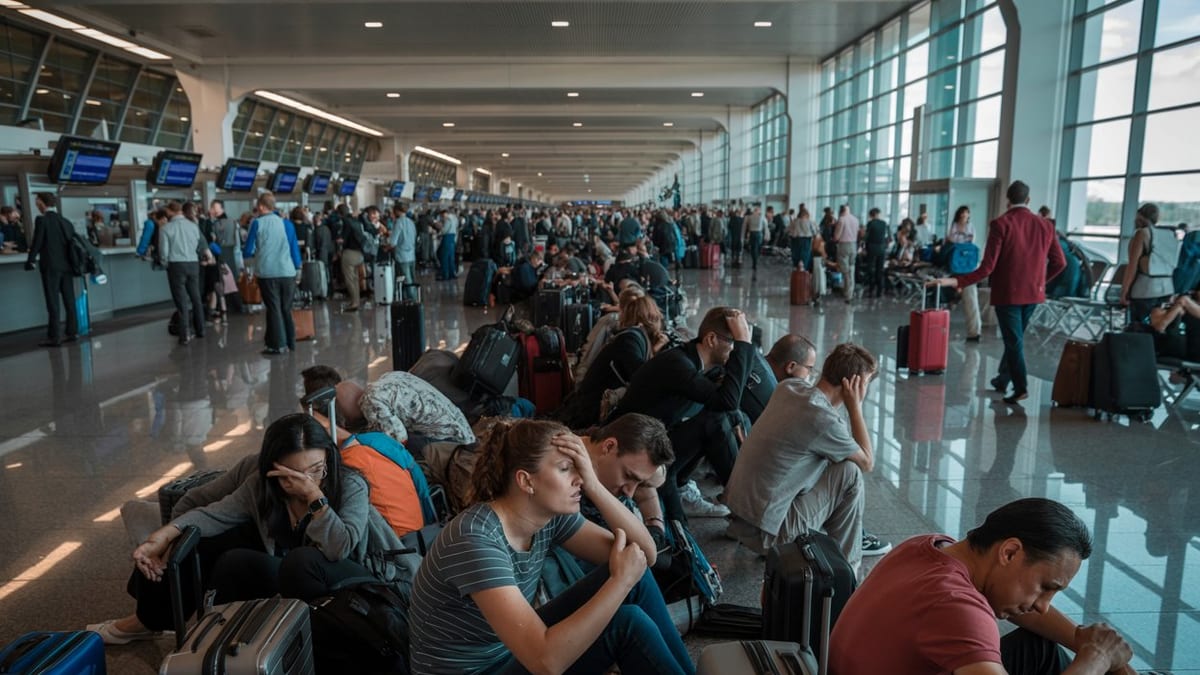
Image by Travel And Tour World
What Is Known About the Latest Cancellations
Publicly available flight-tracking information and schedule data indicate that three services involving Delta Air Lines and American Airlines on routes touching South Korea have been cancelled within a short window, affecting itineraries from Seoul to Los Angeles and Dallas. The disruptions appear to involve departures from Incheon International Airport, the country’s main international hub, and have led to missed onward connections across both carriers’ U.S. networks.
Published coverage and user reports suggest that the cancellations are concentrated on high-demand long-haul sectors that link Seoul with major U.S. gateways, including Los Angeles International Airport and Dallas Fort Worth International Airport. These routes are key feeders into broader domestic networks, so the impact extends beyond the immediate point-to-point markets and into secondary cities across the United States.
Initial indications point to a mix of operational and weather-related factors, including earlier disruptions in Dallas and wider scheduling pressures across transpacific networks. Previous episodes this year have shown how quickly seemingly isolated cancellations on Seoul routes can cascade into extended delays for travelers attempting to reach the United States or connect onward to other regions.
While exact passenger numbers affected by the three latest cancellations are not yet clear, long-haul widebody services typically carry several hundred travelers each. Even a small cluster of cancellations can therefore translate into a sizable rebooking challenge for airline operations teams and for travelers attempting to maintain time-sensitive itineraries.
Impact on Seoul to Los Angeles and Dallas Travelers
Passengers scheduled on the affected services between Seoul and Los Angeles and between Seoul and Dallas are facing a range of knock-on effects, from same-day rebookings to multiday delays. Reports from recent disruption events show that travelers often experience last-minute schedule changes, extended layovers, and overnight stays near hub airports when cancellations hit long-haul segments.
For those booked on Delta’s Seoul to Los Angeles route, cancellation of a nonstop service can mean being rerouted via another Asian or U.S. hub, potentially turning a direct flight into an itinerary with one or more additional stops. This can increase total journey time significantly and may introduce new risks of missed connections if subsequent flights are full or face their own delays.
American Airlines passengers on itineraries from Seoul to Dallas are similarly exposed. The Dallas Fort Worth hub connects to a wide range of domestic destinations as well as onward international flights. A cancelled Seoul to Dallas leg can therefore disrupt business trips, family visits, and tour departures throughout the U.S., especially when alternative long-haul capacity is constrained or when Dallas has been experiencing recent weather-related schedule pressures.
Travelers transiting through Seoul from elsewhere in Asia are also affected when the final long-haul segment to the United States is cancelled. Some face unplanned stopovers in South Korea, while others are rerouted entirely away from their original U.S. entry point, complicating ground transport, hotel reservations, and time-sensitive commitments at their final destination.
Operational and Weather Pressures Behind the Disruptions
Recent months have highlighted how vulnerable long-haul operations can be to a combination of severe weather, aircraft availability constraints, and crew scheduling limits. Publicly available analyses of American Airlines operations during Winter Storm Fern in January 2026 detailed thousands of cancellations concentrated around Dallas Fort Worth, illustrating how storms can create lasting ripple effects across the carrier’s network.
Similar patterns have been observed on other long-haul routes serving Dallas and Los Angeles, where weather and air traffic management restrictions can force airlines to proactively trim schedules or cancel specific services to maintain safety margins and manage congestion. Once aircraft and crews are out of position, international routes such as Seoul to Los Angeles or Seoul to Dallas can be among the most challenging to restore quickly because of their length and the limited pool of spare long-haul aircraft.
Operational data and traveler accounts from the past year also point to episodes in which Seoul-linked flights were cancelled due to a mix of mechanical issues, crew duty-time limits, and broader network imbalances. Even when local conditions in South Korea are stable, airlines may decide to cancel or consolidate specific Seoul flights if inbound aircraft or crews from the United States are delayed or unable to operate as planned.
These underlying pressures mean that a small cluster of cancellations, like the three affecting Delta and American services around South Korea, can signal broader strain within long-haul networks. Travelers on upcoming departures are therefore watching schedules closely, particularly where their itineraries depend on connecting through weather-prone hubs or tight turnaround times between long-haul and domestic segments.
What Affected Passengers Are Being Offered
Based on published airline policy summaries for 2026, both Delta and American generally offer no-fee rebooking onto the next available flight when a cancellation is initiated by the carrier. When entire long-haul segments are cancelled, travelers are often automatically reprotected on alternative routings, though the new itineraries may involve additional connections, redeyes, or longer overall travel times.
Publicly available guidance for American Airlines describes comparatively flexible same-day change and standby options, which can be valuable for travelers trying to improve disrupted itineraries once they reach a hub such as Dallas Fort Worth. Delta’s customer-facing materials emphasize rebooking through digital channels and the airline’s app, which may help passengers secure scarce seats on alternative transpacific services as they appear.
Compensation and expense coverage remain more limited for weather-related or operational cancellations, particularly on U.S. carriers. While airlines typically provide meal vouchers or hotel assistance in some circumstances, current policy documents indicate that reimbursement is often focused on situations where a disruption is deemed controllable rather than driven by weather or air traffic constraints.
Travel insurance providers and some credit card issuers may offer additional protection, but coverage usually depends on fine print that distinguishes between causes such as mechanical issues, air traffic control restrictions, and severe weather. As with previous disruption events, travelers affected by the Seoul to Los Angeles and Seoul to Dallas cancellations are reviewing their policy wording carefully before submitting claims.
Practical Advice for Upcoming Seoul U.S. Trips
With three services already cancelled and transpacific schedules under continued pressure, travelers preparing to fly between Seoul and U.S. hubs such as Los Angeles and Dallas are being urged by publicly available travel advisories and airline communications to plan more conservatively. That often means building in longer connection windows, particularly when passing through weather-sensitive hubs or during seasons with a history of operational strain.
Experts quoted in recent travel coverage recommend that passengers departing from Seoul check their flight status repeatedly in the 24 hours before departure and again before leaving for the airport. Airlines frequently implement schedule changes overnight or in the early morning, and early awareness of a potential cancellation can make it easier to secure a more favorable rebooking option before remaining seats are taken.
Travel planning resources also suggest considering alternative routings that avoid the most disruption-prone hubs when feasible, even if that means a slightly longer itinerary on paper. For example, some Seoul passengers have opted to connect through West Coast gateways other than Los Angeles or to route through non-U.S. hubs when schedules allow, trading a more complex ticket for a potentially higher likelihood of on-time arrival.
As Delta Air Lines and American Airlines continue to manage the latest round of cancellations affecting flights between South Korea and the United States, passengers with upcoming travel dates are closely monitoring schedules and weather forecasts. With transpacific demand remaining strong and spare capacity limited, early action and flexible planning are emerging as key tools for minimizing the impact of any further disruptions on the Seoul to Los Angeles and Seoul to Dallas corridors.