

More news on this day
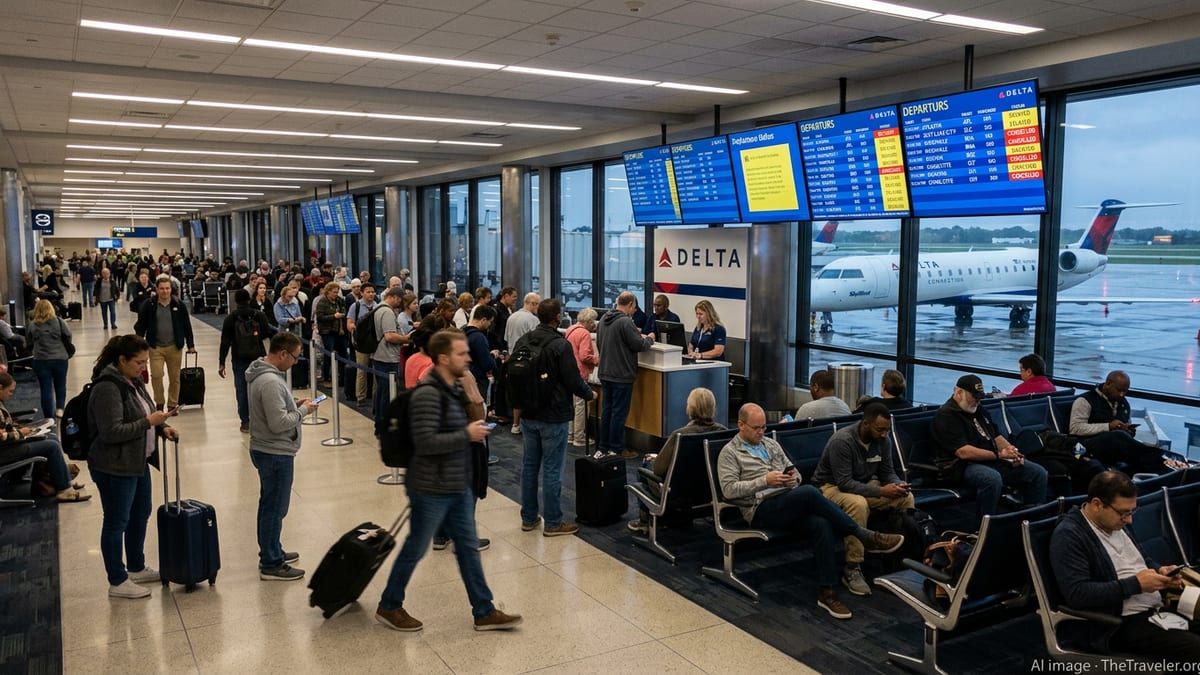
Travelers passing through St. Louis Lambert International Airport on March 8 faced a fresh wave of disruption as Delta Air Lines and regional partner SkyWest cancelled six flights and pushed back dozens more, snarling key domestic routes to Atlanta, Salt Lake City, Nashville, Boston, Charlotte and other major hubs at the close of a volatile travel weekend.
Weather Turbulence and Network Strain Ripple Into St. Louis
The disruptions at Lambert came as airlines across the United States were still working to recover from severe storms and low clouds that have plagued major hubs since March 7, triggering 478 cancellations and more than 5,000 delays nationwide. Knock-on effects from ground stops and delay programs at airports including Chicago O’Hare, Atlanta and Boston fed directly into the schedules of Delta and SkyWest, which rely heavily on tightly timed hub connections.
Delta’s Atlanta hub has been under particular pressure after thunderstorms and unforecast hail forced traffic management measures, limiting the number of arrivals carriers could accept in already congested airspace. As aircraft and crews fell out of position, regional feeders such as SkyWest were left with little slack, and Lambert’s schedule began to fray with rolling delays cascading through the day.
Operations at Boston Logan and other East Coast airports were also slowed by low ceilings that required greater spacing between flights, further constraining the national network. For passengers in St. Louis, that meant aircraft arriving late from storm-affected cities, shorter turnaround times, and a growing queue of departures pushed back from their original slots, even when local weather at Lambert remained relatively stable.
Aviation data from industry trackers showed Lambert slipping into the ranks of U.S. airports with elevated combined delay times, underscoring how regional hubs can quickly become collateral damage when primary nodes such as Chicago, Denver, Atlanta and Boston run into trouble.
Six Cancellations Hit High-Demand Delta and SkyWest Routes
By Sunday afternoon, Lambert’s departure boards reflected a concentrated cluster of cancellations pinned to Delta and SkyWest services. Four of the scrubbed flights were operated by SkyWest on behalf of Delta, primarily serving regional links into the carrier’s hub network, while two mainline Delta departures were also removed from the schedule.
Among the hardest-hit routes were multiple frequencies to Atlanta, a lifeline for St. Louis travelers connecting to the Southeast, Latin America and transatlantic destinations. At least two Delta-branded services between Lambert and Hartsfield–Jackson were cancelled outright, with remaining departures subject to extended delays as inbound aircraft arrived late from weather-affected cities.
Connections to Salt Lake City, a critical western hub for Delta and SkyWest, were also disrupted, with one SkyWest-operated departure scrubbed and another delayed as crews and equipment remained out of position. Passengers bound for the Mountain West and Pacific Northwest reported last-minute gate changes and rolling departure times as planners attempted to re-thread scattered aircraft into a workable pattern.
Shorter-haul routes, including services touching Nashville, Boston and Charlotte via Delta’s regional network, were not spared either. One SkyWest rotation linking Lambert with the carrier’s southeastern flows was cancelled, while Boston- and Charlotte-bound flyers faced significant delays, shrinking connection windows and forcing many to be rebooked onto later itineraries.
Travelers Confront Long Lines, Rebooking Scrambles and Frayed Plans
Inside Lambert’s terminals, the operational strain translated into long customer service lines and crowded gate areas as families, business travelers and weekend visitors scrambled to salvage itineraries. With six flights cancelled and many more running late, the pool of open seats on alternative departures quickly tightened, especially on popular evening services into hub cities.
Passengers booked on SkyWest-operated flights for Delta reported being reprotected onto later mainline departures where possible, but some were facing overnight stays or complex multi-stop reroutes through secondary hubs. For travelers aiming to reach onward international departures from Atlanta or Boston, the time pressure was even more acute, with missed connections leading to full-day delays and, in some cases, unexpected hotel stays en route.
Delta staff at Lambert worked to distribute meal vouchers and hotel information for those stranded by cancellations, but limited nearby availability during a busy weekend left some travelers arranging their own accommodations. Others opted to reroute on different carriers when seats were available, while a handful of short-haul passengers to Nashville and other regional cities chose to abandon their flights in favor of rental cars and overnight drives.
The atmosphere in the concourses reflected a mix of frustration and resignation familiar to frequent flyers after years of weather- and staffing-related disruption. While many passengers acknowledged that storms far from Missouri were to blame, the concentration of cancellations on a single carrier group left some questioning whether airlines had built enough resilience into their tightly wound schedules.
Operational Pressures Expose Fragility of Regional Networks
Industry analysts note that the pattern seen at Lambert on March 8 highlights the enduring fragility of the U.S. regional airline system, in which carriers like SkyWest operate dense banks of short flights feeding a limited number of mega-hubs. When those hubs are constrained by weather or air traffic control measures, small disruptions can rapidly grow into systemic breakdowns felt hundreds of miles away.
Because regional jets often perform several legs per day and rely on specific crew pairings and maintenance windows, canceling a single rotation to restore on-time performance can be more efficient for an airline than carrying a string of severely delayed flights into the night. For passengers at intermediate airports such as St. Louis, however, those tactical decisions may mean the only nonstop option to a key hub disappears for the day.
Delta and SkyWest have both invested in technology to improve crew scheduling and aircraft tracking, but the events of the weekend suggest that even sophisticated tools struggle when multiple hubs are battling storms at the same time. With Chicago, Denver, Atlanta, Boston and other major airports all facing waves of delays and cancellations, regional operators had little choice but to pare back their schedules and concentrate resources on the most time-sensitive routes.
Local airport officials at Lambert have emphasized that, while the cancellations were disruptive, safety considerations related to upstream weather and air traffic control restrictions must remain paramount. They also point out that Lambert’s role as a mid-continent connector means its fortunes will continue to be closely tied to the operational health of distant hubs.
What St. Louis Travelers Should Expect Next
Looking ahead, airline planners expect some lingering impacts into Monday as aircraft and crews are repositioned and the national system digests the backlog of displaced travelers. Delta and SkyWest were working through Sunday evening to re-accommodate affected St. Louis passengers on remaining flights, while advising those with flexible plans to monitor their itineraries closely and consider voluntary changes where waiver policies allow.
Travel experts recommend that passengers with upcoming trips from Lambert to Atlanta, Salt Lake City, Nashville, Boston, Charlotte and other heavily trafficked hubs build additional buffer time into their schedules, particularly if they have tight international connections. Monitoring flight status through airline apps and signing up for text alerts can provide early warnings of gate changes or creeping delays before they appear on airport displays.
For Lambert itself, the weekend’s turbulence will likely feed into ongoing discussions about the airport’s role within the national network and its reliance on a limited number of key airline partners for connectivity. While Sunday’s six cancellations represent a small fraction of daily departures, the outsized impact on travelers bound for major hubs underlines how critical those links are for both business and leisure demand in the St. Louis region.
With spring storm season still ahead and the broader U.S. aviation system running close to capacity, airport and airline officials alike will be under pressure to demonstrate that lessons from this latest disruption have been absorbed. For now, Lambert’s weary passengers are focused on a simpler goal: finally getting to their destinations after a weekend of unexpected detours.