

More news on this day
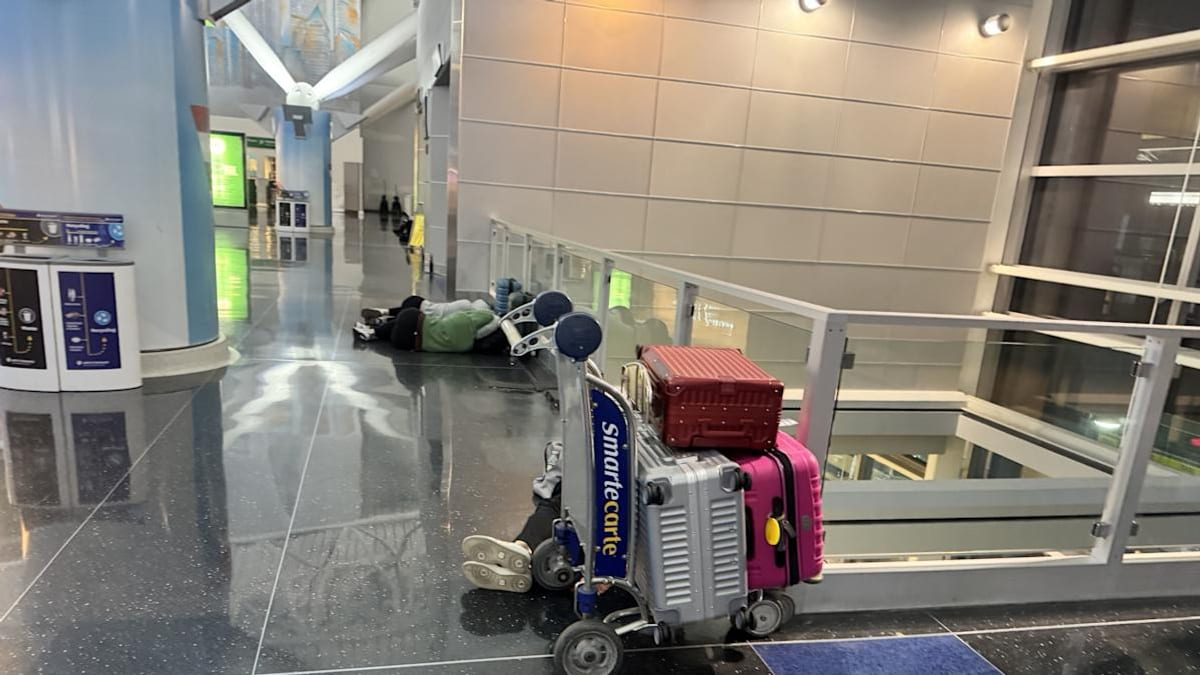
Delta Air Lines passengers at Hartsfield Jackson Atlanta International Airport, the carrier’s largest hub, faced hourslong tarmac delays, terminal overcrowding and makeshift beds on airport floors as triple digit flight cancellations rippled across the network on April 7.
Get the latest news straight to your inbox!
Severe Disruption Hits Delta’s Biggest Hub
Published tracking data and airport operations reports for April 7 indicate that Delta recorded more than 100 flight cancellations systemwide, with a heavy concentration at Hartsfield Jackson Atlanta International Airport. The disruptions spilled into lengthy delays, creating bottlenecks on taxiways and at crowded gates as aircraft and crews fell out of position.
Atlanta is Delta’s primary hub and one of the world’s busiest airports by passenger traffic, so concentrated cancellations there quickly affect connections across the United States and beyond. Travelers connecting through the airport reported missed onward flights, last minute rerouting and uncertain overnight plans as remaining seats on alternative services filled up.
Operational data compiled by aviation tracking services show Delta leading all major carriers in cancellations for the day, amplifying the impact on domestic and international itineraries. Other airlines also reported delays and scrubbed flights, but the scale of Delta’s schedule at Atlanta magnified the disruption for its customers.
Passengers Report Sleeping on Floors and Crowded Gates
Accounts posted on social media platforms and travel forums describe passengers spreading out on concourse floors overnight as hotel options near the airport quickly thinned. Photographs and videos shared publicly show travelers using jackets and carry on bags as makeshift pillows while they waited for rebooking or morning departures.
These scenes echo widely reported images from earlier large scale disruptions that left Delta customers sleeping in Atlanta’s terminals after cascading cancellations. In those previous incidents, coverage by major outlets highlighted families, elderly travelers and unaccompanied minors trying to rest on hard surfaces amid long lines for customer assistance. The latest wave of cancellations appears to have produced similarly difficult conditions for many passengers unable to secure immediate accommodations.
Some travelers also reported limited access to food and water late at night, with concessions closed or lines stretching far down concourses. Publicly available guidance from consumer advocates notes that in severe disruptions, passengers often struggle to obtain timely updates and practical support, especially when thousands of other travelers are seeking the same assistance at once.
Hours on the Tarmac Intensify Frustration
Alongside overnight terminal crowding, numerous passenger accounts describe lengthy waits onboard aircraft parked on the tarmac at Atlanta and other affected airports. Travelers reported sitting for hours after boarding as weather, ramp congestion or crew availability issues prevented departures or gate returns.
Past reporting on Delta and other U.S. carriers has documented similar experiences in which mechanical checks, ground stoppages or gate shortages kept passengers confined to aircraft for extended periods. These situations can quickly strain cabin conditions and patience, particularly when information is limited or experiences of previous long delays are fresh in travelers’ minds.
Publicly available federal guidelines restrict how long airlines can keep passengers on the tarmac without offering them an opportunity to deplane, but crowded gate areas and operational constraints can still produce waits approaching those limits. The latest disruption added to a growing list of episodes in which tarmac holds and abrupt cancellations have featured prominently in passenger complaints.
Pattern of High Profile Disruptions for Delta
The April 7 meltdown comes after a run of high profile disruptions for Delta in recent years, including a major technology outage in 2024 that led to thousands of flight cancellations and a prolonged recovery. Subsequent legal filings and media coverage detailed reports of passengers stranded at hubs, sleeping on airport floors and struggling to obtain prompt refunds or alternative travel arrangements.
Consumer advocates point to these episodes as evidence that large network carriers remain vulnerable when severe weather, technical failures or staffing shortfalls intersect with packed schedules. In hub and spoke systems like Delta’s, a single day of concentrated cancellations at the main hub can trigger multi day effects across the route map, leaving travelers far from home with few immediate options.
Analysts note that Delta has also spent heavily in recent years to emphasize reliability and premium service, making such breakdowns especially damaging to its brand. When disruptions force widespread cancellations, the contrast between marketing messages and terminal reality can fuel criticism and push some customers to consider alternative carriers for future trips.
What Stranded Travelers Can Expect and Do Next
Publicly available information from the U.S. Department of Transportation and consumer travel guides indicates that when an airline cancels a flight, passengers are generally entitled to a refund if they choose not to travel, even on nonrefundable tickets. If they still wish to fly, most carriers, including Delta, typically attempt to rebook affected travelers on the next available services at no additional fare.
However, policies around meal vouchers and hotel accommodations vary by airline and depend heavily on whether the disruption is considered within the carrier’s control. Weather related cancellations often do not trigger hotel coverage, while staffing or mechanical issues sometimes do. Advocates recommend that passengers review each airline’s customer service plan and document all expenses and communications during irregular operations.
For those caught in Atlanta or other hubs overnight, experienced travelers advise seeking out assistance channels beyond the main customer service lines, such as mobile apps, website chat functions or customer service desks in quieter concourses. These options can occasionally yield faster rebooking than crowded primary queues, especially in large scale disruptions affecting thousands of people at once.
As Delta works through the fallout from the latest round of cancellations at its largest hub, attention is likely to focus on how quickly the carrier restores its schedule and what additional steps it takes to support affected passengers. For many travelers watching images of crowded concourses and exhausted families on airport floors, the events of April 7 will be another reminder to build flexibility into itineraries and to understand their rights long before boarding time.