

More news on this day
A Delta Air Lines flight in Georgia is drawing national attention after passengers reported that departure was held at the gate so the late-arriving family of a local airport executive could board, with some travelers claiming the crew appeared uncomfortable as the delay unfolded.
Get the latest news straight to your inbox!
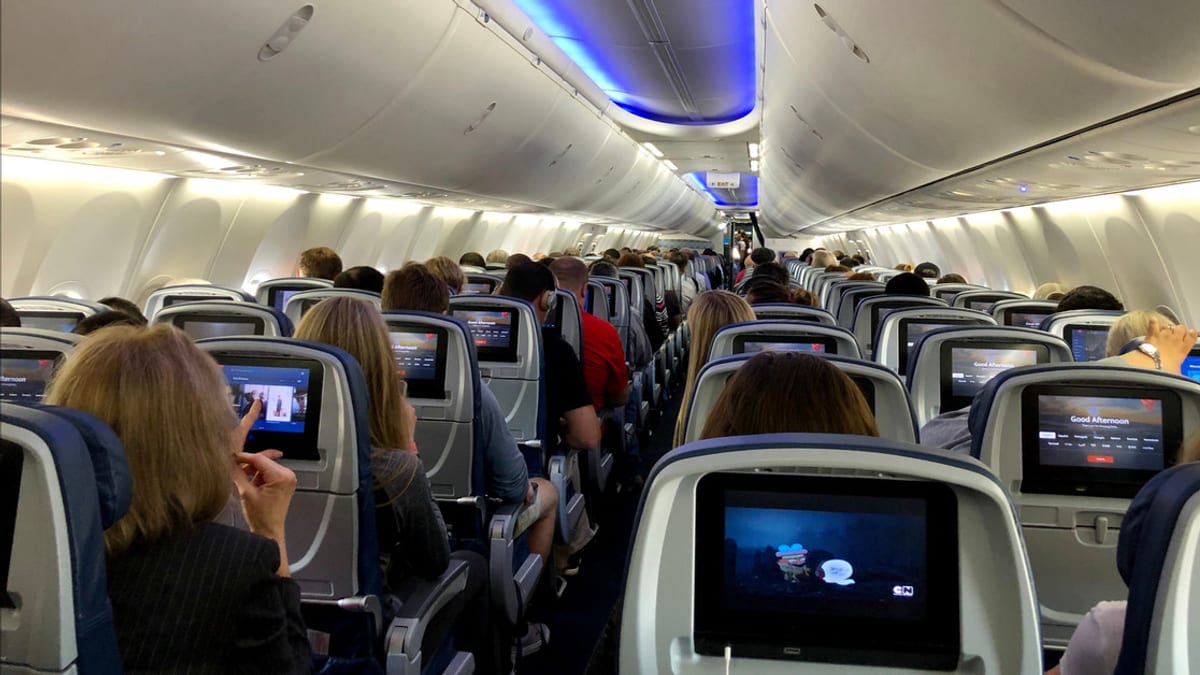
Image by thetravel.com
Allegations of Special Treatment at Georgia Airport
Reports circulating in U.S. media and across social platforms indicate that the incident occurred on a Delta-operated flight departing from the small coastal airport in Brunswick, Georgia, bound for Atlanta. According to published coverage, several passengers said the aircraft remained at the gate while ground staff waited for a family connected to an airport executive to arrive after the scheduled departure time.
Accounts describe a scene in which boarding had already finished and the aircraft door was prepared for closure when communication from the terminal reportedly led to a pause. Passengers say the delay continued until several late-arriving travelers boarded the aircraft, prompting frustration among those already seated who were eager to depart on what was the final flight of the night.
The story gained wider visibility after some travelers shared their experiences with national outlets and online forums, alleging that the family received treatment that would not typically be extended to ordinary passengers who arrive late to the gate. Some of those accounts described the situation as unfair, especially for travelers with onward connections or early-morning obligations.
Local airport representatives have not issued detailed public statements about the episode, but publicly available information shows that the airport is overseen by a regional authority with close working ties to multiple airlines, including Delta. The reported involvement of a senior local figure has sharpened the debate around how much influence airport-side decision makers should have over airline operations at the gate.
Passenger Frustration Over Delays and Perceived Double Standards
The controversy has struck a nerve with frequent flyers who say they are often warned that boarding doors close several minutes before departure and that late arrivals risk losing their seats. Travelers commenting on the Georgia incident argue that many passengers are turned away despite minor delays, particularly during tight connections, while the reported VIP family was allowed to board after the scheduled time.
Some accounts from the flight describe restless passengers, with several reportedly timing the delay on their phones and sharing observations with others seated nearby. Comments circulating online suggest that the hold at the gate lasted long enough for travelers to begin speculating about whether they would miss ground transportation or early-morning commitments on arrival.
Publicly available aviation guidance indicates that airlines generally seek to depart on or close to schedule, both to protect on-time performance metrics and to avoid cascading disruptions to subsequent flights. When a gate hold occurs for a small number of passengers, other travelers often question whether the decision is justified, particularly if the delay leads to missed connections or late-night arrivals.
The Georgia episode has tapped into a broader frustration among travelers who feel that accountability for delays is unevenly applied. Social media comments in response to the story point to a perception that ordinary passengers are expected to navigate long security lines and crowded terminals with little flexibility, while individuals perceived as connected to airport or airline leadership may receive more accommodating treatment.
Reports of an Uncomfortable Cabin Crew
A notable detail from passenger accounts involves the behavior of the flight attendants and cockpit crew. Some travelers quoted in published coverage said the crew appeared visibly uncomfortable as the delay stretched on, with one passenger characterizing them as “embarrassed” by the circumstances.
According to these accounts, cabin crew continued typical pre-departure duties while waiting for instructions, but their body language and limited announcements reportedly suggested reluctance. Some passengers interpreted the tone of the brief communication from the front of the cabin as an effort to acknowledge the delay without explicitly explaining that the flight was being held for late-arriving individuals connected to airport leadership.
Publicly available information about airline operations notes that flight crews are ultimately responsible for safety and compliance, while gate agents and ground managers often coordinate boarding decisions. Industry analysts observing the Georgia case have pointed out that when operational decisions intersect with sensitive questions of perceived favoritism, front-line staff can be placed in an awkward position, left to manage customer frustration for choices that may originate off the aircraft.
Commentary from aviation-watch communities suggests that the Georgia incident may have resonated strongly because it combined three volatile ingredients: a late-night departure, a small regional airport where personal relationships are more visible, and a perception that staff on board were not entirely comfortable with what was unfolding.
Delta’s Policies and the Wider Debate Over Holding Flights
Delta Air Lines, like other major U.S. carriers, outlines general boarding policies that emphasize punctual arrival at the gate and warn that boarding doors can close before scheduled departure. Publicly available guidance from the airline and travel-industry resources indicates that decisions to hold a flight are usually tied to operational considerations, such as accommodating passengers from a late inbound connection or addressing safety and maintenance issues.
Recent coverage of airline practices notes that carriers occasionally delay final door closure when multiple connecting passengers are en route or when disruptions might otherwise leave travelers stranded overnight. However, industry observers stress that such decisions typically hinge on the overall impact on the network, not on individual status or connections to airport management.
The Georgia case has therefore become a flashpoint in an ongoing debate about how airlines balance their pursuit of strong on-time performance metrics with customer service and perceived fairness. Aviation commentators say that, in an era of crowded flights and thin scheduling buffers, even a short hold can ripple through an airline’s timetable, affecting crews, ground operations, and passengers throughout the system.
Consumer advocates argue that clearer public explanations when flights are held could reduce speculation about favoritism. They say that without transparent communication about why a plane is waiting at the gate, travelers are likely to assume that special treatment is being extended to a few at the expense of many, particularly when local officials or executives are believed to be involved.
What It Means for Travelers at Smaller Hubs
The incident has highlighted how dynamics at smaller regional airports can differ from those at major hubs. At a large connecting airport, it is more common for flights to be briefly held to assist clusters of delayed passengers, and personal connections between airport leadership and travelers are less visible. At smaller facilities, where officials and staff are more likely to know one another, travelers may be quicker to suspect that interpersonal relationships are shaping decisions.
Travel experts say passengers departing from regional airports can take a few practical lessons from the Georgia story. Arriving well before departure time, monitoring flight status through airline apps, and building in extra time for security or parking issues remain important safeguards, especially on the last flight of the day. When delays do occur, documenting times and keeping records of any missed connections or added expenses can be useful if travelers later seek compensation under airline policies or federal rules.
The Georgia controversy also underscores the importance many travelers place on being treated equitably. Even a relatively short hold can feel more disruptive when passengers believe that personal connections, rather than operational needs, drove the decision. As airlines continue to refine boarding procedures and on-time performance goals, episodes like this one are likely to fuel ongoing discussions about how discretionary decisions at the gate are made and communicated to those already in their seats.
For now, the reported delay has become another example circulating in public debate about modern air travel, customer experience, and the boundaries of VIP treatment. While the specific circumstances in Georgia continue to be discussed within aviation circles and online, the broader questions it raises about fairness and transparency are likely to resonate with passengers far beyond a single late-night departure.