

More news on this day
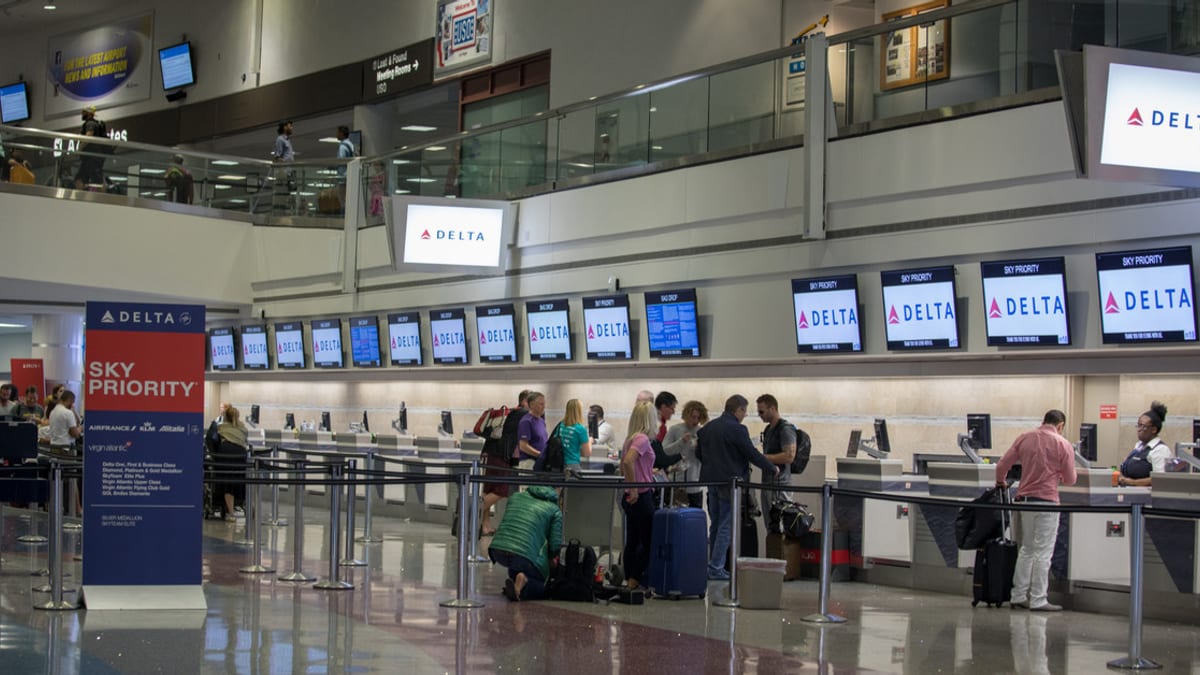
Delta Air Lines is urging travelers heading home from Easter holiday breaks to brace for potential delays and cancellations at two of its most important airports, as the carrier again tops U.S. airlines in scrubbed flights during a busy long weekend.
Get the latest news straight to your inbox!
Delta Sounds the Alarm for Easter Return Rush
Publicly available flight-tracking data for Easter Monday indicate Delta Air Lines recorded the highest number of cancellations among major carriers, with dozens of flights dropped across its network as demand peaked for the post-holiday return. Reports show the disruptions were concentrated at Hartsfield-Jackson Atlanta International Airport, Delta’s largest hub, and New York’s LaGuardia Airport, where tight runway capacity leaves little room to absorb schedule shocks.
According to published coverage drawing on FlightAware statistics as of April 6, 2026, Delta led all airlines with around 76 cancellations and close to 100 delays on Easter Monday alone. While the figures represent a fraction of the carrier’s total daily schedule, they were enough to cause missed connections, rolling delays, and longer lines at key hubs that were already crowded with returning holiday travelers.
Delta has issued operational advisories highlighting the risk of weather-related and knock-on disruptions across its network, encouraging customers traveling to, from, or through Atlanta and LaGuardia to closely monitor their flight status and consider adjusting plans. The guidance effectively serves as a travel warning for one of the busiest spring weekends of the year, when aircraft utilization is high and recovery time is limited.
The airline has emphasized in public statements that safety and network stability remain the priority when deciding whether to delay or cancel flights. With thunderstorms and unsettled spring weather affecting multiple regions, schedule cuts at constrained hubs like Atlanta and LaGuardia have become a key tool for maintaining overall reliability during peak periods.
Atlanta and LaGuardia Bear the Brunt of Disruptions
Data from Easter Monday show Atlanta’s Hartsfield-Jackson, the world’s busiest airport and Delta’s primary hub, as the single most affected U.S. airport by overall disruptions. Reports indicate that while only a small percentage of the airport’s total operations were canceled, the absolute number of scrubbed and delayed flights was significant, given the sheer scale of daily traffic at the hub.
Weather has been a persistent problem for Atlanta in recent weeks, with storms and low visibility periodically triggering ground stops and departure holds. Local coverage in early March documented hundreds of delays and more than a hundred cancellations in a single day at Hartsfield-Jackson as strong storms passed through the Southeast, underscoring how quickly operations can unravel when severe conditions coincide with heavy schedules.
New York LaGuardia, another airport called out in Delta’s advisory messaging, is particularly vulnerable to cascading delays due to limited runway and taxiway capacity. Even modest disruptions can ripple quickly through departure banks, leading to missed slot times and longer-than-expected ground waits. With Easter return traffic pushing terminals close to capacity, any cancellations or schedule adjustments by Delta and other carriers rapidly translated into congested gate areas and crowded rebooking desks.
Operationally, focusing cancellations at hub airports is a standard strategy, as it allows airlines to consolidate passengers onto remaining flights and better manage aircraft and crew positioning. For travelers, however, the concentration of scrubbed flights at Atlanta and LaGuardia meant a heightened risk of longer layovers and unexpected overnight stays during what is traditionally a family-focused holiday period.
Delta’s Recent Track Record on Cancellations
The latest Easter travel turbulence comes after a volatile 18 months for the U.S. airline sector, during which carriers have faced a series of weather events, air traffic control constraints, and infrastructure shocks. Delta in particular has drawn scrutiny for several headline-making disruption periods, including the CrowdStrike-related IT outage in July 2024 that led to more than 7,000 cancellations over five days and affected more than a million customers.
Despite that high-profile episode, Delta has also highlighted data indicating that its cancellation rate on a full-year basis remains comparatively low among the largest U.S. carriers. Industry analytics published in 2024 reported that the airline delivered one of the lowest cancellation rates for that year’s peak summer period, as well as strong on-time performance at key hubs such as Atlanta.
Operational performance during major holidays can nonetheless diverge sharply from broader averages. More recent analyses of storm-related disruptions and holiday peaks have sometimes shown Delta among the most affected carriers by cancellations, particularly when severe weather intersects with its core hubs. Reports on Christmas and New Year travel in late 2025 described days when Delta and American Airlines together accounted for a large share of grounded flights across major U.S. cities.
For regulators and consumer advocates, the contrast between overall annual reliability and short bursts of severe disruption remains an area of attention. Official consumer reports from the U.S. Department of Transportation continue to track carrier-level cancellation rates at hubs such as Atlanta and LaGuardia, providing a data-backed view of how airlines handle both routine operations and holiday stress tests.
What the Easter Warning Means for Travelers
For passengers flying over the Easter period, Delta’s cautionary messaging amounts to an invitation to plan proactively rather than assume business as usual. Public guidance from airline and travel industry sources emphasizes the importance of checking flight status frequently through airline apps or airport information channels, especially for those connecting through Atlanta or LaGuardia.
Travel experts note that on peak days such as Easter Monday, spare seats on later flights can quickly disappear once disruptions begin. When a carrier like Delta trims a portion of its schedule at a hub, rebooking options narrow and travelers who wait until they arrive at the airport to seek alternatives often face the longest lines and least flexibility.
Customer-facing policies have evolved since the large-scale meltdown in 2024, with Delta and other carriers more readily issuing weather waivers that allow travelers to change flights without additional fees when forecasts point to probable disruption. Publicly available information from Delta’s recent advisories indicates that the airline continues to use such waivers to encourage voluntary rebooking before storms or peak congestion hit, spreading demand more evenly across the schedule.
For those still planning trips later in the spring, the Easter weekend serves as a reminder that even highly rated airlines can struggle during weather-affected holidays. Analysts suggest building extra time into itineraries that pass through Atlanta or New York, avoiding tight connections, and favoring early departures when possible, as morning flights are less likely to be affected by the day’s cumulative delays.
Ongoing Pressures on Airline Operations
Beyond the immediate Easter disruptions, Delta’s experience at Atlanta and LaGuardia illustrates the broader challenges facing U.S. airlines as they balance aggressive schedules with an operating environment that remains vulnerable to shocks. Weather variability, air traffic control staffing constraints, and heavier-than-ever leisure demand continue to test network resilience.
Recent winter storms across the Midwest and East Coast produced some of the highest cancellation totals since the pandemic, according to industry reporting that compiled data across all major U.S. carriers. While no single airline has been immune, hub-focused networks like Delta’s can feel outsized effects when their primary airports sit squarely in the path of severe systems.
Against that backdrop, Delta has invested heavily in technology, crew planning, and airport infrastructure with the stated goal of limiting cancellations and improving recovery when outages occur. The company’s own operational updates in 2024 and 2025 have pointed to improved on-time performance and lower baseline cancellation rates in normal conditions, even as episodic shocks still produce travel headaches during holidays.
For now, travelers moving through Atlanta and LaGuardia in the wake of Easter are being urged by public advisories and news outlets to stay flexible, monitor conditions closely, and prepare for the possibility that further disruptions may continue as airlines reposition aircraft and crews. Delta’s Easter travel warning underscores that, heading into the busy summer season, even relatively modest waves of bad weather can have national implications when they hit the busiest nodes of the U.S. air network.