

More news on this day
A Delta Air Lines flight from Los Angeles to Sydney encountered a sudden burst of turbulence over the Pacific, injuring four cabin crew members and leading to medical checks on arrival in Australia, according to early reports from aviation trackers and local media.
Get the latest news straight to your inbox!
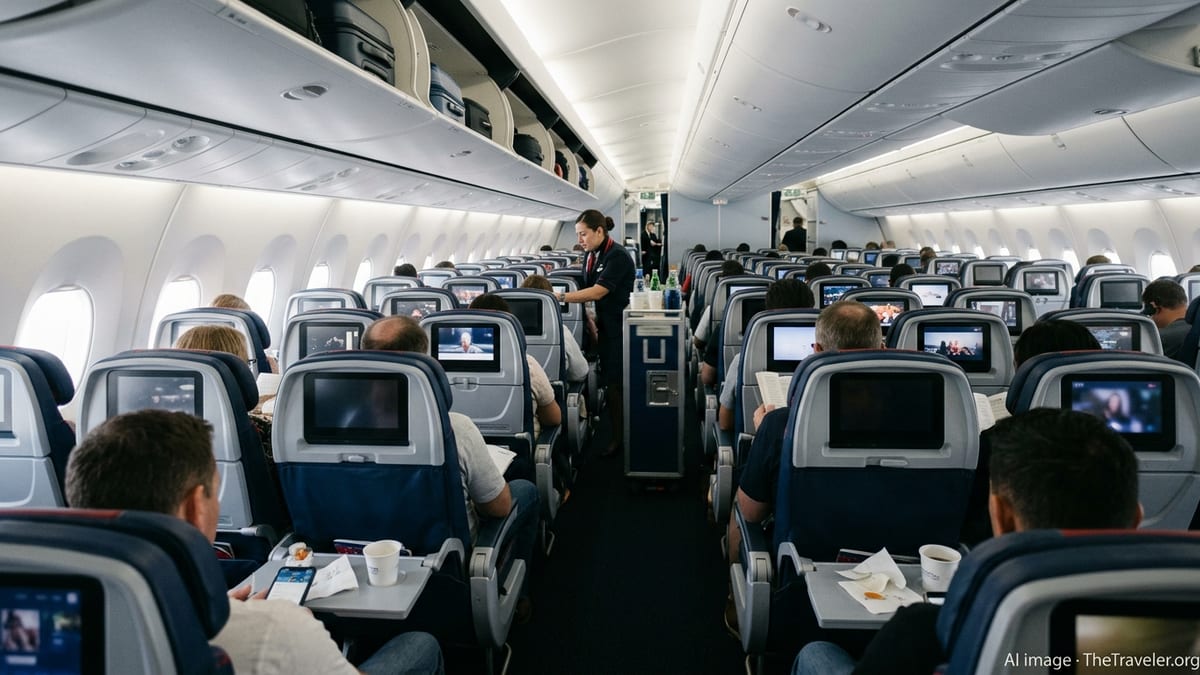
Transpacific Service Rocked Mid‑Journey
Publicly available flight data and media coverage indicate that the Delta aircraft, operating a regularly scheduled service between Los Angeles International Airport and Sydney Kingsford Smith Airport, was cruising at altitude when it flew into an area of unexpected rough air. The aircraft continued to Sydney and landed without further incident, but multiple crew members reported injuries linked to the turbulence episode.
Initial reports suggest that four cabin crew members were hurt during the jolt, likely while moving through the cabin or working in the galley area. Turbulence-related injuries disproportionately affect flight attendants, who often remain on their feet even when passengers are seated with belts fastened.
The specific atmospheric conditions along the route have not yet been fully detailed, but the corridor between the west coast of the United States and eastern Australia is known for changeable jet stream patterns. Sudden variations in wind speed and direction at cruising altitude can create pockets of rough air that are difficult to detect in advance.
The aircraft involved completed the flight and taxied to the gate under its own power, and no structural damage has been publicly reported. Passengers were able to disembark normally, though on-board announcements reportedly requested that travelers remain seated with seatbelts fastened for an extended period after the turbulence event.
Focus on Cabin Crew Injuries
Early information shared through aviation incident summaries points to four injured crew members, all understood to be part of the cabin team serving passengers. Injuries in such situations commonly include sprains, bruises, and impact trauma from being thrown against carts, ceilings, or armrests when the aircraft suddenly shifts in altitude or attitude.
In many recent turbulence cases globally, crew have suffered more serious harm than passengers because they are standing, lifting equipment, or maneuvering carts in aisles when turbulence strikes. When the seatbelt sign is off and the flight appears stable, crew are often completing service tasks that leave them less able to grab a secure handhold if the aircraft suddenly drops or lurches.
Medical personnel typically meet flights where significant turbulence injuries are reported, and publicly available information indicates that affected crew members from the Los Angeles to Sydney service were evaluated after landing. The scale of the response usually depends on the severity of the injuries and any reports of head impacts or possible fractures.
The incident is expected to be logged with aviation safety databases in both Australia and the United States. Such records are used to monitor patterns and highlight any need for changes in procedures, training, or route planning when particular segments of airspace show repeated turbulence activity.
Weather and the Growing Turbulence Risk
The route between North America and Australia crosses regions where high-altitude winds can be strong and variable, especially along the polar and subtropical jet streams. Clear-air turbulence, which often occurs in cloudless skies without visual warning, is a known hazard on these long overwater flights. It can occur even when meteorological forecasts describe generally smooth conditions.
Aviation safety studies and recent coverage from major outlets have noted an apparent rise in moderate and severe turbulence encounters on long-haul flights in multiple regions of the world. Researchers often link this trend to gradual changes in atmospheric circulation patterns, though the extent of any long-term increase remains a subject of ongoing analysis.
Modern airliners are structurally designed to withstand turbulence, and most such events result in no damage to the aircraft itself. The primary risks are to unrestrained occupants and loose items in the cabin. Seats, overhead bins, and interior fittings are engineered to handle substantial loads, but a sudden vertical movement can propel people and trolleys with significant force.
Pilots receive weather briefings before departure and routinely use radar, reports from other aircraft, and updated forecasts to avoid known storm systems and turbulent areas. However, clear-air turbulence is often invisible to radar, which is why some encounters, such as the one on the Delta Los Angeles to Sydney leg, still occur despite careful planning.
Safety Procedures and Passenger Advice
The incident reinforces long-standing safety guidance that passengers should keep their seatbelts fastened whenever seated, even when the seatbelt sign is turned off. Published safety recommendations from aviation authorities repeatedly highlight that most injuries during turbulence occur to people who are not buckled in or who are moving around the cabin.
On long-haul flights such as Los Angeles to Sydney, crew typically balance comfort and mobility with safety by encouraging travelers to move about the cabin only when necessary and to return to their seats promptly when signs of rough air begin. For their own safety, flight attendants are trained to secure galley equipment, stow service carts quickly, and take seats if conditions worsen.
Reports from other recent turbulence incidents involving international airlines show that beverage carts can become particularly dangerous when rough air hits without warning. Items can be thrown from trays, and the carts themselves can roll or lift off the floor, making it critical to secure them when forecasts call for possible bumps.
Although turbulence can be unsettling, industry data consistently indicate that it very rarely threatens the structural integrity of the aircraft. For most travelers, the greatest protective measure remains simple: fastening the lap belt snugly and following crew instructions promptly when the seatbelt sign illuminates or when announcements advise of expected rough air.
Implications for Transpacific Travel
The turbulence episode on the Delta service between Los Angeles and Sydney is likely to spark renewed discussion around comfort versus caution on long-haul routes. Travelers increasingly expect reliable in-flight service and the opportunity to move about the cabin, yet airlines and regulators continue to emphasize that safety considerations must take priority when atmospheric conditions change.
Regular flyers between Australia and the United States are familiar with stretches of choppy air across the Pacific, particularly in winter and during periods of active weather systems. While most flights are uneventful, episodes like this one serve as reminders that turbulence remains an inherent element of modern air travel, even on clear days.
Industry observers will watch for any formal summaries of the event from investigative bodies in the months ahead, including details about altitude, weather patterns, and the exact nature of the crew injuries. Such information can help refine turbulence forecasting models and inform training updates for cabin staff on long-haul operations.
For passengers planning future trips between North America and Australia, the practical takeaway is likely to be straightforward. Wearing a seatbelt consistently, stowing loose belongings, and paying close attention to crew instructions remain the most effective ways to reduce personal risk when an aircraft encounters unexpected rough air mid-flight.