

More news on this day
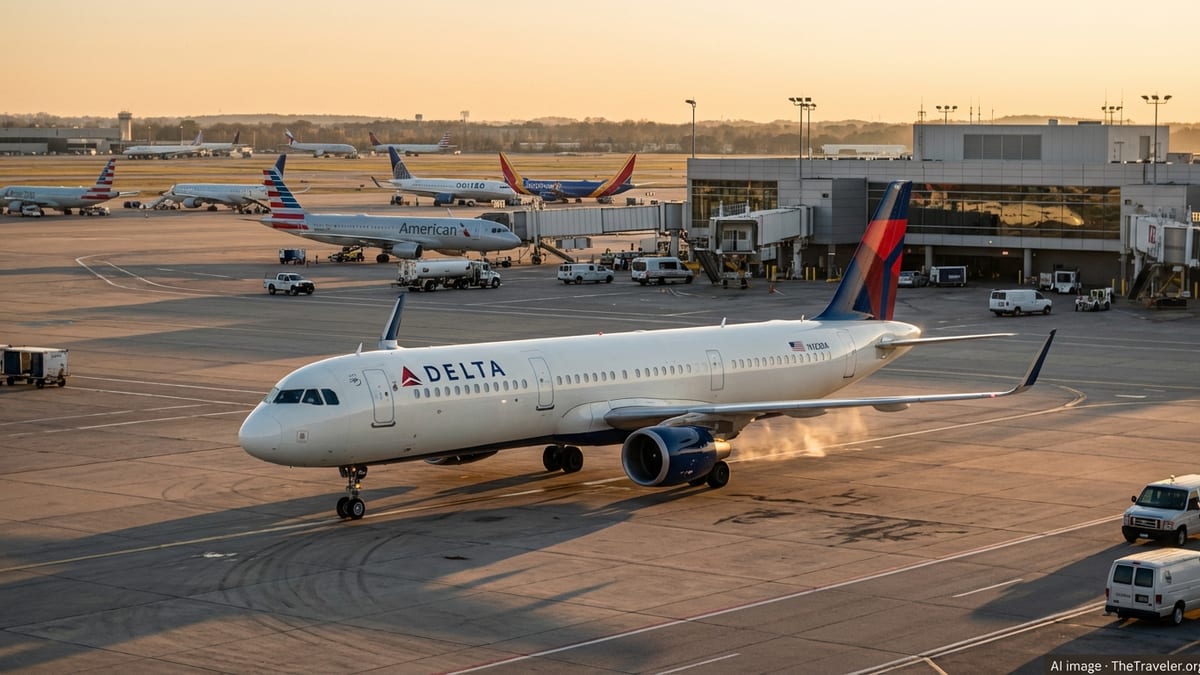
Delta Air Lines has strengthened the United States’ position at the forefront of global aviation fleet renewal with an order for 34 additional Airbus A321neo aircraft, a move that deepens the carrier’s bet on fuel-efficient, premium-heavy jets to power its growth into the next decade.
Fresh Order Extends Long-Term Fleet Expansion
Announced on February 27, 2026, the latest order sees Delta exercise options for 34 Airbus A321neo aircraft as part of a sweeping narrowbody renewal plan. Deliveries from this batch are scheduled to begin in 2029, positioning the airline for continued capacity growth well into the 2030s.
With this transaction, Delta’s total A321neo commitment rises to 189 aircraft, combining jets already flying, firm orders and the newly converted options. The A321neo is now set to become the largest single fleet type in Delta’s history, underscoring how central the model has become to the airline’s domestic and short-haul international strategy.
The new order also reflects broader US market dynamics, with major carriers racing to lock in delivery slots for next-generation single-aisle aircraft amid strong travel demand and constrained production capacity at the world’s two big planemakers. Delta’s move signals confidence in sustained demand for higher-yield travel across the United States and key nearby markets.
For Airbus, the deal reinforces the A321neo’s status as a workhorse of US aviation, with American, Delta and other operators relying heavily on the type to replace aging fleets and cut per-seat operating costs.
Efficiency, Sustainability and Cost Discipline
Delta describes the A321neo as an exceptionally efficient aircraft that is materially more economical than the older narrowbodies it is replacing. The jet is estimated to deliver roughly 20 to 30 percent better fuel efficiency compared with previous-generation models, a gap that translates directly into lower operating costs and reduced emissions on high-frequency routes.
The upgraded narrowbody is central to the carrier’s sustainability roadmap, as aviation faces intensifying pressure in the United States and abroad to curb carbon output. By shifting more flying onto the A321neo, Delta aims to achieve meaningful reductions in fuel burn per seat while preserving network breadth across its domestic hubs and transborder markets.
All newly ordered aircraft will be powered by Pratt & Whitney geared turbofan engines. Beyond the efficiency gains, that choice supports Delta’s growing maintenance, repair and overhaul business, as the airline’s TechOps division in Atlanta has developed dedicated capabilities for supporting this engine family.
Cost discipline is another key driver. Delta says the A321neo offers the lowest unit cost of any narrowbody in its fleet, a critical advantage in a market where fuel price volatility and competitive fare pressure can quickly erode margins. High-gauge layouts, combined with newer engines and advanced aerodynamics, allow the carrier to spread costs across more seats while still improving the onboard experience.
Premium Seats at the Heart of US Market Strategy
The A321neo order is tightly intertwined with Delta’s premium growth strategy, particularly in the lucrative US domestic market. The type carries more first class and extra-legroom seats than any other narrowbody in the airline’s fleet, giving Delta room to capture strong demand from business travelers and affluent leisure passengers.
Recent product moves, including a dedicated premium subfleet of A321neos for key US transcontinental routes, underscore the airline’s focus on higher-yield cabins. On those aircraft, Delta has experimented with expanded first class and premium seating configurations tailored to competitive corridors linking hubs such as Atlanta with major West Coast cities.
Across the broader fleet, Delta reports that the A321neo has generated some of the highest customer satisfaction scores among its single-aisle jets, helped by quieter cabins, modern interiors and improved inflight connectivity. The new order will allow the carrier to roll that product more widely across US and near-international routes where customer expectations for comfort and amenities are rising.
As domestic capacity across the United States continues to grow, airlines are increasingly differentiating on product rather than price alone. Delta’s decision to double down on a premium-heavy narrowbody platform reflects its belief that travelers will continue to pay for extra comfort, flexibility and service.
Part of a Wider US Long-Haul and Narrowbody Renewal Wave
The 34-jet A321neo deal is just one pillar of a broader fleet renewal campaign that is reshaping Delta’s role in the global aviation landscape. In January, the airline confirmed its first order for Boeing 787-10 aircraft and followed that with a fresh commitment to 31 additional Airbus widebodies, including A330-900 and A350-900 jets slated to arrive from 2029.
Together, these moves highlight how US carriers are simultaneously upgrading their domestic and long-haul fleets to balance efficiency gains with network growth. For Delta, the A321neo will shoulder much of the shorter flying, freeing up widebodies to focus on expanding transatlantic, transpacific and other long-range markets from major US hubs.
The combined pipeline leaves Delta with more than 200 narrowbody and over 80 widebody aircraft on order, a scale that underlines the United States’ central role in driving global aircraft demand. As production slots at Airbus and Boeing remain heavily booked, early and repeated commitments such as Delta’s are likely to influence competitive dynamics among US carriers for years to come.
For travelers, the strategy signals a gradual shift away from older, less efficient jets toward quieter cabins with more premium seating and upgraded onboard technology. While delivery schedules extend into the next decade, the direction of travel is clear: Delta and other US airlines are betting heavily that next-generation aircraft like the A321neo will define the passenger experience well beyond 2030.
Implications for US Airports and Travelers
The expanded A321neo fleet will have tangible effects across Delta’s US network, from large coastal gateways to fast-growing inland cities. The aircraft’s combination of range and capacity makes it well suited to link primary hubs with both major business markets and secondary destinations that can support higher seat counts when paired with improved economics.
Airports in key US regions can expect more consistent scheduling with newer aircraft as deliveries ramp up, as Delta phases out older narrowbodies that are costlier to maintain and operate. For airport authorities, a higher share of next-generation jets also brings benefits such as reduced noise footprints and lower local emissions, factors that increasingly shape community relations and expansion plans.
For passengers, the A321neo rollout should translate into a more standardized onboard product, including enhanced inflight entertainment, better connectivity and expanded access to extra-legroom and first class seating. While specific route deployments for the newly ordered aircraft will not be finalized until closer to their 2029 arrival, Delta has been clear that premium demand in the US market will guide where the jets are placed.
As Delta’s order book grows, the message is that competition in US skies will hinge not just on how many seats airlines offer, but on the quality and efficiency of the aircraft they deploy. With its latest A321neo order, Delta is signaling that it intends to remain at the forefront of that transition.