

More news on this day
At Delta Air Lines’ busiest hub, some travelers say the line to enter the airline’s premium Sky Club lounges is now slower than getting through federal security checkpoints, underscoring how crowding and evolving access rules are reshaping the experience of flying in 2026.
Get the latest news straight to your inbox!
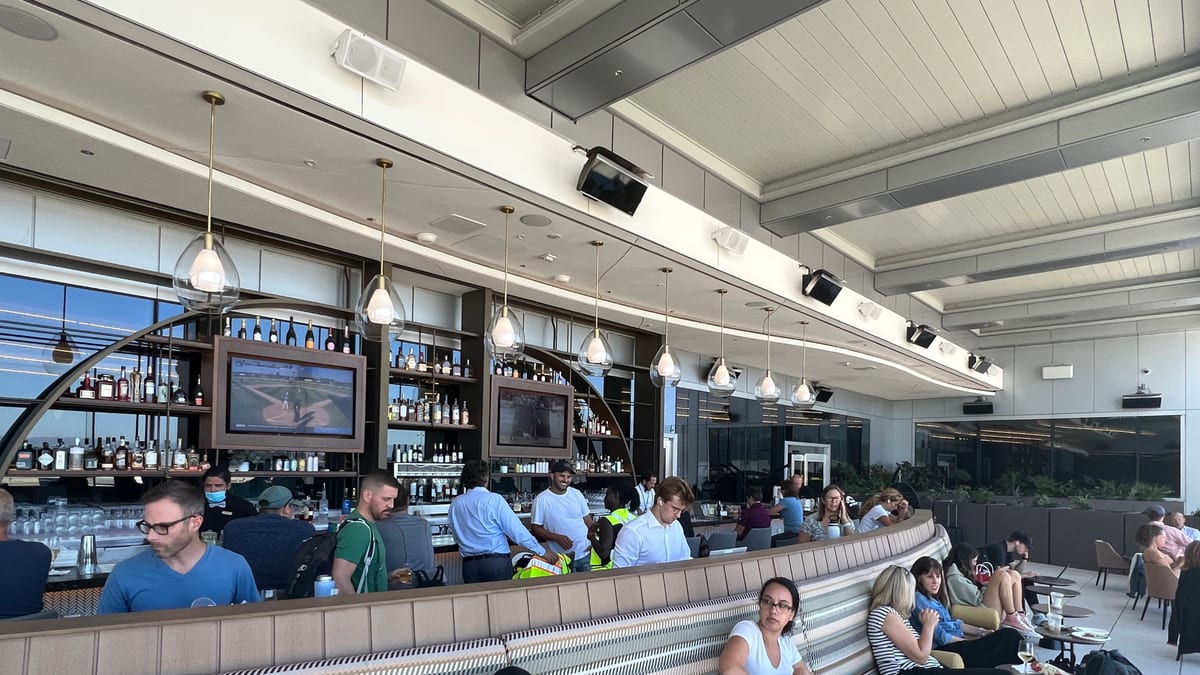
Image by TheTravel
Sky Club Crowds Collide With a National Airport Crunch
Across the United States, major airports are wrestling with an early spring travel surge and a federal staffing squeeze that has lengthened Transportation Security Administration lines at some checkpoints. Yet at Delta’s primary hub in Atlanta and at other key airports, frequent flyers now report something unexpected. Once they clear TSA in a reasonable time, they can face an even longer wait just to enter a Sky Club.
Recent social media posts and forum discussions from Delta customers describe scenes of passengers snaking through long queues outside Sky Club doors, particularly during early morning and late afternoon peaks. In some cases, travelers say they spent 20 minutes or more in a lounge line while nearby security checkpoints were moving comparatively quickly, reversing the traditional assumption that TSA would be the main choke point.
The trend highlights a collision of two forces. On one side, national coverage points to uneven security conditions, with airports in cities such as Houston, New Orleans and others experiencing severe TSA delays during the ongoing Department of Homeland Security shutdown and staffing shortages. On the other side, hubs with more stable checkpoint operations are now seeing the strain shift inside the terminal, where airline lounges, including Delta’s Sky Clubs, struggle to keep pace with rising passenger volumes and robust premium-card enrollment.
For Delta, the pressure is magnified by the scale of its operation in Atlanta, which is widely reported as both the world’s busiest airport and the airline’s largest hub. With thousands of eligible customers transiting each hour, even modest surges in demand can translate into visibly long lines outside lounges marketed as a calm alternative to crowded gate areas.
Atlanta in Focus as Sky Club Network Expands
Delta has steadily invested in its Sky Club footprint at Hartsfield Jackson Atlanta International Airport, adding locations and refreshing existing spaces in recent years. The airline opened an eighth Sky Club in Atlanta in 2025 and has outlined additional lounge upgrades and relocations across its system through the latter half of the decade. Company materials describe Atlanta as one of the most fully built out Sky Club networks in the country, spanning multiple concourses.
Even with that expansion, however, customer reports suggest demand for lounge access is outstripping supply during peak periods. Flyers transiting Atlanta in March describe Sky Club queues that loop through concourse corridors, with gate agents periodically managing entry to avoid overcrowding inside. Some travelers contrast that experience with their time at smaller Delta stations or non hub airports where Sky Clubs remain busy but rarely require a wait to enter.
Published guides to Atlanta’s Delta lounges typically advise that early morning hours between roughly 6 a.m. and 9 a.m. and late afternoon bank times see the heaviest traffic, driven by business travelers and banked connecting waves. Recent anecdotal accounts align with that pattern. Travelers arriving outside those windows often report minimal delays at Sky Club doors, while those trying to enter around dawn or early evening can encounter lengthy hold lines despite holding premium credit cards or elite frequent flyer status.
Delta’s broader lounge strategy also plays a role. The carrier has announced plans for a dedicated Delta One branded lounge in Atlanta later in the decade, which analysts say could siphon some premium long haul demand away from existing Sky Clubs. Until that facility opens, however, the entire mix of business class travelers, high tier Medallion members and co branded cardholders continues to funnel into the same set of clubs, intensifying crowding at a time when passenger expectations for comfort and exclusivity remain high.
Credit Cards, Access Rules and Unintended Consequences
Industry observers point to the rapid growth of co branded credit cards and premium travel rewards as a central driver of lounge crowding. Over the past decade, Delta’s partnership with a major card issuer has significantly increased the number of customers with Sky Club access via annual fees rather than traditional business class tickets or elite status. Publicly available financial disclosures and previous earnings commentary suggest these partnerships generate substantial revenue for airlines, creating powerful incentives to keep benefits attractive.
As more travelers qualify for lounge entry, airlines have experimented with new rules to manage demand. For Delta, this has included limiting the number of annual Sky Club visits for certain cardholders, narrowing same day access windows and tightening guest privileges. While those changes were introduced to reduce congestion, recent traveler reports indicate that visible lines at hub locations persist, suggesting that access caps alone have not fully resolved the imbalance between capacity and demand.
Frequent flyers discussing their recent experiences often frame the situation as an unintended consequence of the broader premiumization of air travel. Lounges that once felt niche now resemble busy food halls during peak hours, and the process of waiting in a long hallway line to enter a space marketed as exclusive can feel jarring. Some passengers say they are re evaluating whether high annual card fees are worth paying when entry is no longer guaranteed on a walk up basis.
Travel writers and analysts also note that lounge crowding is not unique to Delta. Competing carriers and independent clubs have encountered similar access challenges as travel rebounds and loyalty programs increasingly emphasize aspirational benefits. However, Delta’s dominant position in Atlanta and other major hubs means that its Sky Club bottlenecks are often more visible, becoming part of a broader conversation about what premium travel should look like in a post pandemic, high demand environment.
When the Lounge Line Outlasts TSA
The most pointed comparisons from travelers center on days when Sky Club lines appear to outlast TSA waits in the same terminal. Recent coverage of the national security situation shows dramatic disparities from airport to airport. Some hubs, particularly in Texas and the Gulf Coast, have recorded general screening waits approaching several hours on certain days. Others, including some large connecting centers, have seen checkpoints move relatively smoothly at off peak times, with reported waits in the range of 10 to 20 minutes.
It is at those more manageable checkpoints that the contrast with lounge entry becomes stark. Flyers posting from Delta hubs describe clearing security faster than expected, only to find themselves in a lengthy, slow moving Sky Club queue that can consume the remainder of their pre flight buffer. A few recount opting to skip the lounge entirely and sit at a traditional gate or restaurant rather than risk cutting it too close for boarding.
Travel advisors say this reversal could change how some passengers budget their time at the airport. Where conventional wisdom once dictated arriving early primarily to clear TSA, some frequent flyers now factor in an additional margin for potential lounge delays, especially at airports like Atlanta where Sky Clubs are heavily used by connecting traffic. Others are experimenting with alternative spaces, such as rival airline lounges accessible through membership programs or newer independent clubs that so far see lighter traffic.
The mismatch between expectations and reality is particularly acute for travelers who purchased premium cabin tickets or high tier loyalty benefits, expecting frictionless access to quieter spaces. When the lounge line becomes the longest queue of the journey, the perceived value of those products can erode, feeding a growing debate about whether the industry’s current model of broad, card based lounge access is sustainable in the long term.
What Passengers Can Do Right Now
With national security conditions in flux and airlines still calibrating lounge policies, there is no single fix for passengers frustrated by long Sky Club lines. Travel experts instead recommend a series of pragmatic adjustments. One common tip is to research typical crowding patterns at specific hubs. Publicly available guides and traveler reports often note which concourses host the busiest lounges and which smaller or newer locations may offer shorter waits.
Another frequently cited strategy is to stagger arrival times to avoid the heaviest peaks. At Atlanta and other Delta hubs, mid morning and mid afternoon often prove less congested than the first waves of departures before 9 a.m. or the evening rush. Passengers with flexible schedules may find that shifting to slightly later or earlier flights can reduce both TSA and lounge delays, particularly when connecting through hubs with multiple Sky Clubs.
Travel coverage also emphasizes the importance of real time information. Tools that display current TSA wait times can help travelers decide whether to head straight to security or pause landside, while on the airside, a quick walk to check more than one lounge can sometimes reveal a nearby Sky Club with a much shorter entry line. In multi concourse hubs, passengers on longer layovers may benefit from leaving the busiest clubhouse near their gate in favor of a quieter option a short train ride away.
For Delta, the current moment serves as a stress test of its investment in premium ground experiences. The airline has signaled additional lounge expansions and new concepts in the years ahead, particularly at Atlanta. Whether those projects are enough to keep future Sky Club lines shorter than TSA waits remains to be seen, but the experience of early 2026 suggests that access management, not just amenities, will define how travelers judge the next generation of airport lounges.