

More news on this day
Delta Air Lines is urging Easter holiday travelers using its Atlanta and Detroit hubs to brace for potential disruptions, as the carrier once again emerges among the U.S. leaders in flight cancellations and delays over a peak travel period.
Get the latest news straight to your inbox!
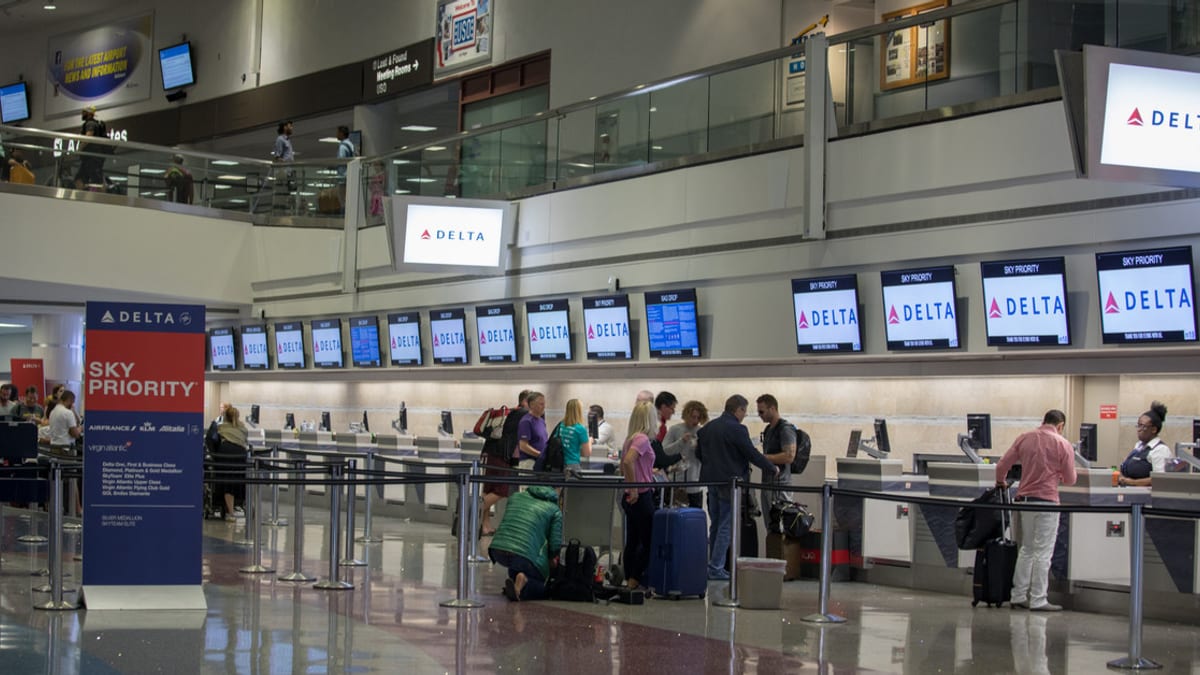
Stormy Easter Weekend Pushes Delta Cancellations Higher
Severe spring storms combined with one of the busiest Easter travel periods in recent years have put fresh pressure on Delta’s network. Publicly available tracking data for the holiday weekend indicate thousands of delays and more than 2,000 cancellations nationwide, with Delta among the hardest hit large carriers. Weather systems sweeping across the Midwest and Southeast have repeatedly slowed departures and arrivals at key hubs.
Hartsfield Jackson Atlanta International Airport, Delta’s largest hub, has seen hundreds of weather related delays as thunderstorms and low visibility slowed air traffic. While some reports suggest that competing hubs in other regions recorded even higher cancellation percentages, Delta’s sheer volume of flights through Atlanta means that any operational wobble quickly ripples across the country, affecting connections on both domestic and international routes.
On Easter Monday, monitoring services tracking North American operations reported that Delta led all airlines in cancellations, with dozens of flights scrapped as the carrier worked through residual storm impacts and the tail end of the long weekend rush. The majority of those cancellations were tied to its core hubs, where aircraft and crews were out of position following earlier delays.
Travel industry analysts note that this pattern is consistent with recent peak travel periods. As airlines run tighter schedules to maximize aircraft utilization, even short lived weather disruptions can take an outsized toll, particularly on network carriers that rely heavily on a hub and spoke model.
Warnings Focus on Atlanta and Detroit Holiday Crowds
According to published coverage and flight board snapshots, Delta’s messaging ahead of the Easter rush concentrated on its two most critical U.S. hubs for the period: Atlanta and Detroit Metropolitan Wayne County Airport. Both airports sit near active storm tracks and handle heavy connecting traffic for the airline, making them especially vulnerable when weather and high demand converge.
Detroit, in particular, has seen repeated strain during recent winter and spring systems. Previous ground stops and snow related slowdowns at the airport have shown how quickly operations can snarl when deicing needs, runway conditions and air traffic control restrictions collide. Over the Easter weekend, publicly available information shows that Detroit again registered elevated levels of delays and cancellations relative to a typical spring Monday.
Atlanta’s experience has been more mixed. While the airport is frequently highlighted for congestion and weather related hold ups, some data sets for this Easter period show that its cancellation rate remained lower than at certain northern and Midwestern hubs, even as hundreds of departures were delayed. For travelers, however, the distinction between a delay and a cancellation can blur once missed connections and rebookings come into play, amplifying the practical impact of any schedule disruption.
The emphasis on Atlanta and Detroit reflects Delta’s broader network exposure. With large numbers of connecting passengers funneled through these hubs at Easter, operational issues at either location can strand travelers far from the original source of disruption, including those starting journeys at smaller regional airports.
Minneapolis St. Paul Emerges as a Secondary Trouble Spot
Beyond Atlanta and Detroit, Minneapolis St. Paul International Airport has also emerged as a significant pinch point for Delta during recent weeks. Travel industry reports from late March and early April describe days when the airport logged over 150 delays and more than a dozen cancellations in a single 24 hour period, with Delta flights accounting for the majority of the scrapped services and a substantial share of the delays.
Those numbers place Minneapolis among the more affected U.S. airports on several recent days of unsettled weather. The disruptions have extended to flights across the United States and to long haul destinations in Europe, Asia and Latin America, as widebody aircraft and flight crews struggled to remain on schedule amid repeated weather holds and air traffic constraints.
While Minneapolis is not at the center of Delta’s Easter specific warnings, its role as a major northern hub means that instability there can compound the challenges the airline faces in Detroit and Atlanta. When storms sweep across the upper Midwest and Great Lakes region, simultaneous disruptions at Minneapolis and Detroit can leave few clean rerouting options for passengers trying to reach or connect through the East Coast.
Operational summaries suggest that on several recent days, Delta and its regional partners recorded more delays than cancellations at Minneapolis, mirroring the broader national pattern for this holiday period. Even so, high delay volumes can produce missed connections that ultimately require rebooking, hotel stays and schedule changes similar to a formal cancellation.
Delta’s Recent Disruption History Heightens Scrutiny
The latest Easter travel warning lands against the backdrop of heightened scrutiny of Delta’s reliability. The airline is still associated in the public mind with the major operational breakdown that followed the CrowdStrike related outage in July 2024, when thousands of flights were canceled over multiple days and passengers reported long waits for rebooking and support.
Although the current Easter period disruption is far smaller in scale, comparisons to past meltdowns have resurfaced in online travel forums and social media posts. Travelers have shared accounts of long lines at customer service desks, difficulties reaching call center agents and limited short term rebooking options on already full holiday flights, echoing frustration voiced during previous high profile interruptions.
Industry data also show that winter and early spring 2026 have been marked by several days on which Delta featured prominently among the top U.S. carriers for cancellations and delays. Recent reporting has highlighted specific dates where Delta and its regional affiliates canceled more flights than some competitors, including during storms that hit northern hubs and key connecting airports.
Analysts note that these episodes do not negate Delta’s overall record on punctuality, which has often been strong relative to peers. However, the recurrence of highly visible disruption clusters, especially on holiday weekends, has raised questions about whether the airline’s contingency planning and staffing levels are sufficiently robust for peak demand combined with volatile weather.
What Easter Travelers Are Being Urged to Do
Publicly available guidance from airlines, airports and travel experts for this Easter travel window underscores a familiar set of recommendations, now framed as particularly important for those flying on Delta through Atlanta, Detroit or other busy hubs. Travelers are being urged to monitor their flight status frequently through airline apps and airport information screens, since same day schedule changes remain common while airlines work to rebalance fleets and crews.
Reports also emphasize the value of building extra time into itineraries, especially for connections. With airport congestion and weather related flow restrictions still affecting key corridors, shorter layovers that might work during off peak seasons can become risky during a stressed holiday period. Some advisers suggest that travelers who have not yet booked should prefer longer connection windows or consider point to point routes that bypass the most disrupted hubs.
Consumer information from regulators reiterates that passengers are entitled to refunds when a flight is canceled and the traveler chooses not to be rebooked. For those who continue their journey on a later service, airlines typically offer rebooking at no additional fare cost when the disruption is within the carrier’s control, although hotel and meal assistance varies by company policy and the cause of the delay or cancellation.
For Delta customers specifically, travel specialists recommend preparing backup plans for critical trips over the Easter period, such as identifying alternative routings, checking availability on later flights and saving digital copies of confirmation emails and boarding passes. With Atlanta, Detroit and Minneapolis all experiencing intermittent strain, flexibility and real time information remain the most valuable tools for navigating a holiday weekend in which the country’s second largest carrier is again prominent in the cancellation tables.