

More news on this day
Denver International Airport experienced significant gridlock as at least 175 flights were delayed and several others canceled in a single day, disrupting travel plans for hundreds of passengers across the United States.
Get the latest news straight to your inbox!
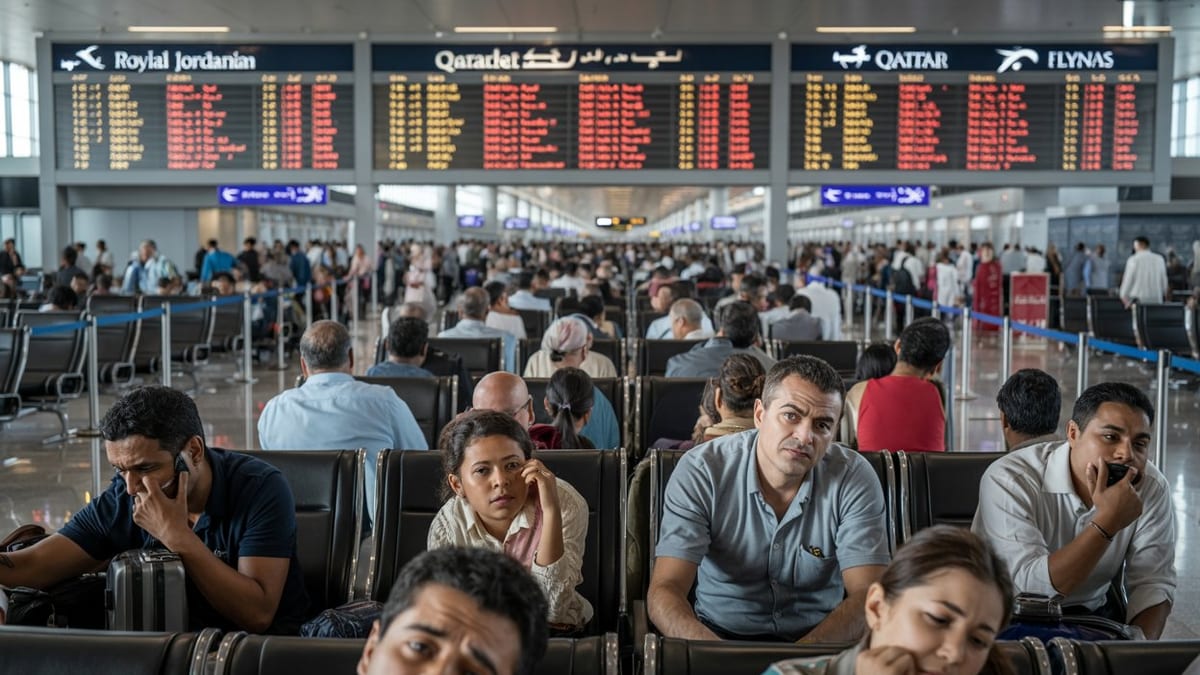
Heavy Disruptions at a Key U.S. Hub
Denver International Airport, one of the nation’s busiest connecting hubs, saw operations slow sharply as an accumulation of delays rippled through its schedule. Publicly available tracking data indicated that at least 175 flights were delayed and multiple services canceled over the course of the day, affecting both departing and arriving traffic.
The disruption occurred on a day already marked by broader strain across the U.S. air network, with national reports describing a form of aviation “gridlock” as weather and operational challenges converged on several major hubs. Denver’s role as a central connection point for transcontinental and regional flights amplified the impact of each delayed departure or arrival.
While the number of outright cancellations at Denver remained comparatively small relative to the delays, the imbalance created a backlog of aircraft and passengers. The result was a cascade of late departures, extended ground times, and missed onward connections as airlines attempted to work through crowded departure boards.
Photographs and videos shared on social platforms showed long queues at gate areas and departure boards heavily populated with orange and red delay notices. Travelers reported extended waits both at security checkpoints and at gates as flights repeatedly shifted to later departure times.
Weather, Network Strain and Operational Knock-on Effects
According to published coverage, the situation in Denver unfolded against a backdrop of severe weather and regional flooding in parts of the country, which had already triggered extensive delays at other major airports. When upwind hubs experience constraints, Denver often absorbs the impact as delayed inbound flights arrive late and push back scheduled departures.
Industry analysis frequently highlights Denver’s vulnerability to compounding disruption because of its dual role as both an origin-destination airport and a central connection point for multiple large carriers. When storms, ground-delay programs or traffic-management initiatives constrain arrivals elsewhere, the knock-on effects can rapidly fill Denver’s ramps with late aircraft waiting for gates or crew.
The latest gridlock reflects these systemic pressures. With national aviation data showing thousands of delays across the United States on the same day, Denver’s 175 delayed flights represent just one node in a larger pattern of strain on the air travel system. Each delay in Denver fed into the broader network, as aircraft scheduled to operate onward legs departed late from Colorado and arrived late at subsequent destinations.
Operational challenges within the airport itself can further complicate recovery. Denver has previously contended with mechanical issues on its internal train system and periods of extended security lines, factors that can slow the flow of passengers between concourses and onto aircraft even when planes and crews are available.
Impact on Travelers and Airlines
For travelers, the raw statistics of 175 delayed flights and a handful of cancellations translated into hours of uncertainty and rearranged itineraries. Passengers posting on travel and aviation forums described missed weddings, postponed work meetings, and disrupted vacations as connection windows closed and backup options filled quickly.
Airlines operating through Denver faced the complex task of rebalancing schedules in real time. When a hub experiences gridlock, carriers must decide whether to hold departing flights for late-connecting passengers, reassign aircraft to cover the most time-sensitive routes, or consolidate services where demand allows. Each choice can alleviate pressure for some travelers while extending delays for others.
Publicly available guidance from airline and airport information sources urged passengers to monitor their flight status closely, arrive early where possible, and consider rebooking if their itinerary relied on tight connection times. Some travelers reported that same-day alternatives were limited once the day’s disruptions became apparent, leaving them to wait for late-night departures or flights the following morning.
For those already on board delayed aircraft, the gridlock created additional frustration as planes waited on the tarmac for departure slots or for connecting passengers to arrive from other late flights. In some cases, flights pushed back from the gate only to remain in long queues for takeoff.
Broader Questions About Capacity and Resilience
The latest episode at Denver is likely to renew discussion about the airport’s capacity and the resilience of the wider U.S. aviation system. Previous periods of disruption at the airport, including technology outages and mechanical failures affecting passenger transport within the terminal, have highlighted how quickly operations can slow when a single link in the chain falters.
Analysts frequently point to the intersection of strong passenger demand, airline hub strategies, and infrastructure constraints as a key driver of gridlock at major airports. Denver’s rapid growth in recent years, combined with tight schedules and busy peak banks of connecting flights, means that even short-lived issues in the national airspace system can cascade into hours of unsettled operations.
Weather remains an unavoidable factor. Reports indicate that the same system contributing to Denver’s operational problems also affected airports in Chicago, Boston and other cities, stretching air traffic control resources and forcing airlines to maneuver around storms. When multiple hubs are constrained simultaneously, recovery can extend well beyond the day of the initial disruption.
Travel advocates often recommend that passengers build longer buffers into their itineraries during seasons prone to storms or heavy travel demand. The events in Denver illustrate how quickly a single day of gridlock can upend tightly timed connections, especially for travelers crossing multiple time zones or relying on the last flights of the evening.
What Passengers Can Do Next
For those still navigating the aftermath of the Denver delays, publicly available consumer guidance emphasizes a few practical steps. Travelers are encouraged to use airline apps and airport information displays to track changes in departure times, gate assignments and connection options as they occur.
Many carriers provide same-day change options or fee waivers during widespread disruption, though the specifics vary by airline and fare type. Passengers stranded overnight may be able to request accommodation or meal support, particularly when delays are tied to controllable operational factors rather than severe weather, but policies differ and are often evaluated case by case.
Travel planners suggest that, once immediate travel needs are resolved, passengers document their delays, keep receipts for unexpected expenses, and review both airline policies and travel insurance coverage for potential reimbursement. While not every delay is compensable, detailed records can be valuable when submitting claims.
As Denver works through the backlog and schedules begin to realign, attention is likely to turn to how airlines and the airport can reduce the risk of similar gridlock in future peak periods. The day’s 175 delayed flights underscore how sensitive modern hub operations are to stress and how quickly disruption at a single airport can ripple across the national travel map.