

More news on this day
Travelers across the United States faced another day of disrupted plans as Denver International Airport recorded 323 delayed departures and 15 flight cancellations, snarling operations for Southwest, SkyWest, United and other carriers on routes touching Chicago, Atlanta, Los Angeles and additional major hubs.
Get the latest news straight to your inbox!
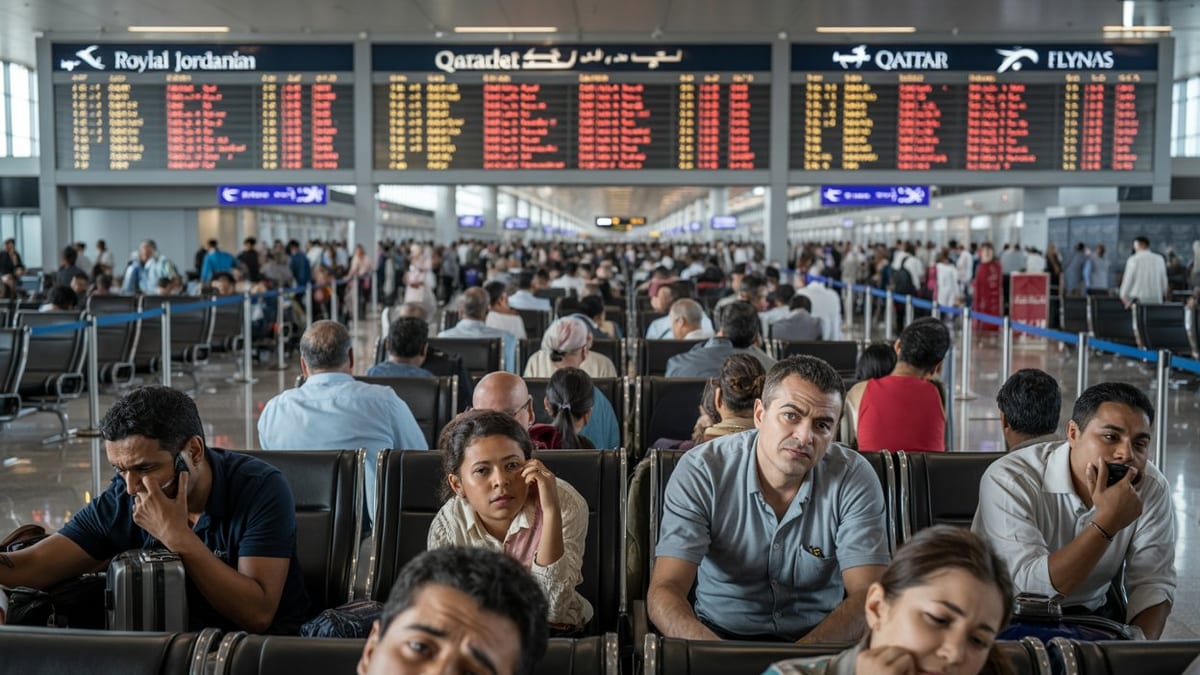
Denver Becomes a Focal Point in a Wider Day of U.S. Flight Disruption
The latest figures from publicly available flight tracking dashboards on April 3 indicate that Denver International was among the hardest hit large airports, with 323 delays and 15 cancellations logged across its schedule. Those numbers placed Denver within a broader nationwide pattern that saw thousands of flights arrive late, even where outright cancellations remained relatively limited compared with severe winter storm events earlier in the year.
Widely used aviation data platforms show that Denver’s disruption formed part of a larger national picture in which more than 3,500 flights were delayed and several hundred canceled across the United States on the same day. Reports indicate that congestion built through the afternoon and evening as rolling delays on early departures left aircraft and crews out of position, complicating recovery efforts.
Operational summaries in recent weeks have highlighted how closely Denver’s performance is tied to conditions in the broader network. As a key connecting point for both transcontinental and regional services, disruption at Denver can quickly generate knock on effects for travelers who never set foot in Colorado but rely on the airport as a through point between smaller cities and major coastal gateways.
Southwest, SkyWest and United Among Most Affected Carriers
Publicly available information on carrier level performance shows that Southwest Airlines, SkyWest Airlines and United Airlines were all significantly impacted by the latest round of delays at Denver. Southwest and United each operate substantial networks through the airport, while SkyWest runs regional services for multiple major brands, amplifying the visibility of disruptions to passengers across several booking channels.
Separate coverage of the broader April 3 disruption wave across U.S. airports notes that Southwest has been one of the hardest hit airlines during recent high traffic days, with hundreds of delayed flights at major bases including Chicago, New York and Los Angeles. When Denver joins that list on a busy travel day, the combination of affected departures can leave passengers with limited rebooking options on short notice.
United’s interconnected hub structure has also proven vulnerable to compounding delays. Analyses of recent high impact days show that when United’s departures from core hubs such as Denver, Chicago O’Hare and Los Angeles start running behind schedule, the ripple effects can stretch across the carrier’s domestic and international network. Missed connections, rolling gate changes and aircraft substitutions become more common as airlines work to keep as many flights operating as possible.
For SkyWest, which flies under the banners of several larger airlines, disruptions at Denver can appear to passengers as problems with their mainline carriers, even though the regional operator sits in the background. This structure can create additional confusion at crowded customer service desks when travelers attempt to determine which company can assist with rebooking or hotel arrangements.
Chicago, Atlanta, Los Angeles and Other Hubs Feel the Shockwaves
Although Denver’s delay count stood out, passengers traveling through Chicago, Atlanta and Los Angeles also experienced the effects of the latest operational squeeze. Reports drawing on federal aviation updates describe how air traffic management initiatives have periodically slowed arrivals into high volume hubs such as Chicago O’Hare, Atlanta and Los Angeles when storms, high winds or congestion threaten to overwhelm local capacity.
On April 3, that pattern contributed to a chain reaction in which holding patterns, ground delay programs and temporary arrival rate reductions at major coastal and Midwestern airports interacted with weather sensitive operations at inland hubs. Publicly available data from earlier spring storms shows that when throughput is cut at key airports, late arriving aircraft and crews can cascade delays into the next day’s schedule even after weather has improved.
For travelers, the practical impact was felt in long lines at customer service counters, congested gate areas and limited same day options for reaching final destinations. Published coverage of recent disruption days has documented passengers in Chicago and Atlanta missing onward flights to the West Coast and Mountain West when connecting services through Denver departed late or were canceled outright.
Los Angeles, another key node for both transcontinental and Pacific routes, also recorded elevated delay levels as operational strain spread across carriers. With United, Southwest and SkyWest all maintaining a presence on routes that connect Denver and other interior hubs to Southern California, disruptions in either direction can complicate evening bank departures and red eye services.
Underlying Causes: Weather, Tight Schedules and Airspace Constraints
Analysts reviewing spring 2026 performance point to a combination of unsettled weather, dense schedules and national airspace constraints as drivers of the recent spate of delays at Denver and other major U.S. airports. Federal aviation bulletins in March highlighted periods when thunderstorms, strong winds and low visibility over parts of the South, Midwest and East Coast forced regulators to slow arrivals into some of the country’s busiest hubs.
When those conditions intersect with tight airline timetables and high aircraft utilization, the margin for recovery shrinks. Industry data and travel coverage note that early day disruptions at hub airports can quickly propagate across an airline’s network as aircraft miss their next rotations and crew duty limits trigger further schedule adjustments. Denver’s position near the center of many transcontinental routings means that delays there can have outsized effects on both eastbound and westbound traffic flows.
In addition, recent public descriptions of federal capacity management initiatives explain how national airspace constraints can impose delay programs even when local weather at a given airport appears manageable. From a passenger’s perspective, this can create frustration when a flight departing under clear skies is held on the ground or re timed due to conditions hundreds of miles away that affect the route structure and arrival patterns into other hubs.
What the Disruptions Mean for Travelers in the Coming Days
For passengers, the current pattern of disruptions at Denver and across the national network suggests that schedules may remain vulnerable to further knock on effects in the short term, particularly around peak travel windows. Industry observers often note that the aftermath of a major delay day can linger as airlines work through aircraft positioning issues and accommodate stranded travelers on subsequent departures.
Travel advocacy information widely available online emphasizes that U.S. passengers are generally entitled to a refund when a flight is canceled and they choose not to travel, regardless of the cause. However, policies regarding meal vouchers, hotel stays and rebooking priorities vary by airline, leaving many travelers to navigate carrier specific rules while coping with long waits at service counters or call centers.
Consumer guidance materials and recent news coverage consistently recommend that travelers monitor flight status frequently on days when national delay figures climb, arrive at the airport earlier than usual and avoid tight connections where possible. For those flying through Denver or other major hubs affected by the latest wave of disruptions, building additional buffer time into itineraries may prove the most practical way to reduce the risk of missed connections and extended layovers.